

What is Coal Coke Particle Pneumatic Conveying? An Introduction to the Working Principle of Powder H
Coal coke particle pneumatic conveying is a critical technology in the handling and transportation of bulk materials, particularly in industrial settings where efficiency and reliability are paramount. This method involves the use of air or other gases to transport solid particles, such as coal coke, through a pipeline system. The process is integral to modern powder handling systems, enabling seamless movement of materials from one location to another without the need for mechanical components like belts or buckets.
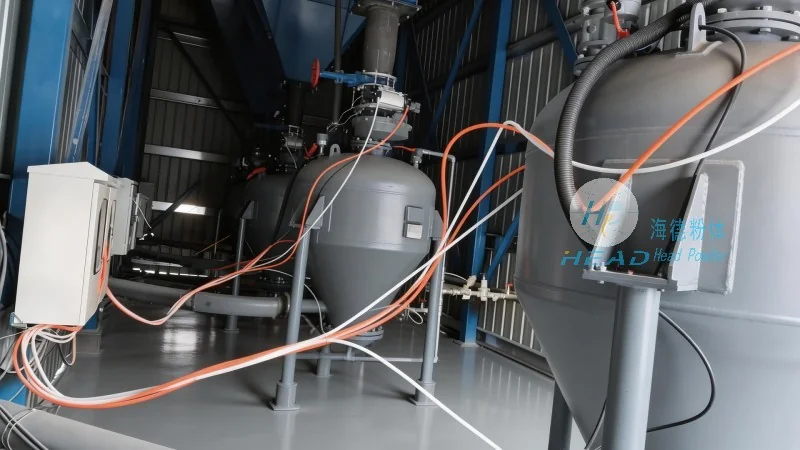
About HeadPowder: A Leading Provider of Powder Handling Solutions
HeadPowder, or Shandong HeadPowder Engineering Co., Ltd., is a prominent company based in Shandong, China, specializing in the design, manufacturing, and implementation of advanced powder handling systems. With a strong focus on innovation and customer satisfaction, HeadPowder has established itself as a trusted partner for industries requiring efficient material transport solutions. The company's expertise spans various applications, including the pneumatic conveying of coal coke and other bulk solids, ensuring that clients receive tailored systems that meet their specific operational needs.
Understanding Coal Coke Particle Pneumatic Conveying
Pneumatic conveying for coal coke particles relies on the principle of using air pressure to move solid materials. The system typically consists of a source of material, such as a hopper or silo, a conveyor line, and a receiver where the material is deposited. The process begins when the material is introduced into the system, often via a feeder that controls the flow rate. Air is then introduced into the pipeline, creating a flow that propels the coal coke particles forward. This method is particularly effective for materials that are difficult to handle mechanically, as it minimizes friction and reduces the risk of material degradation.
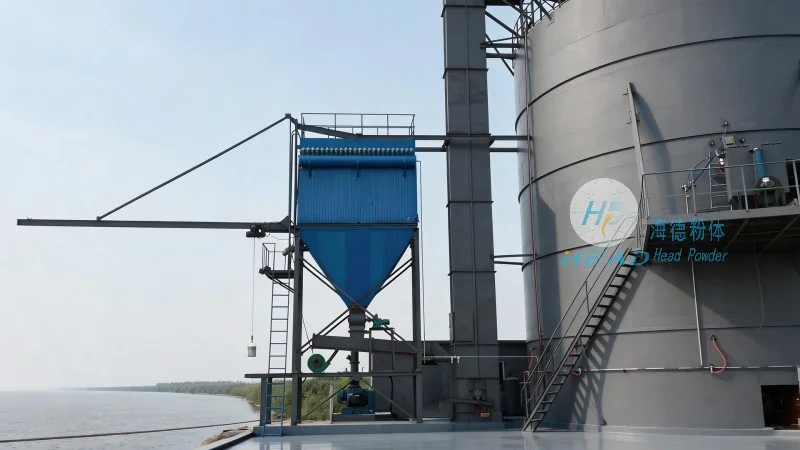
Key Components and Working Mechanism
The core components of a coal coke particle pneumatic conveying system include the material source, the conveying line, the air supply system, and the receiver. The material source, often a hopper or silo, stores the coal coke and feeds it into the system at a controlled rate. The conveying line, made of durable materials like stainless steel or plastic, is designed to withstand the pressure and abrasion from the particles. The air supply system, which may include a blower or compressor, generates the necessary airflow to move the material. The receiver, typically a hopper or storage tank, collects the material at the destination. The working mechanism involves the creation of a positive or negative pressure differential within the system. In positive pressure systems, air is forced through the pipeline, carrying the coal coke particles. In negative pressure systems, air is drawn out of the system, creating a vacuum that pulls the material. Both systems are effective, but the choice depends on the specific application and material characteristics.
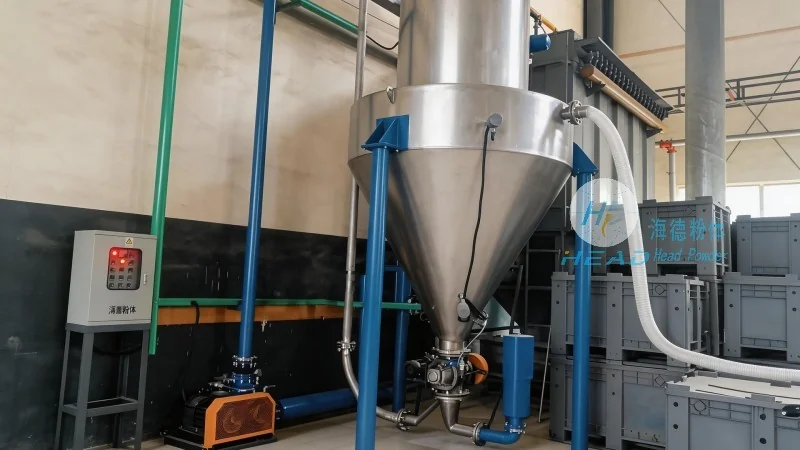
Advantages of Using Pneumatic Conveying for Coal Coke
Implementing pneumatic conveying for coal coke offers several advantages over traditional mechanical methods. One of the primary benefits is the reduction in material handling costs, as the system eliminates the need for labor-intensive processes like loading and unloading. Additionally, the method minimizes product contamination and degradation, as the material remains enclosed within the pipeline, preventing exposure to external elements. The system also allows for greater flexibility in material movement, as it can transport materials over long distances and through complex layouts. Furthermore, pneumatic conveying systems are generally more reliable and require less maintenance compared to mechanical systems, leading to lower operational costs over time.
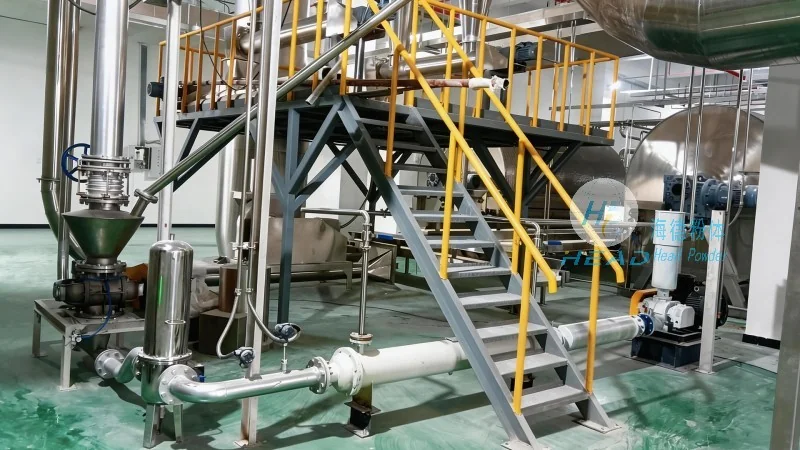
Applications and Industries
Coal coke particle pneumatic conveying is widely used in various industries, including steel production, chemical processing, and power generation. In steel mills, the system is crucial for transporting coal coke from storage facilities to blast furnaces, ensuring a continuous supply of raw material. In chemical plants, it facilitates the movement of coke from processing units to storage areas, maintaining operational efficiency. Power generation facilities also rely on this technology to transport coal coke to boilers, supporting the generation of electricity. The versatility of the system makes it suitable for a range of applications, from small-scale operations to large industrial plants.
Conclusion: The Role of HeadPowder in Pneumatic Conveying Solutions
As a leading provider of powder handling systems, HeadPowder plays a vital role in advancing the technology of coal coke particle pneumatic conveying. By leveraging their expertise and innovative solutions, the company helps industries improve their material transport processes, enhance operational efficiency, and reduce costs. With a strong presence in Shandong, China, HeadPowder continues to serve clients globally, providing reliable and efficient systems that meet the evolving needs of the industry. The company's commitment to quality and customer satisfaction ensures that clients receive tailored solutions that optimize their material handling operations.