

What is Sintered Dust Pneumatic Conveying? An Introduction to the Working Principle of Powder Handli
Pneumatic conveying is a critical technology in the handling of sintered dust, a fine particulate material commonly produced in industrial processes such as sintering. This method involves transporting the dust using a stream of air or other gas, creating a reliable and efficient system for moving materials from one location to another. For industries dealing with sintered dust, understanding the principles and applications of pneumatic conveying is essential for optimizing material flow and operational efficiency.
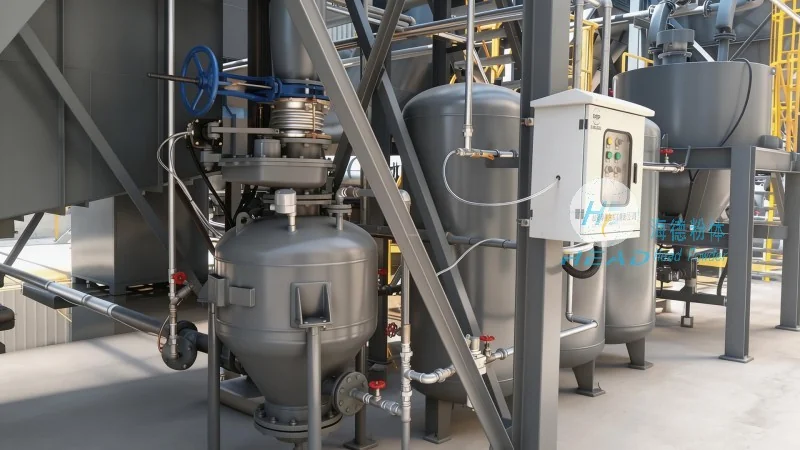
Understanding the Core Principle of Powder Handling Systems
The fundamental principle of pneumatic conveying for sintered dust is based on the use of air pressure to move particles. In a typical system, the sintered dust is introduced into a pipeline, where it is suspended and carried by the moving air. This process eliminates the need for mechanical components like belts or buckets, reducing maintenance and increasing safety. The system operates by creating a pressure differential between the inlet and outlet, ensuring consistent and controlled movement of the material.
Key Components and Their Roles in the Conveying Process
Several key components work together to ensure the effective operation of a sintered dust pneumatic conveying system. The primary components include the hopper or feeder, which feeds the dust into the system; the pipeline, which transports the material; the air compressor or blower, which provides the necessary air pressure; and the receiver or discharge point, where the material is collected. Each component plays a crucial role in maintaining the flow and preventing blockages or clogs. For example, the feeder ensures a steady supply of dust, while the compressor maintains the pressure required for efficient transport.
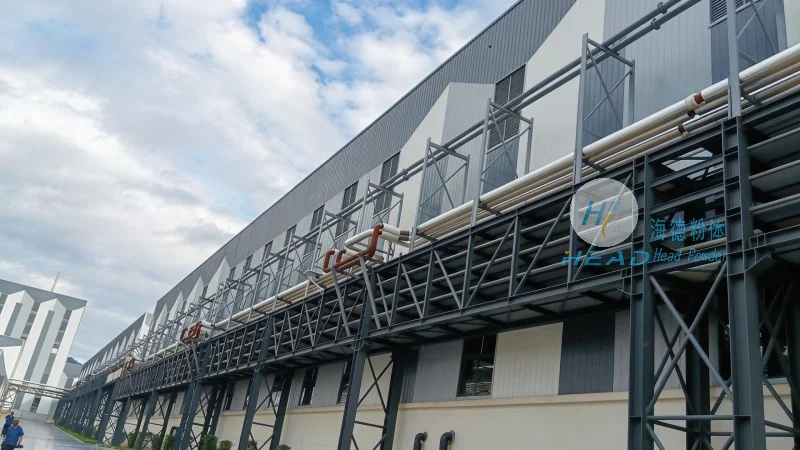
Advantages of Using Pneumatic Conveying for Sintered Dust
Compared to traditional methods like bucket elevators or screw conveyors, pneumatic conveying offers several advantages for handling sintered dust. One of the main benefits is the ability to transport materials over long distances without the need for multiple transfer points. This reduces the risk of material degradation and contamination, which is critical for sintered dust, as it can be sensitive to moisture and temperature changes. Additionally, pneumatic systems are more flexible in terms of layout, allowing for changes in the production line without major modifications. They also minimize dust exposure for operators, improving workplace safety.
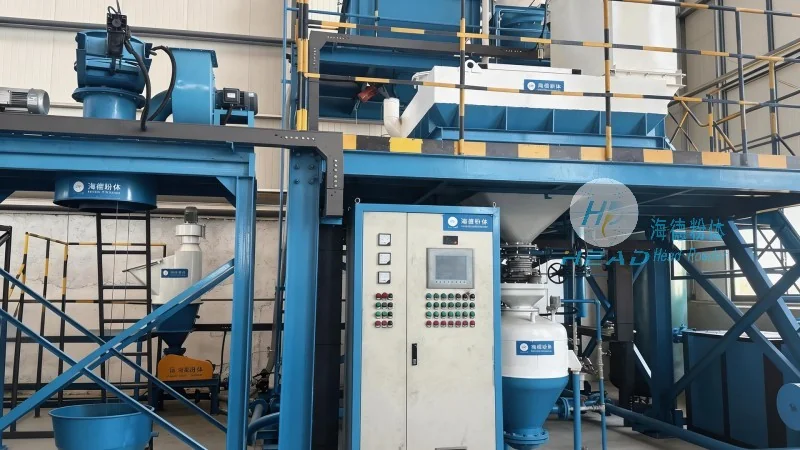
Applications and Industries Benefiting from This Technology
Sintered dust pneumatic conveying systems are widely used in various industries, including metallurgy, chemical processing, and food production. In metallurgy, these systems are used to transport sintered iron ore or other metal powders, which are essential for steel production. In chemical processing, they handle fine powders that require precise control over particle size and moisture content. The food industry also benefits from this technology, as it allows for the safe and hygienic transport of powdered ingredients without cross-contamination. These applications highlight the versatility and importance of pneumatic conveying in modern industrial operations.
About Shandong HeadPowder Engineering Co., Ltd.
Shandong HeadPowder Engineering Co., Ltd., commonly known as HeadPowder, is a leading provider of advanced powder handling solutions. With a focus on innovation and quality, the company specializes in designing and manufacturing pneumatic conveying systems tailored to the specific needs of its clients. HeadPowder's expertise lies in understanding the unique challenges of handling sintered dust and developing systems that ensure efficiency, reliability, and safety. The company's headquarters is located in Shandong, China, where it serves a global market with its cutting-edge technology and customer-centric approach.