

What is Corn Flour Pneumatic Conveying? An Introduction to the Working Principles of Powder Handling
Understanding the mechanics of pneumatic conveying systems, particularly when handling materials like corn flour, is crucial for industries that rely on efficient powder transport. This article delves into the fundamental principles of corn flour pneumatic conveying, offering insights into how such systems operate and why they are essential in modern powder handling applications.
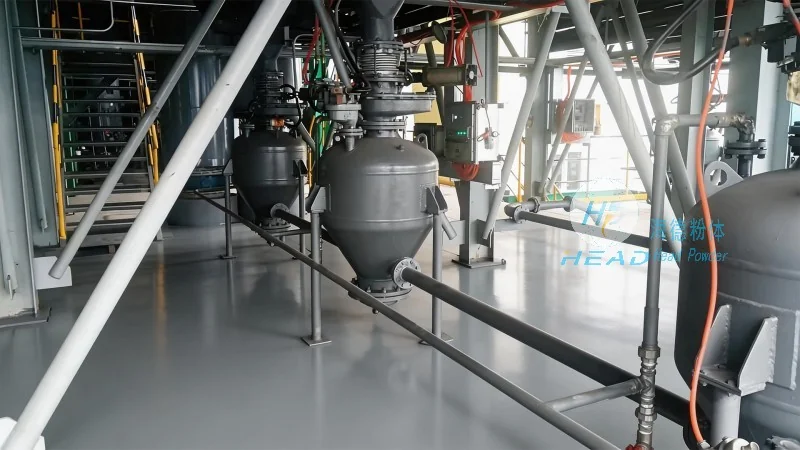
Introduction to Pneumatic Conveying Systems
Pneumatic conveying, or air-powered transport, is a method used to move bulk materials, including powders, granules, and fine particles, through a pipeline using pressurized or vacuum air. Unlike mechanical systems that rely on belts, screws, or buckets, pneumatic systems utilize air flow to propel material, making them ideal for applications requiring dust-free, low-maintenance, and flexible transport solutions. For industries dealing with sensitive materials like corn flour, which is commonly used in food processing, pharmaceuticals, and chemical manufacturing, the choice of an appropriate conveying system is paramount.
Corn Flour Characteristics and Handling Challenges
Corn flour, derived from corn (maize) and processed into a fine powder, presents unique handling challenges due to its fine particle size and hygroscopic nature. These characteristics can lead to issues such as caking, agglomeration, and increased dust generation during transport. Traditional mechanical conveyors may struggle with these challenges, as they can cause material degradation or contamination. Pneumatic conveying systems, however, are designed to mitigate these risks by maintaining a controlled environment and using air to gently move the material, preserving its quality and preventing degradation.
Working Principles of Corn Flour Pneumatic Conveying
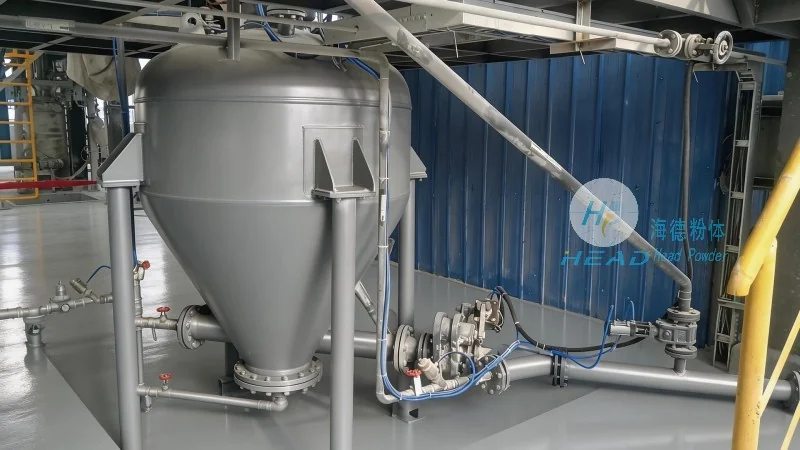
The core of a corn flour pneumatic conveying system involves several key components that work in tandem to transport material from a source to a destination. The primary components include a hopper (or feeder) for material storage, a conveyor line (pipeline) for transport, a blower or vacuum pump to generate air flow, and a receiver or discharge unit for material collection. The process typically begins with the material being fed from the hopper into the pipeline. Air is then introduced, either by pressurizing the line (positive pressure system) or creating a vacuum (negative pressure system), to move the corn flour through the pipeline.
In a positive pressure system, the blower supplies compressed air that pushes the material along the pipeline. The air velocity must be sufficient to overcome the material's resistance and maintain a stable flow. Conversely, in a negative pressure system, a vacuum pump draws air and material from the source, pulling them through the pipeline to the receiver. Both systems are designed to handle the fine, light nature of corn flour, ensuring efficient and reliable transport without causing material degradation.
Advantages of Pneumatic Conveying for Corn Flour
Compared to mechanical conveying methods, corn flour pneumatic conveying offers several advantages that make it a preferred choice for many industries. One of the most significant benefits is the ability to maintain a dust-free environment, which is critical for food and pharmaceutical applications where contamination must be minimized. Pneumatic systems also provide greater flexibility in terms of layout, as pipelines can be easily routed around obstacles or integrated into existing facilities. Additionally, these systems are generally low-maintenance, with fewer moving parts compared to mechanical conveyors, reducing downtime and operational costs.
Another advantage is the ability to handle materials with varying properties, including those that are hygroscopic or prone to caking. The controlled air flow in pneumatic systems helps prevent agglomeration and maintains the material's quality throughout the transport process. This is particularly important for corn flour, which can absorb moisture from the air and form clumps if not handled properly. Pneumatic conveying ensures that the material remains in a consistent, free-flowing state, preserving its texture and functionality for downstream processes.
Applications of Corn Flour Pneumatic Conveying
The versatility of corn flour pneumatic conveying makes it suitable for a wide range of applications across various industries. In the food industry, for example, corn flour is used in baking, snack production, and as an ingredient in various food products. Pneumatic conveying systems are used to transport corn flour from storage silos to production lines, ensuring a continuous and efficient supply of raw material. In the pharmaceutical industry, where corn flour may be used as a filler or excipient, the dust-free and hygienic nature of pneumatic systems is essential to maintain product quality and compliance with regulatory standards.
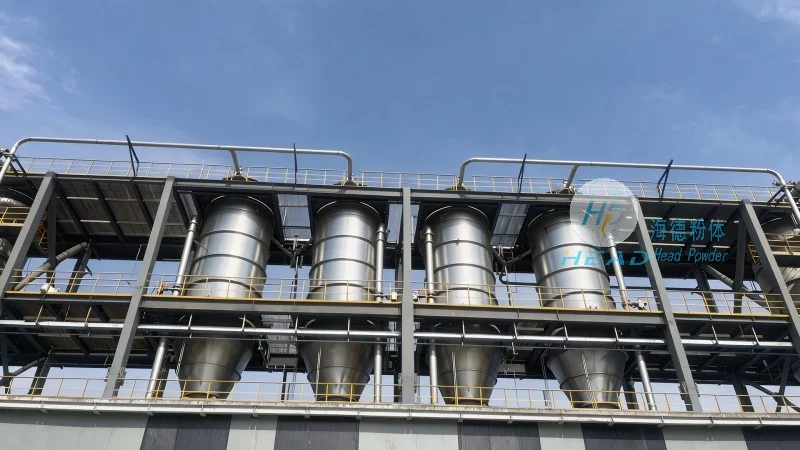
In the chemical and agricultural sectors, corn flour is also used in the production of animal feed, biodegradable products, and other industrial applications. Pneumatic conveying systems are employed to transport corn flour from processing plants to storage facilities or to other processing units, ensuring that the material is handled safely and efficiently. The ability to transport materials over long distances without the need for multiple transfer points also makes pneumatic systems advantageous for large-scale operations.
Key Considerations for Implementing Corn Flour Pneumatic Conveying Systems
When implementing a corn flour pneumatic conveying system, several factors must be considered to ensure optimal performance and efficiency. The first consideration is the material's properties, including particle size, density, and hygroscopicity. These factors determine the appropriate air velocity and system design to prevent material degradation or blockages. The second consideration is the system layout, which should be designed to minimize pressure drops and ensure smooth material flow. This includes selecting the right pipeline diameter, length, and bends, as well as incorporating appropriate filters and cyclones to remove dust and maintain system efficiency.
Another critical consideration is the system's capacity and scalability. As production needs grow, the conveying system must be able to handle increased material volumes without compromising performance. This may involve upgrading the blower or vacuum pump, increasing pipeline diameter, or adding additional conveying lines. Additionally, the system's maintenance requirements should be taken into account, as regular cleaning and inspection are necessary to prevent clogging and ensure long-term reliability.
Finally, the cost-effectiveness of the system should be evaluated. While pneumatic conveying systems may have higher initial investment costs compared to some mechanical systems, their long-term benefits, such as reduced downtime, lower maintenance costs, and improved product quality, often outweigh the initial expense. For industries dealing with high-value materials like corn flour, the investment in a reliable pneumatic conveying system is a wise decision that can enhance overall operational efficiency and profitability.