

What is Sodium Fluorosilicate Pneumatic Conveying? An Introduction to the Working Principle of Powde
Understanding the mechanics of sodium fluorosilicate pneumatic conveying is essential for industries that handle this specific chemical powder. This article delves into the working principles of a powder handling system designed for efficient transport of sodium fluorosilicate, a compound widely used in various industrial applications.
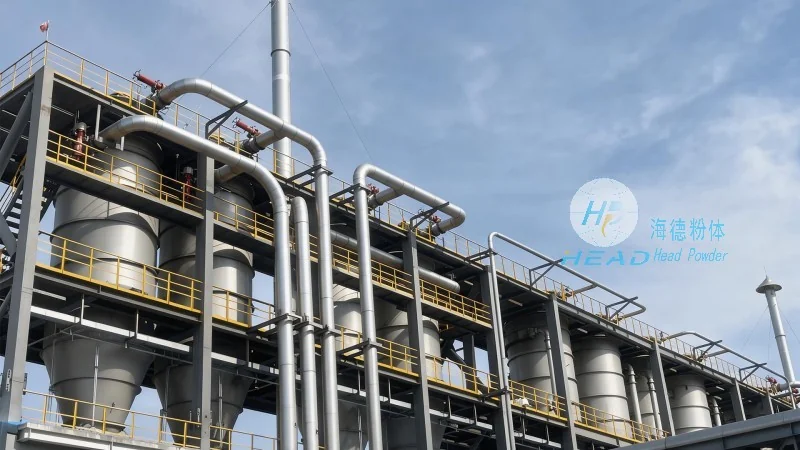
HeadPowder, a leading provider of specialized engineering solutions, offers advanced pneumatic conveying systems tailored to the unique properties of sodium fluorosilicate. Based in Shandong, China, the company combines expertise in powder technology with innovative design to deliver reliable and efficient material transport solutions.
The core of a pneumatic conveying system for sodium fluorosilicate involves the use of air as the transport medium. The system typically consists of a hopper for material storage, a feeder to control the flow rate, a pipeline network, and a receiver for the discharged material. The process begins with the material being fed from the hopper into the pipeline under the pressure of compressed air.
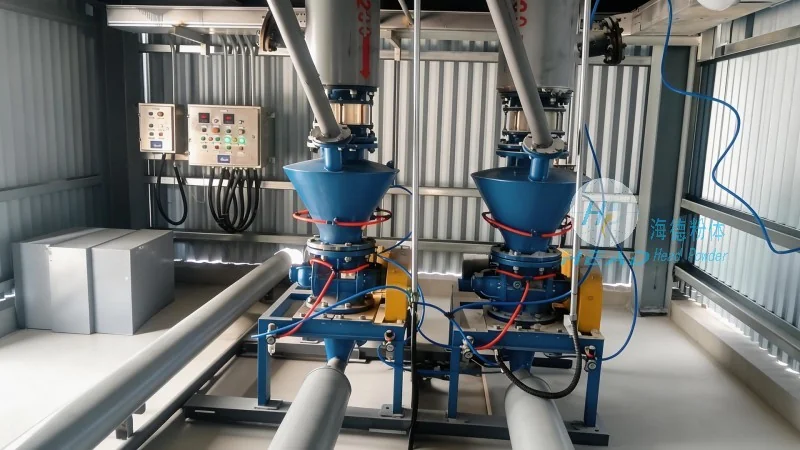
As the compressed air flows through the pipeline, it creates a flow of air and powder, forming a dense or dilute phase depending on the system design. In dense phase conveying, the air velocity is lower, allowing the powder to be transported in a more controlled manner, minimizing particle degradation and system wear. Dilute phase conveying, on the other hand, uses higher air velocities to transport the powder in a more turbulent flow, suitable for longer distances or when the material is less abrasive.
Key components of the system include the air compressor, which generates the necessary pressure, and the control valves that regulate the air flow and material discharge. The hopper is equipped with a discharge valve or feeder, such as a rotary valve or screw feeder, to ensure a consistent and controlled feed rate. The pipeline is often made of materials resistant to corrosion, such as stainless steel or special coatings, to withstand the chemical properties of sodium fluorosilicate.
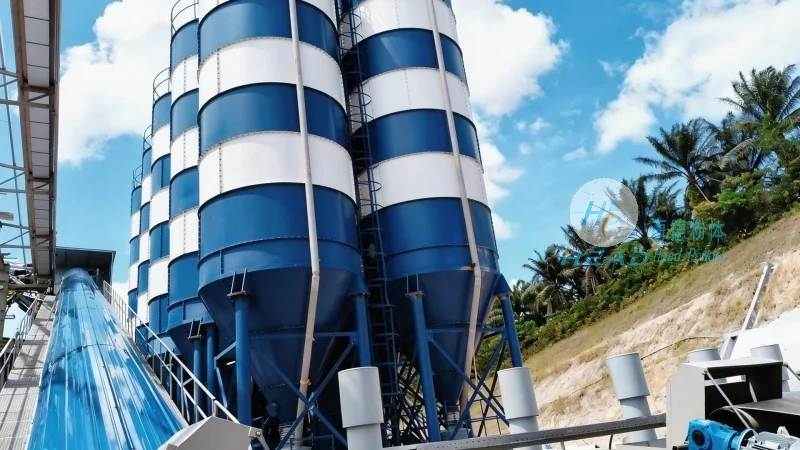
During operation, the compressed air is introduced into the pipeline, creating a pressure differential that draws the sodium fluorosilicate from the hopper. The material is then carried along the pipeline to the receiver, where the air is separated from the powder and either vented or recycled back into the system. This process ensures efficient and continuous transport of the powder, reducing the need for manual handling and improving overall operational efficiency.
HeadPowder's systems are designed to handle the specific challenges associated with sodium fluorosilicate, including its fine particle size and potential for static charge. The company's engineers consider factors such as particle size distribution, moisture content, and flow characteristics to optimize the system design. By using appropriate air velocities and pipeline diameters, the system minimizes the risk of blockages and ensures smooth operation.
The benefits of using a pneumatic conveying system for sodium fluorosilicate include improved safety, as the material is transported in a closed system, reducing exposure to dust and fumes. Additionally, the system enhances product quality by preventing contamination and degradation during transport. It also increases operational efficiency by automating the material handling process, reducing labor costs and downtime.
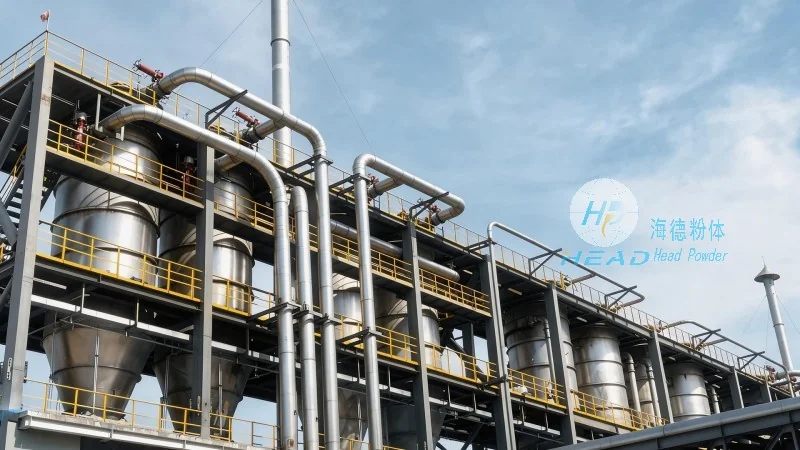
For industries relying on sodium fluorosilicate, such as glass manufacturing, ceramics, and water treatment, the proper selection and implementation of a pneumatic conveying system are critical. HeadPowder's expertise in powder handling technology ensures that clients receive customized solutions that meet their specific requirements, whether for short or long-distance transport, high or low flow rates, or standard or specialized applications.
By understanding the working principles of sodium fluorosilicate pneumatic conveying and leveraging the advanced solutions offered by HeadPowder, industries can achieve efficient, reliable, and cost-effective material transport. The combination of innovative engineering and practical application ensures that the system operates optimally, meeting the demands of modern industrial processes.