

What is Flue Gas Desulfurization Gypsum Pneumatic Conveying? Introduction to the Working Principle o
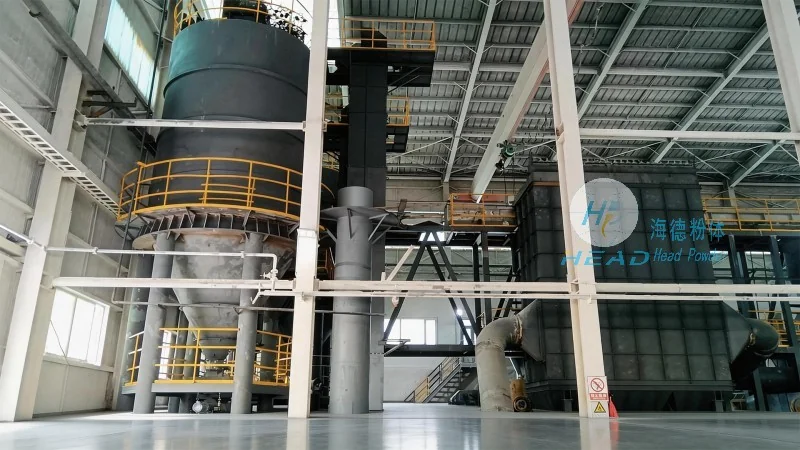
Flue gas desulfurization gypsum, commonly known as FGD gypsum, is a byproduct generated during the process of removing sulfur dioxide from flue gases in thermal power plants and other industrial facilities. This material is widely utilized in various construction and industrial applications due to its properties, such as high calcium sulfate dihydrate content and low impurity levels. However, the efficient and safe transportation of this fine powder presents unique challenges that require specialized handling solutions. Pneumatic conveying systems have emerged as a reliable method for transporting FGD gypsum over long distances and in complex layouts, offering advantages like minimal dust generation, reduced labor costs, and improved safety compared to traditional methods like belt conveyors or trucks.
Understanding Pneumatic Conveying Systems for FGD Gypsum
Pneumatic conveying, or air-based powder transport, is a technology that uses compressed air to move bulk materials through a network of pipes. In the context of FGD gypsum, this system typically consists of several key components, including a material feed hopper, an air compressor, a conveying line, and a discharge unit. The process begins when the gypsum powder is fed into the hopper, where it is then mixed with a controlled amount of air. The air-gypsum mixture is then accelerated through the pipeline by the compressor, traveling to the destination point where it is discharged and separated from the air. There are two primary types of pneumatic conveying systems: dilute-phase and dense-phase. Dilute-phase systems operate at higher air-to-material ratios, allowing for longer distances and higher speeds, while dense-phase systems use lower air flow rates and higher material concentrations, which is often preferred for handling sensitive or abrasive materials like FGD gypsum.
Key Components and Working Principle of Pneumatic Conveying for FGD Gypsum
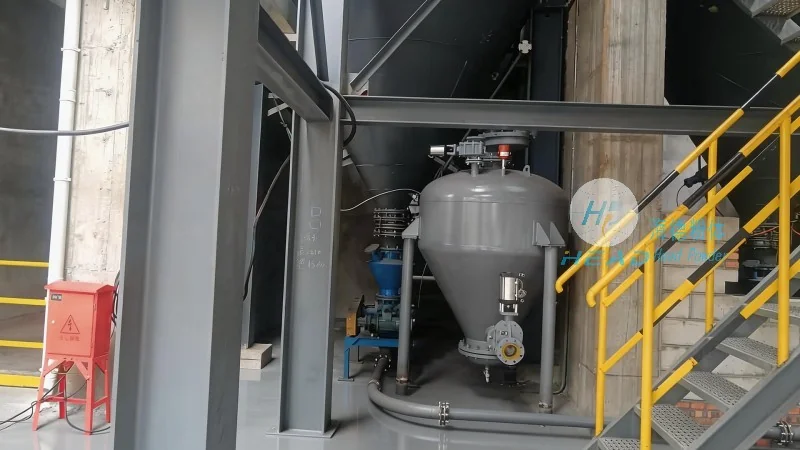
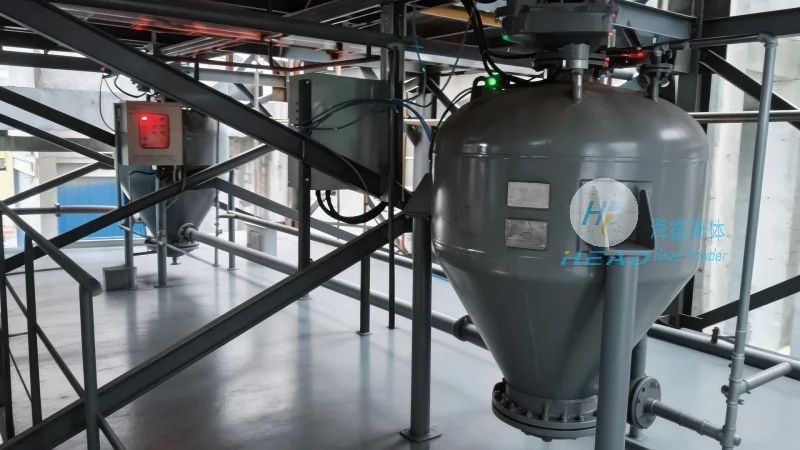
The effectiveness of a pneumatic conveying system for FGD gypsum depends on the proper design and integration of its core components. The material feed hopper is crucial for maintaining a consistent flow of gypsum into the system, preventing blockages and ensuring smooth operation. It often includes features like a rotary valve or a screw feeder to control the discharge rate. The air compressor provides the necessary pressure and volume of air to transport the gypsum through the pipeline. The choice of compressor type, such as rotary screw or centrifugal, can impact the system's efficiency and suitability for different applications. The conveying line, typically made of stainless steel or other corrosion-resistant materials, is designed to withstand the abrasive nature of the gypsum and the pressure of the air flow. The discharge unit, which may include a cyclone separator or a filter, separates the gypsum from the air, allowing the air to be recirculated or vented, and the gypsum to be collected for further use. The working principle revolves around the balance between air velocity and material concentration. If the air velocity is too low, the gypsum may settle in the pipe, causing blockages; if it is too high, the material may be damaged or the system may become inefficient. Proper system design and maintenance are essential to achieve optimal performance and minimize operational issues.
Advantages of Pneumatic Conveying for FGD Gypsum Transportation
Compared to traditional transportation methods, pneumatic conveying offers several advantages for handling FGD gypsum. One of the most significant benefits is the reduction of dust and airborne particles, which improves workplace safety and environmental compliance. Unlike belt conveyors or trucks, which can generate large amounts of dust, pneumatic systems keep the material contained within the pipeline, minimizing exposure risks for workers. Additionally, pneumatic conveying can be more cost-effective over long distances, as it eliminates the need for multiple transfer points or the use of heavy machinery. The system can also be integrated with other processing equipment, such as storage silos or mixing plants, creating a seamless material flow from the power plant to the end-use facility. Another advantage is the flexibility of the system, which can be adapted to various layouts and site conditions. It can transport FGD gypsum from multiple sources to a central processing plant or distribute it to different end-users, making it a versatile solution for industrial applications. Furthermore, pneumatic conveying systems can be designed to handle other fine powders, expanding their utility beyond FGD gypsum and providing a long-term investment for companies in the power and construction industries.
Applications and Industries Utilizing FGD Gypsum Pneumatic Conveying
The use of pneumatic conveying systems for FGD gypsum is widespread across various industries that rely on this material as a raw ingredient. In the construction sector, FGD gypsum is commonly used to produce gypsum board, which is a key component in drywall and interior finishing. The ability to transport the gypsum efficiently from the power plant to the manufacturing facility is critical for maintaining production schedules and meeting demand. Pneumatic systems enable manufacturers to receive a consistent supply of high-quality gypsum, ensuring the quality of the final product. In the agricultural sector, FGD gypsum is sometimes used as a soil amendment, providing calcium and sulfur to improve soil fertility. Pneumatic conveying allows for the distribution of this material to farms and agricultural sites, supporting sustainable farming practices. Additionally, in the industrial sector, FGD gypsum may be used in cement production or as a filler in various products. The flexibility of pneumatic systems makes them suitable for these diverse applications, as they can be adapted to handle different material properties and processing requirements. The widespread adoption of FGD gypsum in these industries highlights the importance of reliable and efficient transportation systems, and pneumatic conveying has become a preferred choice due to its advantages in safety, cost, and performance.
Conclusion and Company Overview
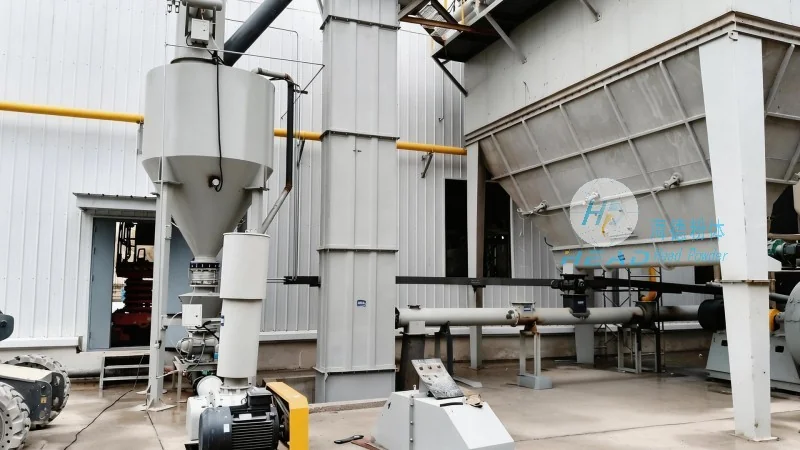
Pneumatic conveying systems represent a sophisticated and effective solution for the transportation of flue gas desulfurization gypsum, addressing the unique challenges associated with handling fine, abrasive powders. By leveraging compressed air to move material through a closed pipeline system, these systems offer significant benefits in terms of safety, efficiency, and cost-effectiveness compared to traditional methods. The proper design and maintenance of the system, including components like the feed hopper, compressor, and discharge unit, are essential for achieving optimal performance and ensuring the long-term reliability of the operation. As the demand for FGD gypsum continues to grow in construction and other industries, the importance of efficient transportation systems will only increase, making pneumatic conveying a critical technology for companies involved in power generation and material processing. Shandong HeadPowder Engineering Co., Ltd., a leading provider of powder handling solutions, specializes in designing and manufacturing customized pneumatic conveying systems tailored to the specific needs of clients, including those working with FGD gypsum. With a focus on innovation and quality, the company ensures that its systems meet the highest standards of performance and safety, supporting the sustainable use of this valuable byproduct in various applications.