

What is Cement Aggregate Pneumatic Conveying? An Introduction to the Working Principle of Powder Han
Cement aggregate pneumatic conveying is a critical technology in the industrial sector, particularly for the efficient transportation of bulk materials like cement, sand, and other aggregates. This method utilizes air as the medium to move solid particles through a pipeline system, offering a flexible and effective solution for material handling in various industrial applications. The working principle of this system is centered on the creation of a pressure differential that propels the material through the conveying line, making it an essential component in processes such as cement production, construction material handling, and chemical processing.
How Pneumatic Conveying Systems Function: A Step-by-Step Breakdown
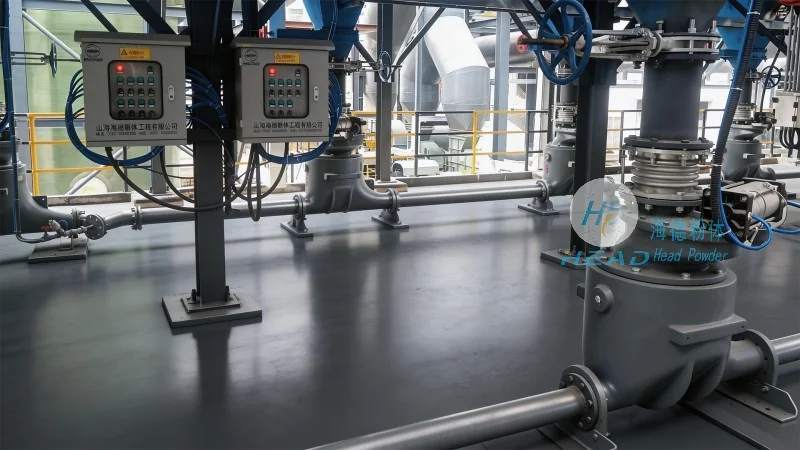
The operation of a cement aggregate pneumatic conveying system involves several key components and processes. At its core, the system consists of a material hopper, a conveyor line, a blower or compressor to generate the necessary air pressure, and a receiver or discharge point. The process begins with the material being loaded into the hopper. As air is introduced into the system, it creates a low-pressure zone that draws the material from the hopper into the conveying line. The air then carries the material particles through the pipeline, maintaining the flow by ensuring the air velocity is sufficient to keep the particles suspended. The material is then discharged at the receiving end, where the air is separated from the material, often through a cyclone or filter system.
Key Components of a Pneumatic Conveying System for Cement Aggregates
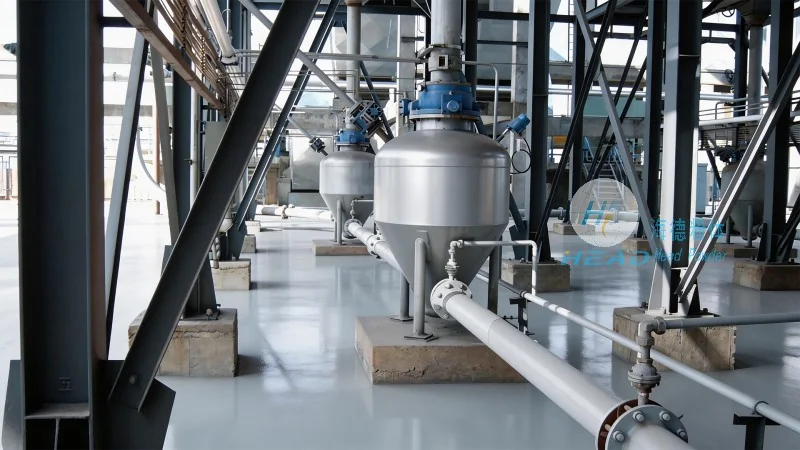
Several critical components work together to ensure the efficient operation of a cement aggregate pneumatic conveying system. The material hopper is designed to hold the bulk material and facilitate its flow into the conveying line. The blower or compressor is responsible for generating the air pressure needed to move the material; its capacity and pressure rating are tailored to the specific material characteristics and conveying distance. The conveying line, typically made of stainless steel or other corrosion-resistant materials, is designed to withstand the pressure and abrasion from the material and air. The receiver or discharge hopper collects the material at the end of the line, and often includes a dust collection system to manage any airborne particles. Additionally, control systems are integrated to regulate the air flow and material feed, ensuring consistent and reliable operation.
Benefits of Using Pneumatic Conveying for Cement and Aggregate Handling
Implementing a pneumatic conveying system for cement aggregates offers numerous advantages over traditional methods like belt conveyors or bucket elevators. One of the primary benefits is the flexibility in system layout, as the conveying line can be arranged in various configurations, including vertical, horizontal, or a combination of both, to fit the specific space and operational requirements. This flexibility allows for more efficient use of factory space and easier integration into existing production lines. Another significant advantage is the reduced risk of material contamination and degradation, as the enclosed system prevents exposure to external elements and minimizes the risk of dust inhalation or product spoilage. Additionally, pneumatic conveying systems can handle a wide range of material types and particle sizes, making them suitable for diverse industrial applications. The system also offers improved safety by eliminating the need for manual handling of bulk materials, reducing the risk of accidents and injuries in the workplace.
Applications of Cement Aggregate Pneumatic Conveying Systems
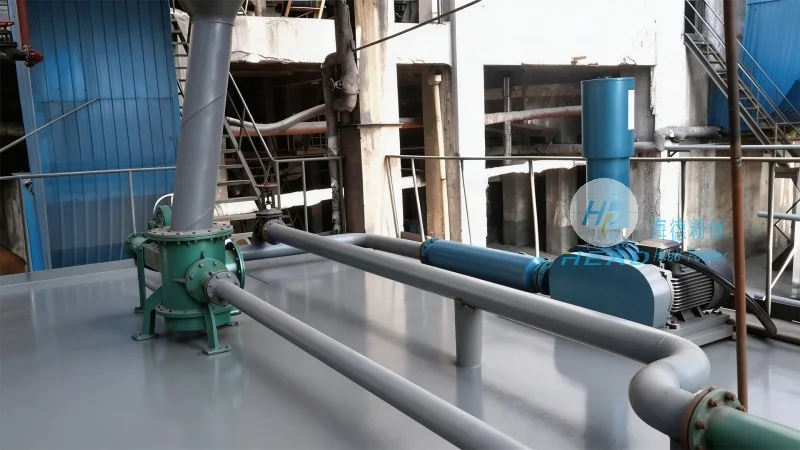
Cement aggregate pneumatic conveying systems are widely used in various industries, with the construction and cement manufacturing sectors being the most prominent. In cement production, these systems are used to transport raw materials such as limestone, clay, and sand from storage areas to the processing plant. They are also used to move finished cement products from the production line to storage silos or shipping facilities. In the construction industry, pneumatic conveying systems are employed to transport aggregates like sand, gravel, and crushed stone to construction sites, ensuring a continuous and efficient supply of materials. Additionally, these systems are used in chemical processing, pharmaceuticals, and food processing industries for handling various powders and granules, leveraging the same principles of air-based material transport.
HeadPowder: Your Trusted Partner in Pneumatic Conveying Solutions
Shandong HeadPowder Engineering Co., Ltd., commonly known as HeadPowder, is a leading provider of advanced pneumatic conveying systems tailored to the needs of the cement and aggregate industries. With a strong commitment to quality and innovation, HeadPowder specializes in designing, manufacturing, and installing custom pneumatic conveying solutions that meet the specific requirements of its clients. The company's headquarters is located in Shandong, China, where it leverages its expertise and state-of-the-art facilities to develop cutting-edge material handling technologies. HeadPowder's team of engineers and technicians work closely with clients to understand their operational challenges and provide tailored solutions that enhance efficiency, reduce costs, and improve safety in material handling processes. By partnering with HeadPowder, businesses can benefit from reliable and efficient pneumatic conveying systems that are designed to withstand the demands of industrial operations and deliver long-term performance.