

What is Pulverized Fly Ash Particle Pneumatic Conveying? Introduction to the Working Principle of Po
Understanding the mechanics of pneumatic conveying systems, particularly for materials like pulverized fly ash, is crucial in industrial applications. This article provides an overview of how such systems operate, focusing on the key components and processes involved in transporting fine particles efficiently and reliably.
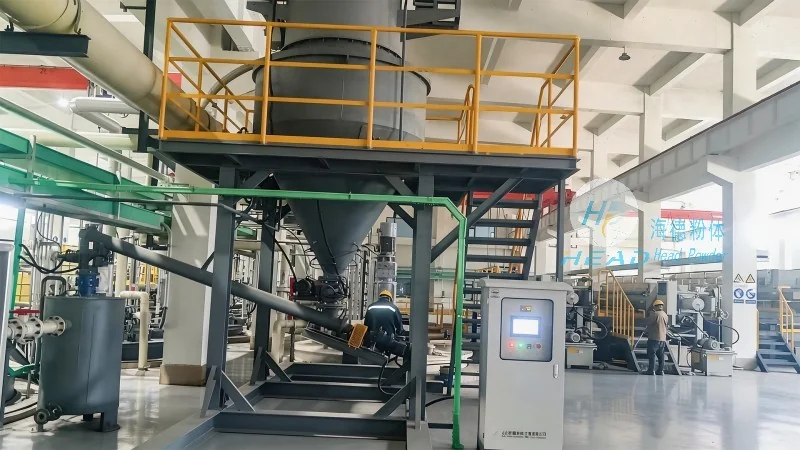
Introduction to Pulverized Fly Ash Particle Pneumatic Conveying
Pulverized fly ash, a byproduct of coal combustion, is often handled in bulk quantities for recycling or utilization in construction materials. Conventional methods for transporting such fine powders can be inefficient, leading to dust issues and operational challenges. Pneumatic conveying offers a solution by using air to transport the material through a pipeline, eliminating the need for mechanical components like belts or buckets that might cause contamination or wear.
About Shandong HeadPowder Engineering Co., Ltd.
HeadPowder, or Shandong HeadPowder Engineering Co., Ltd., is a company based in Shandong, China, specializing in the design, manufacturing, and installation of advanced powder handling systems. With a focus on innovation and customer-centric solutions, the company has developed expertise in handling challenging materials like pulverized fly ash, ensuring safe and efficient material transport for industrial clients.
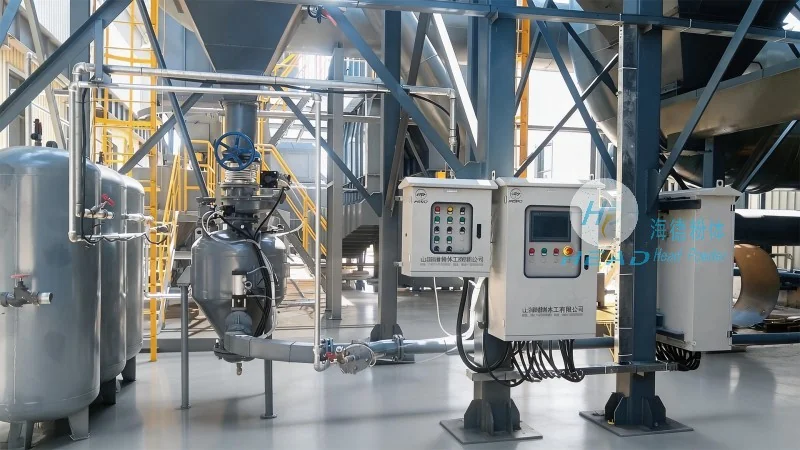
The Working Principle of Pneumatic Conveying Systems
The core of a pneumatic conveying system is the ability to generate a flow of air that can entrain and transport the powder particles. This is typically achieved through a combination of pressure or vacuum, depending on the system design. For pressure systems, a blower or compressor creates positive pressure at the inlet, pushing the air and particles through the pipeline. The system consists of several key components: a feeding device to introduce the fly ash into the pipeline, a pipeline network that transports the material, a separation unit to separate the air from the powder at the discharge point, and a control system to regulate the flow and pressure.
In a typical operation, the pulverized fly ash is fed into the system via a rotary valve or a star feeder, which ensures a consistent flow rate. The air, supplied by a high-pressure blower, is introduced at the inlet of the pipeline, creating a flow that carries the particles along. The velocity of the air is critical; it must be sufficient to overcome the gravitational forces and the drag on the particles but not so high as to cause excessive wear on the system components or to generate excessive dust. The pipeline design, including bends and fittings, is optimized to minimize pressure drop and maintain the air-particle mixture's stability.
Key Components and Their Functions
Each component of the pneumatic conveying system plays a vital role in the overall operation. The feeding device, such as a rotary valve, controls the rate at which the fly ash is introduced into the system, preventing overloading and ensuring a smooth flow. The pipeline, usually made of stainless steel or other corrosion-resistant materials, is designed to withstand the pressure and the abrasive nature of the fly ash particles. The separation unit, often a cyclone or a baghouse, uses centrifugal force to separate the air from the powder, allowing the fly ash to be collected in a hopper or silo for further use. The control system monitors parameters like pressure, flow rate, and temperature, adjusting the operation to maintain optimal performance and prevent issues like blockages or excessive pressure drops.
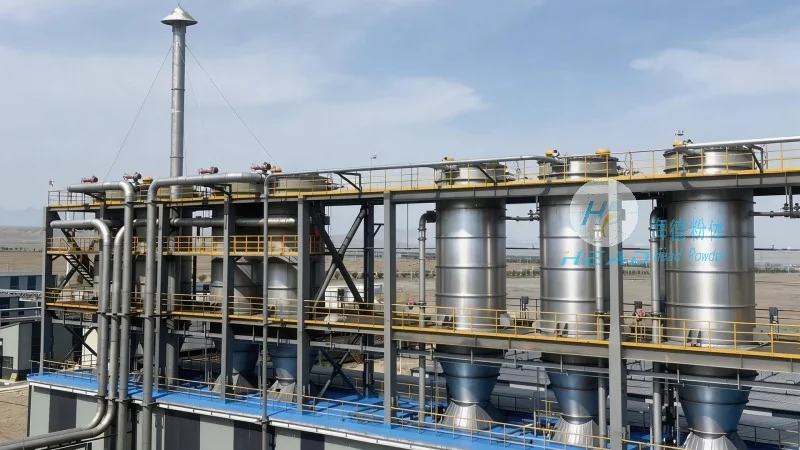
Advantages of Pneumatic Conveying for Pulverized Fly Ash
Implementing a pneumatic conveying system for pulverized fly ash offers several advantages over traditional methods. Firstly, it provides a dust-free environment, reducing the risk of respiratory issues for workers and minimizing environmental contamination. Secondly, the system is highly efficient, with minimal material loss and low maintenance requirements compared to mechanical systems. Thirdly, it allows for flexible and scalable solutions, as the pipeline can be extended or modified to accommodate changes in production needs. Additionally, the system can be integrated with other processes, such as mixing or storage, to create a seamless material handling workflow.
Conclusion
Pneumatic conveying systems, particularly for handling pulverized fly ash, represent a sophisticated and effective solution for industrial material transport. By understanding the working principles and key components of such systems, industries can optimize their operations, improve safety, and enhance the overall efficiency of their processes. Companies like Shandong HeadPowder Engineering Co., Ltd. play a crucial role in providing these advanced systems, ensuring that clients can leverage the benefits of pneumatic conveying for their specific applications.