

What is Denitrification Urea Pneumatic Conveying? Introduction to the Working Principle of Powder Co
Denitrification urea, a vital component in modern industrial processes, often requires efficient and reliable transportation methods to ensure optimal performance in various applications. Pneumatic conveying systems have emerged as a sophisticated solution for handling such powders, particularly in the context of denitrification urea. This article delves into the working principles of these systems, highlighting their importance in industrial operations and the expertise of Shandong HeadPowder Engineering Co., Ltd. in providing tailored solutions for powder handling needs.
Understanding Pneumatic Conveying Technology
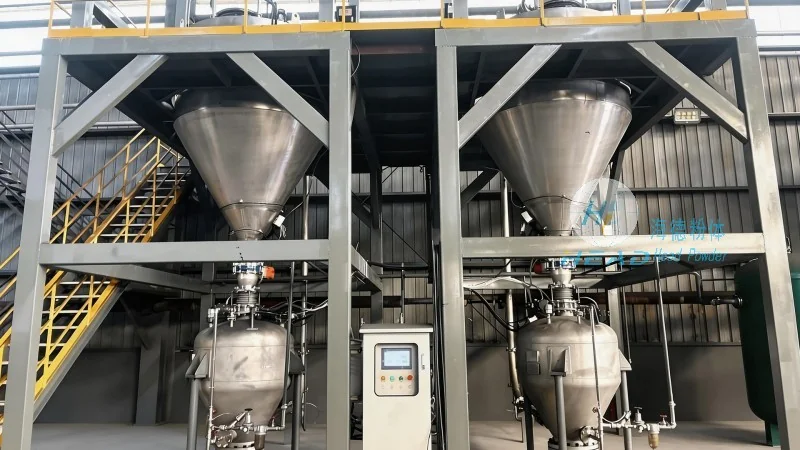
Pneumatic conveying, also known as powder pneumatic transport, involves the movement of particulate materials through a pipeline using compressed air or other gas. The technology is widely used in industries such as chemical, pharmaceutical, and agricultural, where the safe and efficient transfer of powders is critical. For denitrification urea, which is a key fertilizer ingredient, the choice of conveying system directly impacts the quality and consistency of the final product. The system typically consists of a hopper, a feeder, a pipeline, and a receiver, all working in tandem to ensure smooth material flow.
HeadPowder's Expertise in Powder Handling Solutions
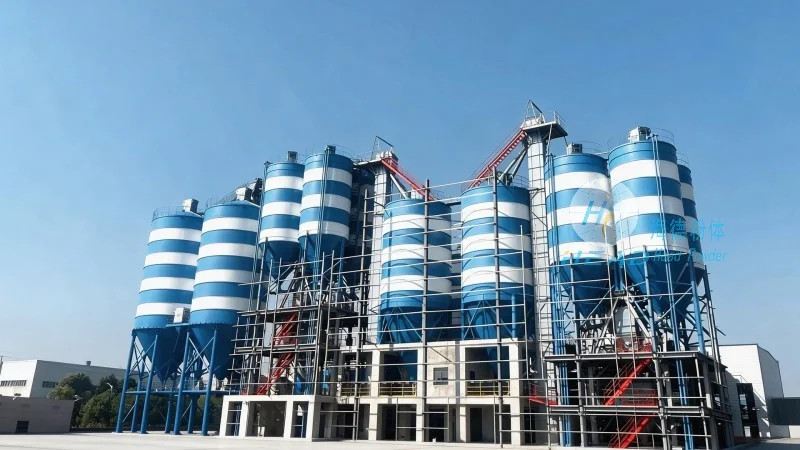
Shandong HeadPowder Engineering Co., Ltd., a leading provider of powder handling solutions, specializes in designing and manufacturing pneumatic conveying systems tailored to the specific requirements of denitrification urea applications. With a strong presence in China, particularly in Shandong, the company leverages its technical expertise and years of industry experience to deliver high-performance systems that meet the demands of modern industrial processes. HeadPowder's commitment to quality and innovation has made it a trusted partner for businesses seeking reliable and efficient powder transportation solutions.
Key Components and Working Principle of the System
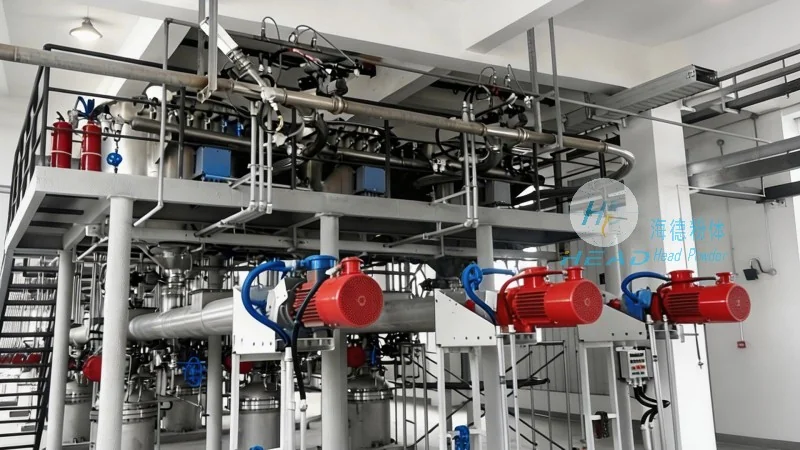
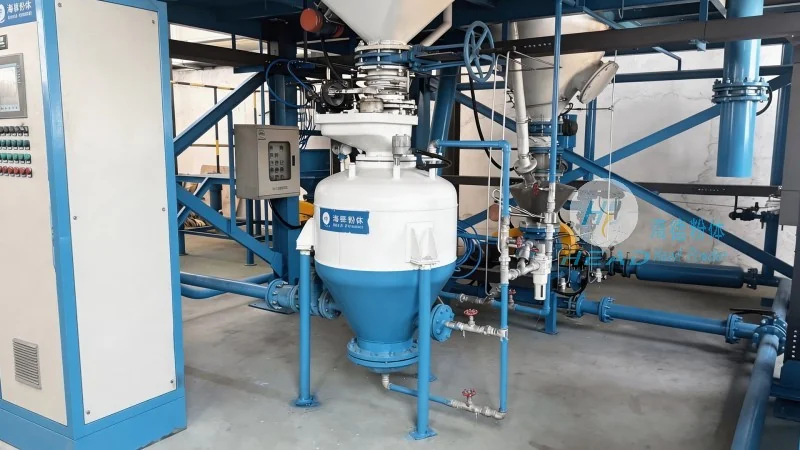
The core components of a denitrification urea pneumatic conveying system include the material hopper, which stores the urea, a rotary valve or feeder that controls the flow rate, a pipeline that transports the material, and a receiver or silo where the material is deposited. The system operates by introducing compressed air into the pipeline, creating a flow that lifts and transports the urea particles. The air flow is carefully controlled to maintain the desired velocity and pressure, ensuring that the material moves smoothly without causing blockages or degradation. The working principle is based on the principle of fluidization, where the air flow creates a suspension of the powder particles, allowing them to be carried through the pipeline.
Benefits and Applications of Denitrification Urea Pneumatic Conveying
The adoption of pneumatic conveying systems for denitrification urea offers several advantages, including improved safety, reduced labor costs, and enhanced product quality. Unlike traditional methods such as belt conveyors or bucket elevators, pneumatic systems minimize the risk of dust exposure and contamination, which is critical for maintaining the purity of denitrification urea. Additionally, the system allows for precise control over the flow rate and pressure, ensuring consistent product quality and reducing waste. The applications of these systems are diverse, ranging from small-scale laboratory operations to large-scale industrial production lines, where the efficient handling of denitrification urea is essential for maintaining production efficiency and meeting market demands.
How HeadPowder Engineering Co., Ltd. Ensures Efficient and Reliable Operations
Shandong HeadPowder Engineering Co., Ltd. employs a comprehensive approach to ensure the efficiency and reliability of denitrification urea pneumatic conveying systems. The company conducts thorough site assessments and material analysis to design systems that are tailored to the specific needs of each client. This includes evaluating factors such as material properties, flow rates, and environmental conditions to optimize the system's performance. HeadPowder's team of engineers and technicians utilizes advanced design software and simulation tools to model the system and predict its behavior under various operating conditions. The company also provides comprehensive installation, commissioning, and maintenance services to ensure that the systems operate at peak performance throughout their lifecycle. With a focus on quality control and customer satisfaction, HeadPowder has built a reputation for delivering reliable and efficient powder handling solutions that meet the highest industry standards.