

Introduction to PVC Pneumatic Conveying and Explanation of the Working Principle of Pneumatic Convey
HeadPowder, a leading engineering company based in Shandong, China, specializes in the design, manufacturing, and installation of advanced pneumatic conveying systems. This article provides an overview of PVC pneumatic conveying technology and explains the fundamental principles behind how these systems operate to efficiently transport materials.
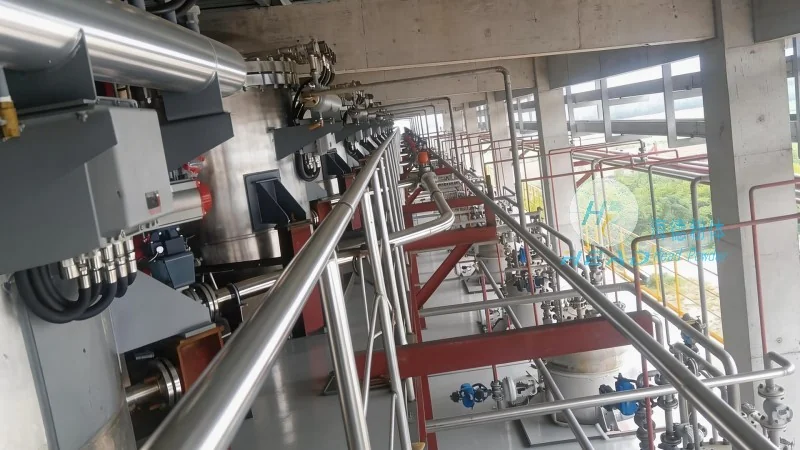
Understanding PVC Pneumatic Conveying Systems
PVC pneumatic conveying systems are widely used in various industries for the transport of plastic powders, granules, and other bulk materials. The term "PVC" here refers to the material being conveyed, typically polyvinyl chloride, which is a common plastic used in manufacturing processes. These systems offer a flexible and efficient method for moving materials from one location to another without the need for mechanical components like belts or screws.
The Working Principle of Pneumatic Conveying
Pneumatic conveying systems operate by using compressed air or gas to move materials through a pipeline. The process involves several key components and steps. First, the material to be conveyed is introduced into the system, often via a hopper or feeder. Then, a fan or blower generates the necessary airflow, which creates a pressure differential within the pipeline. This differential causes the material to be entrained (carried along) by the air stream. The material is then transported through the pipeline to the discharge point, where it is collected in a receiving hopper or container.
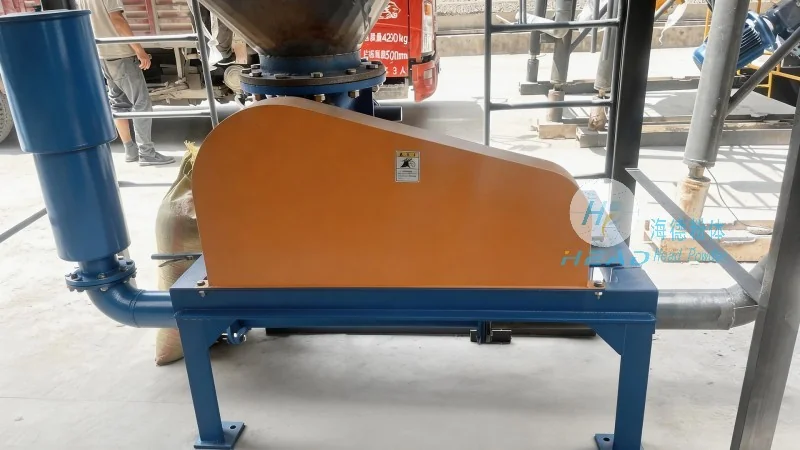
Key Components of a Pneumatic Conveying System
Several critical components work together to ensure the smooth operation of a pneumatic conveying system. These include the air source (such as a blower or compressor), the material feed system (hopper, feeder, or rotary valve), the conveying pipeline, and the material separation or collection equipment. Each component plays a vital role in maintaining the efficiency and reliability of the system. For PVC applications, the system must be designed to handle the specific properties of the material, such as its density, flowability, and potential for static charge buildup.
Advantages of PVC Pneumatic Conveying
There are several advantages to using PVC pneumatic conveying systems over traditional methods like belt conveyors or screw conveyors. These systems offer high flexibility in terms of layout and can be easily modified to accommodate changes in production needs. They also provide a clean and hygienic method of material transport, which is particularly important in food and pharmaceutical industries where contamination control is critical. Additionally, pneumatic conveying systems can handle materials with a wide range of particle sizes and shapes, making them suitable for diverse applications.
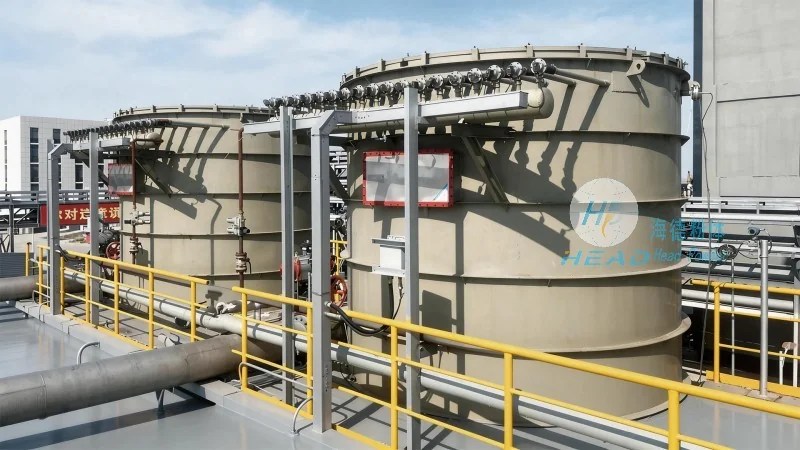
Applications in Different Industries
PVC pneumatic conveying systems are used in a variety of industries, including plastics manufacturing, food processing, pharmaceuticals, and chemical processing. In the plastics industry, these systems are commonly used to transport PVC resin, additives, and finished products between processing units. In food processing, they are used to move ingredients like flour, sugar, and spices while maintaining sanitary conditions. The versatility of pneumatic conveying makes it an ideal solution for industries that require efficient, reliable, and flexible material handling solutions.
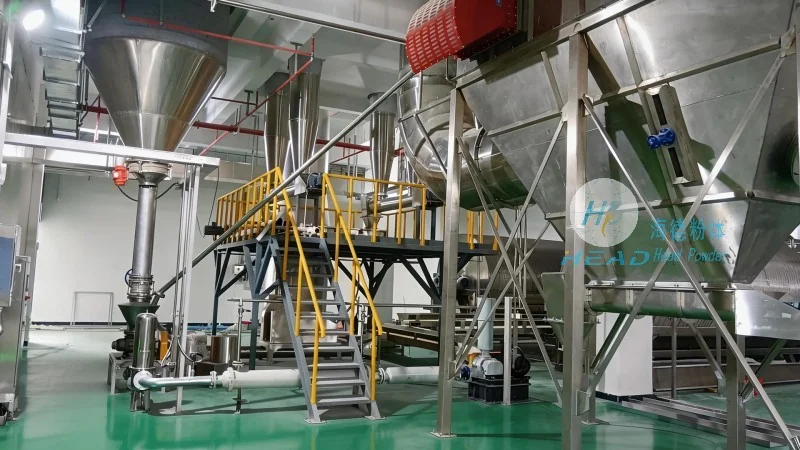
Design Considerations for PVC Pneumatic Conveying
When designing a PVC pneumatic conveying system, several factors must be considered to ensure optimal performance. These include the material's physical properties, such as its density, moisture content, and flowability. The system must also be designed to handle the potential for static charge buildup, which can affect material flow and cause issues like dust explosions. Proper sizing of the air source and pipeline is crucial to maintain the required airflow and pressure levels. Additionally, the system should be equipped with appropriate safety features, such as pressure relief valves and explosion-proof components, to ensure safe operation.
Maintenance and Troubleshooting
Maintaining a pneumatic conveying system requires regular inspection and maintenance to ensure its long-term reliability. Common maintenance tasks include cleaning the hopper and feeder, checking the condition of the air filter and blower, and inspecting the pipeline for any signs of wear or damage. Troubleshooting issues such as reduced conveying capacity or material blockages often involves checking the air pressure, material feed rate, and pipeline cleanliness. By following a regular maintenance schedule and addressing issues promptly, the system can continue to operate efficiently and effectively.