

Corn Pneumatic Conveying Introduction: Principles of Pneumatic Conveying Systems
For those in the agricultural processing industry, understanding the efficient and effective methods of handling bulk materials like corn is crucial. This article provides an overview of corn pneumatic conveying systems, detailing the principles behind their operation and the benefits they offer in material transport. The information is presented by Shandong HeadPowder Engineering Co., Ltd., a leading provider of engineering solutions for material handling and processing.
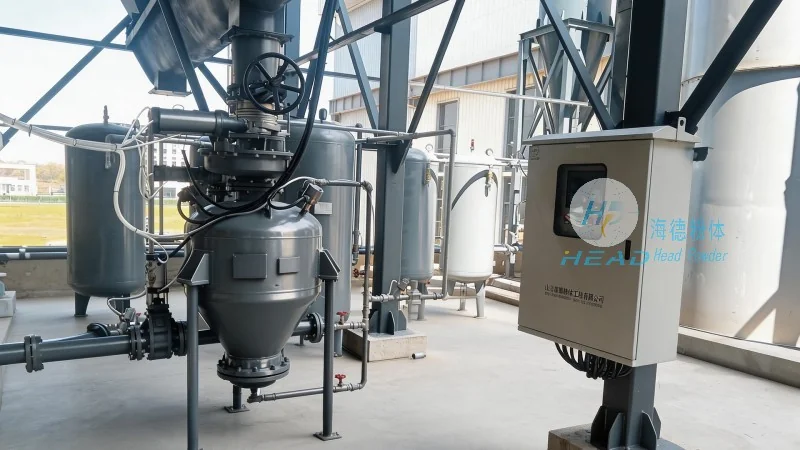
Overview of Corn Pneumatic Conveying Systems
Corn pneumatic conveying systems are designed to transport corn and other granular or powder materials from one location to another using a combination of air pressure and vacuum. These systems are widely used in the agricultural and food processing sectors due to their ability to handle large volumes of material with minimal manual intervention. The core components of a typical corn pneumatic conveying system include a hopper for material storage, a conveyor line, a fan or blower to create the air flow, and a receiver for the discharged material. Each component works in tandem to ensure smooth and continuous material transport.
Working Principle of Pneumatic Conveying Systems
The fundamental principle of pneumatic conveying is the use of air to move solid particles through a pipeline. In a corn pneumatic conveying system, the process begins with the material being fed into the hopper. From there, the material is drawn into the conveyor line by the air flow generated by the fan or blower. The air velocity is carefully controlled to ensure that the corn particles are suspended and transported without causing blockages or excessive wear on the system components. The system can operate under positive pressure (where air is forced into the line) or negative pressure (where air is drawn out of the line), depending on the specific application and layout requirements. The choice of pressure type influences the system's design, including the size of the pipeline, the power of the fan, and the overall efficiency of material transport.
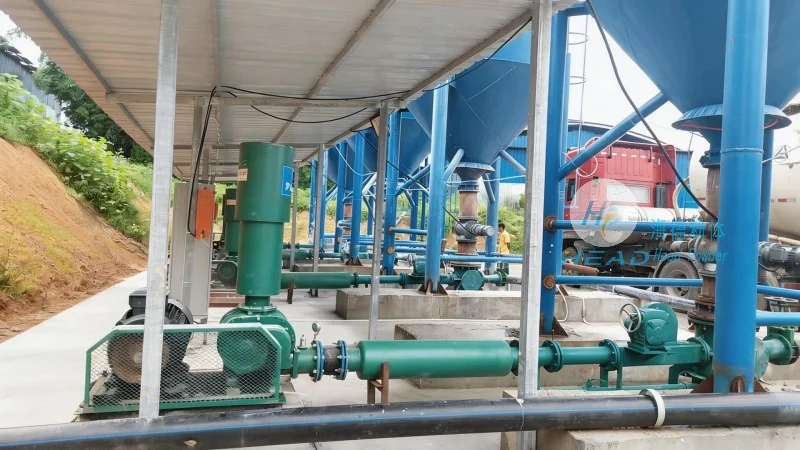
Key Components and Their Functions
Several critical components make up a corn pneumatic conveying system, each playing a vital role in the overall operation. The hopper serves as the storage vessel, holding the corn until it is ready to be conveyed. It is typically equipped with a feeder, such as a rotary valve or a screw feeder, which controls the flow rate of the material into the conveyor line. The conveyor line itself is made of durable materials like stainless steel or plastic, designed to withstand the abrasive nature of corn particles and the constant air flow. The fan or blower is the heart of the system, providing the necessary air pressure to move the material. It can be a centrifugal fan, a positive displacement blower, or a combination of both, depending on the system's capacity and pressure requirements. The receiver, or discharge hopper, collects the material at the end of the conveyor line, allowing it to be discharged into a storage bin or processing equipment. Additionally, filters and cyclones may be included in the system to separate the corn particles from the air, ensuring that the material is clean and free of dust before it reaches the receiver.
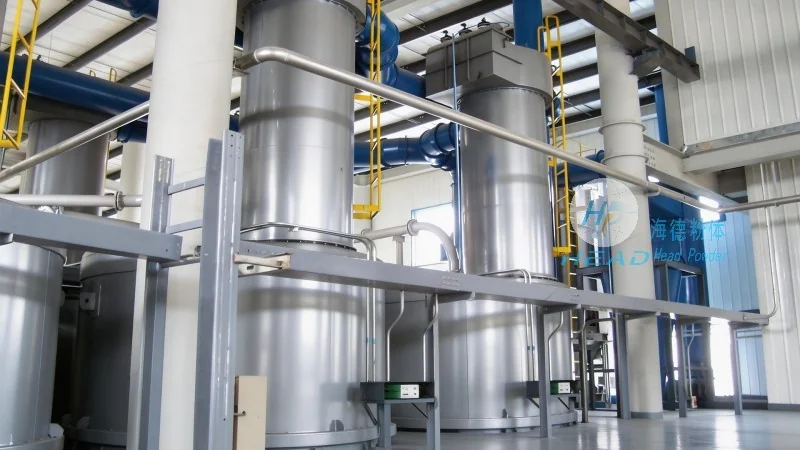
Benefits of Using Pneumatic Conveying for Corn Transport
Implementing a corn pneumatic conveying system offers numerous advantages over traditional methods like belt conveyors or bucket elevators. One of the primary benefits is the ability to transport material over long distances with minimal maintenance. The system is enclosed, which helps to contain dust and prevent contamination, making it suitable for food processing applications where hygiene is paramount. Additionally, pneumatic conveying systems can handle a wide range of material sizes and densities, making them versatile for different corn varieties and processing needs. The enclosed design also reduces the risk of material spillage and loss, improving overall efficiency and reducing waste. Furthermore, these systems can be integrated with other processing equipment, such as cleaning or drying units, to create a seamless material handling workflow. The energy efficiency of modern pneumatic conveying systems has also improved, with advanced fans and control systems reducing operational costs while maintaining high transport capacity.
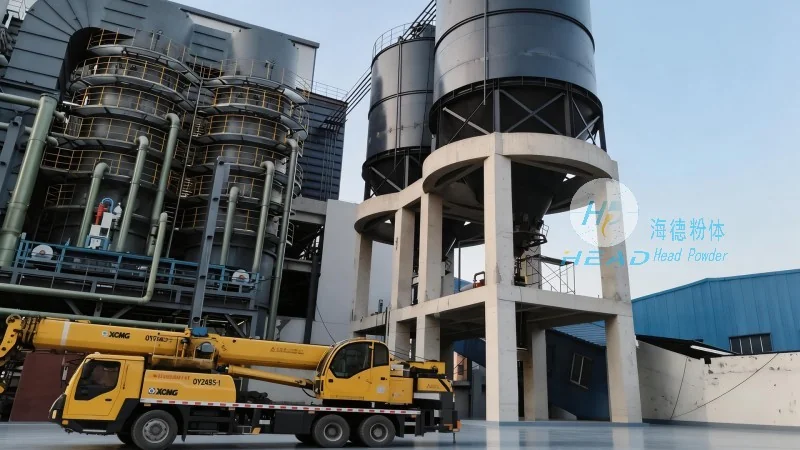
Applications in the Agricultural Industry
Corn pneumatic conveying systems are widely used in various stages of corn processing, from storage and handling to processing and packaging. In storage facilities, these systems are used to transfer corn from storage silos to processing plants, ensuring a continuous supply of raw material. During processing, the system can transport corn to cleaning equipment, where it is sorted and cleaned before further processing. The system is also used in the production of corn products like cornmeal, corn oil, and animal feed, where the material needs to be moved between different processing stages. In addition, the systems are employed in the packaging and distribution of corn products, where the material is transferred from processing lines to packaging machines. The flexibility and adaptability of pneumatic conveying systems make them suitable for a wide range of applications, from small-scale farms to large industrial processing facilities.
Conclusion and Company Information
Corn pneumatic conveying systems are an essential part of modern agricultural processing, offering efficient and reliable methods for material transport. By understanding the principles and components of these systems, businesses can improve their operational efficiency and reduce costs. Shandong HeadPowder Engineering Co., Ltd. specializes in designing and manufacturing custom pneumatic conveying systems tailored to the specific needs of corn processing facilities. With years of experience in the industry, the company provides high-quality solutions that meet the demands of modern agricultural processing. The company's headquarters is located in Shandong, China, and it serves clients worldwide with its expertise in material handling engineering. Whether you are a small-scale farmer or a large industrial processor, HeadPowder can provide the solutions you need to optimize your corn handling operations.