

Introduction to Pneumatic Conveying Systems: Exploring the Working Principle and Applications for Re
For businesses involved in the processing and transportation of red bean products, understanding the efficiency and reliability of pneumatic conveying systems is crucial. This article provides an overview of pneumatic conveying technology, focusing on its working principles and how it applies to red bean handling. The information is presented by Shandong HeadPowder Engineering Co., Ltd., a leading provider in the field, with operations based in Shandong, China.
Understanding Pneumatic Conveying: The Core Technology
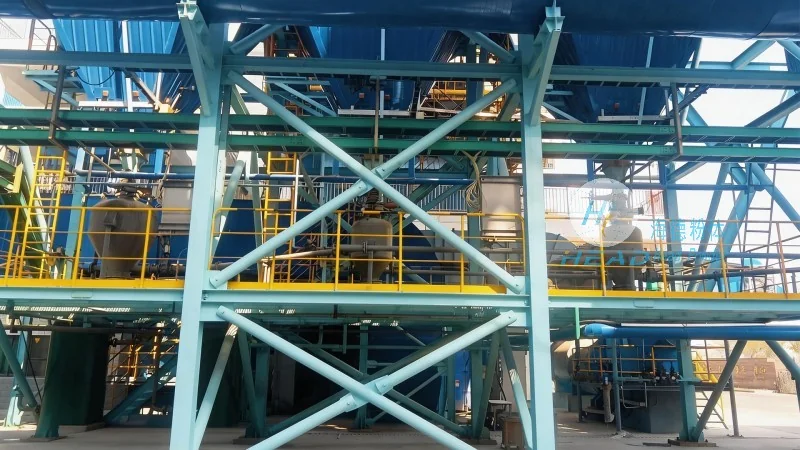
Pneumatic conveying, also known as pneumatic transport, is a method of moving bulk materials through a pipeline using air or other gas as the conveying medium. This technology has become increasingly popular in industries such as food processing, pharmaceuticals, and chemical manufacturing due to its ability to handle delicate materials like red beans without causing damage. The system typically consists of a source of air (usually a blower or compressor), a pipeline network, and a receiver where the material is deposited. The process involves creating a pressure differential within the system, which propels the material along the pipeline.
Key Components of a Pneumatic Conveying System
At the heart of any pneumatic conveying system are several critical components that work in tandem to ensure smooth operation. These include the air source, which provides the necessary pressure and flow rate; the material feed hopper, which holds the red beans and allows for controlled discharge; the conveying line, which can be either positive pressure or negative pressure systems; and the receiver, which collects the conveyed material. Additionally, components such as cyclones, filters, and silos may be integrated to enhance system performance and ensure material purity. Each component plays a vital role in maintaining the efficiency and effectiveness of the entire system.
Working Principle of Pneumatic Conveying for Red Beans
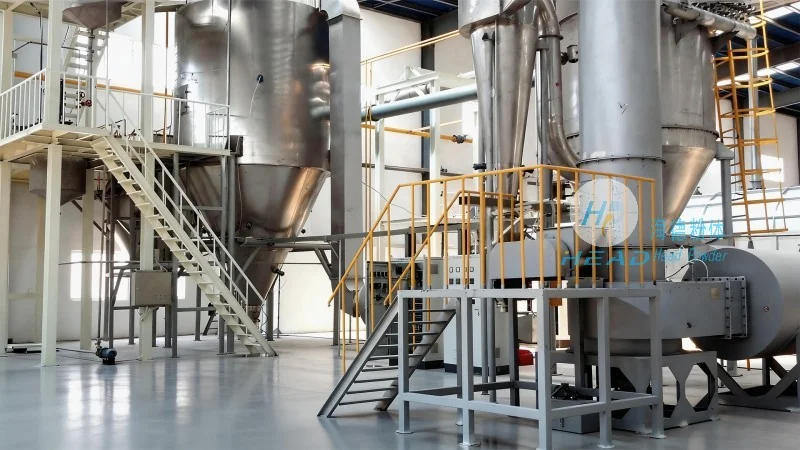
The working principle of a pneumatic conveying system for red beans involves several key steps. First, the red beans are fed into the system from the material hopper. The air source then generates a flow of air that moves through the conveying line. In a positive pressure system, the air is forced into the line, carrying the red beans along with it. In a negative pressure system, the air is drawn out of the line, creating a vacuum that pulls the material in. The air velocity within the pipeline must be carefully controlled to prevent material degradation or blockages. The system is designed to maintain a consistent flow rate, ensuring that the red beans are transported safely and efficiently to the receiver. This method not only reduces the risk of contamination but also minimizes the need for manual handling, improving overall operational safety and productivity.
Benefits of Using Pneumatic Conveying for Red Bean Processing
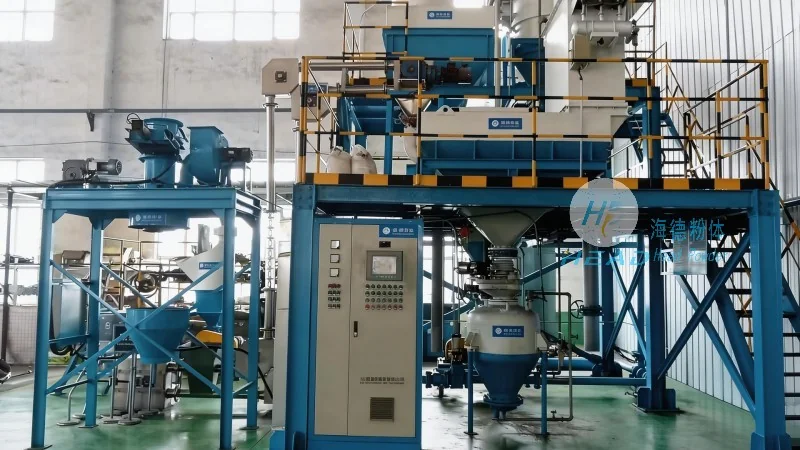
Implementing pneumatic conveying systems for red bean processing offers numerous advantages. One of the primary benefits is the ability to handle delicate materials without causing breakage or damage, which is essential for maintaining the quality and integrity of the product. The system also provides a hygienic and enclosed environment, reducing the risk of contamination from external sources. Additionally, pneumatic conveying can significantly improve operational efficiency by automating the material handling process, reducing labor costs and increasing throughput. The flexibility of the system allows for easy integration with existing processing lines, making it a cost-effective solution for businesses looking to upgrade their material handling capabilities. Furthermore, the system's ability to handle various particle sizes and moisture content makes it versatile for different red bean products, from whole beans to processed forms.
Applications in Red Bean Processing Industries
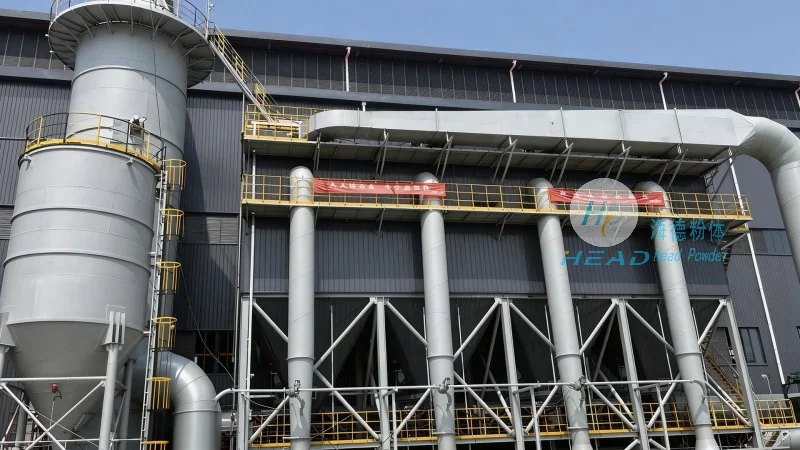
Pneumatic conveying systems are widely used in various stages of red bean processing, from raw material handling to finished product packaging. In the initial stages, the system can be used to transport raw red beans from storage silos to processing facilities, ensuring a continuous supply of material. During processing, the system can convey red beans to grinding or milling equipment, where they are transformed into flour or other products. The system is also effective in transporting processed red beans to packaging lines, where they are packaged for distribution. The versatility of pneumatic conveying makes it suitable for both small-scale and large-scale operations, catering to the diverse needs of the red bean processing industry. By streamlining the material handling process, businesses can enhance their overall operational efficiency and product quality.
Conclusion: The Role of Pneumatic Conveying in Red Bean Handling
In conclusion, pneumatic conveying systems represent a sophisticated and efficient solution for handling red beans in various processing applications. The technology's ability to maintain material integrity, ensure hygienic conditions, and improve operational efficiency makes it a preferred choice for many businesses. As a leading provider in the field, Shandong HeadPowder Engineering Co., Ltd. specializes in designing and manufacturing customized pneumatic conveying systems tailored to the specific needs of red bean processing operations. With operations based in Shandong, China, the company leverages its expertise to deliver high-quality solutions that enhance the productivity and profitability of its clients. By understanding the working principles and benefits of pneumatic conveying, businesses can make informed decisions about implementing this technology to optimize their red bean handling processes.