

Introduction to Titanium Dioxide Powder Pneumatic Conveying and the Working Principle of Pneumatic C
HeadPowder, a leading engineering firm based in Shandong, China, specializes in the design and implementation of advanced material handling solutions. This article provides an overview of pneumatic conveying systems, with a specific focus on their application in the transportation of titanium dioxide powder. Understanding the working principles and benefits of such systems is crucial for industries relying on efficient and reliable powder handling processes.
Pneumatic Conveying Systems: An Overview
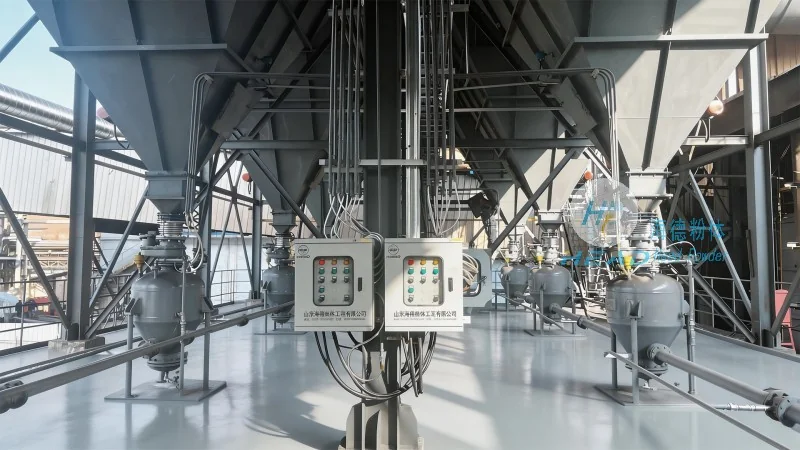
Pneumatic conveying systems are mechanical devices that use pressurized air or vacuum to transport bulk materials, such as powders and granules, from one location to another. These systems are widely used across various industries, including chemical, pharmaceutical, food, and mining, due to their flexibility, scalability, and ability to handle a wide range of materials. The core components of a typical pneumatic conveying system include a material feed hopper, a conveyor line (often equipped with ducts or pipes), a control system, and a discharge unit. The system operates by either blowing air under pressure (positive pressure system) or creating a vacuum (negative pressure system) to move the material through the system.
The Working Principle of Pneumatic Conveying for Titanium Dioxide Powder
When applied to titanium dioxide powder, a fine and often abrasive material, the pneumatic conveying system must be designed to handle the specific characteristics of the powder. Titanium dioxide is commonly used as a pigment in coatings, plastics, and cosmetics, and its efficient transport is essential for maintaining product quality and minimizing material loss. The working principle involves feeding the titanium dioxide powder into the system's hopper, where it is then drawn or pushed through the conveyor line by the air flow. The system's design, including the size and shape of the ducts, the velocity of the air, and the pressure differentials, is critical in ensuring that the powder is conveyed smoothly without clogging or degradation. For example, in a positive pressure system, compressed air is introduced at the discharge end, creating a pressure gradient that propels the powder forward. Conversely, in a negative pressure system, a vacuum is created at the discharge end, pulling the powder through the system. The choice between these systems depends on factors such as the material's properties, the distance to be covered, and the desired level of containment.
Key Components and Their Roles in Titanium Dioxide Powder Conveying
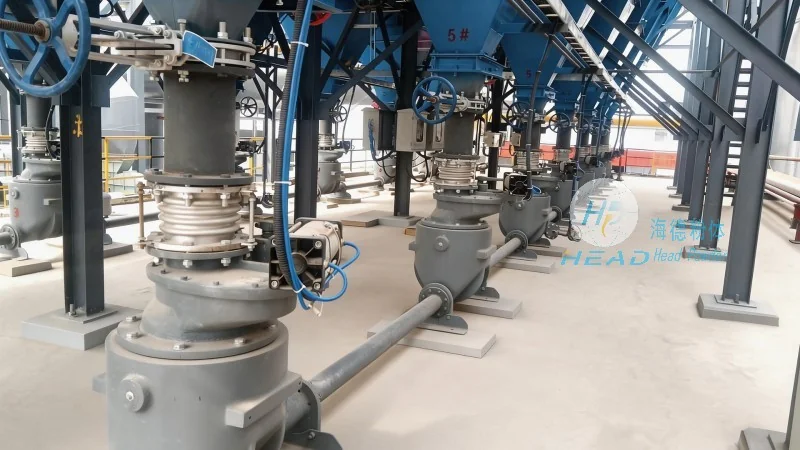
Several key components are integral to the effective operation of a pneumatic conveying system for titanium dioxide powder. The material feed hopper is designed to store and meter the powder into the system, ensuring a consistent flow rate. This component often includes a feeder mechanism, such as a rotary valve or a screw feeder, which controls the amount of powder entering the conveyor line. The conveyor line itself is typically made of materials resistant to corrosion and abrasion, such as stainless steel or special plastics, to withstand the abrasive nature of titanium dioxide powder. The ducts or pipes are sized and shaped to maintain the appropriate air velocity, which is crucial for preventing particle segregation and ensuring uniform flow. The control system monitors and adjusts the air pressure or vacuum levels, as well as the feed rate, to maintain optimal performance. Finally, the discharge unit collects the powder at the end of the conveyor line, often using a cyclone separator or a filter to separate the powder from the air stream and direct it to the final destination.
Advantages of Pneumatic Conveying for Titanium Dioxide Powder Handling
Implementing a pneumatic conveying system for titanium dioxide powder offers several advantages over traditional methods, such as bucket elevators or belt conveyors. One of the primary benefits is the ability to handle fine powders without the need for mechanical contact, which reduces the risk of contamination and product degradation. Pneumatic systems also provide better containment, as the material is enclosed within the ducts, minimizing dust emissions and improving workplace safety. Additionally, these systems are highly flexible, allowing for changes in the conveying route or capacity without major modifications. The scalability of pneumatic conveying systems makes them suitable for both small-scale and large-scale operations, making them a versatile solution for various production needs. Furthermore, the energy efficiency of modern pneumatic systems, particularly when using high-efficiency blowers and optimized duct designs, can lead to significant cost savings over time.
Considerations for Designing a Pneumatic Conveying System for Titanium Dioxide Powder
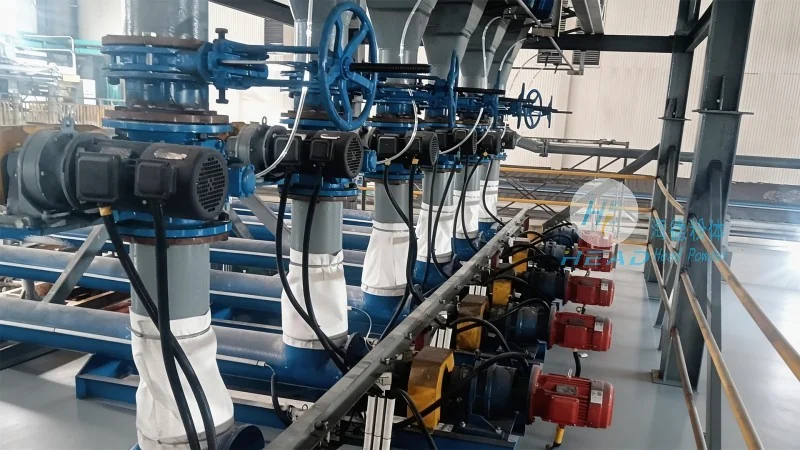
Designing an effective pneumatic conveying system for titanium dioxide powder requires careful consideration of several factors to ensure optimal performance and longevity. First, the material properties of the titanium dioxide powder, such as its particle size distribution, density, and flowability, must be thoroughly analyzed. These properties influence the system's design, including the air velocity required to prevent clogging and the size of the ducts needed to maintain efficient flow. Second, the distance and layout of the conveying route must be considered, as the system's pressure drop and energy consumption increase with longer distances and more complex routes. The choice of system type—positive or negative pressure—also depends on these factors, as well as the need for containment and the presence of other materials in the environment. Third, the system's integration with existing production processes is crucial, as it must be compatible with the feed and discharge points of the titanium dioxide powder handling operations. Finally, regular maintenance and monitoring are essential to ensure the system operates efficiently and to prevent issues such as clogging or wear and tear, which can impact performance and product quality.
Conclusion
In conclusion, pneumatic conveying systems are a highly effective and versatile solution for the transportation of titanium dioxide powder. By understanding the working principles and key components of such systems, industries can optimize their material handling processes, improve product quality, and enhance operational efficiency. HeadPowder, with its expertise in engineering and material handling solutions, offers tailored pneumatic conveying systems that meet the specific needs of titanium dioxide powder applications. Whether for small-scale or large-scale operations, these systems provide reliable and efficient transport, contributing to the overall success of production processes in the chemical and related industries.