

Introduction to Aluminum Dross Pneumatic Conveying and Principles of Pneumatic Conveying Systems
Aluminum dross, a byproduct of aluminum smelting and processing, presents significant handling challenges due to its abrasive properties and variable particle sizes. Efficient material transport is crucial for maintaining operational efficiency in aluminum production facilities. Pneumatic conveying systems have become a preferred solution for handling aluminum dross, offering a flexible and effective method to move this material within a plant.
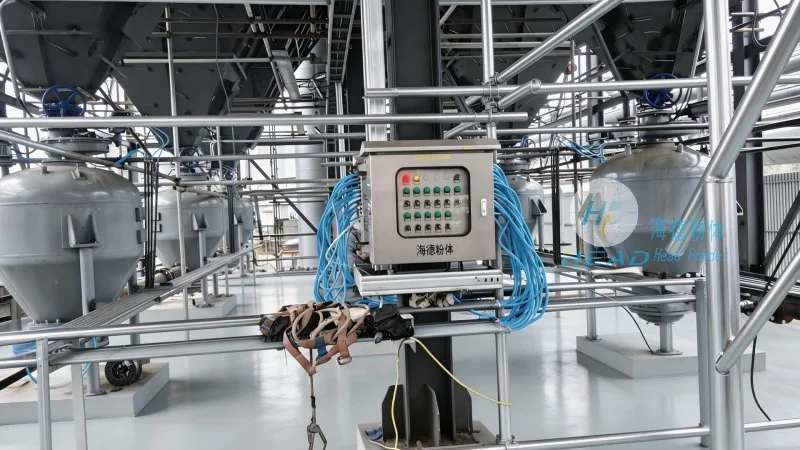
Understanding Aluminum Dross and Its Handling Requirements
Aluminum dross forms during the melting and casting of aluminum, consisting of a mixture of metal, slag, and impurities that range from fine powders to larger chunks. The abrasive nature of aluminum dross makes traditional conveying methods like belt or screw conveyors prone to wear and tear. Pneumatic conveying, however, uses compressed air to transport the material, minimizing direct contact and reducing equipment wear.
The Working Principle of Pneumatic Conveying Systems
Pneumatic conveying systems operate by utilizing compressed air to create a flow of material through a pipeline. The system typically includes a hopper for material storage, a feeder to control flow rate, a conveying line, and a receiver at the destination. The process starts with aluminum dross fed into the hopper. The feeder releases material into the line, where it is suspended and transported by the air stream. At the receiving end, the material is deposited into a container or processing unit.
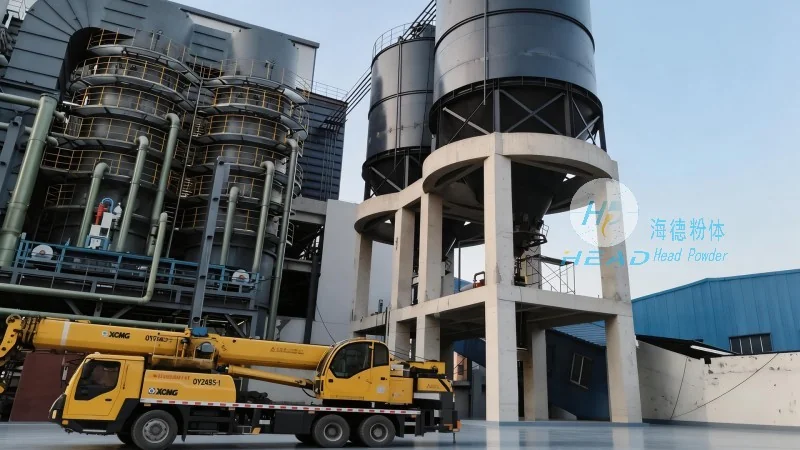
Key Components of a Pneumatic Conveying System for Aluminum Dross
Essential components for aluminum dross pneumatic conveying include the material hopper (for storage and feeding), a feeder (to regulate flow), an air compressor (to generate compressed air), the conveying line (for transport), and a receiver (to collect material). Each component plays a critical role in ensuring smooth and efficient operation.
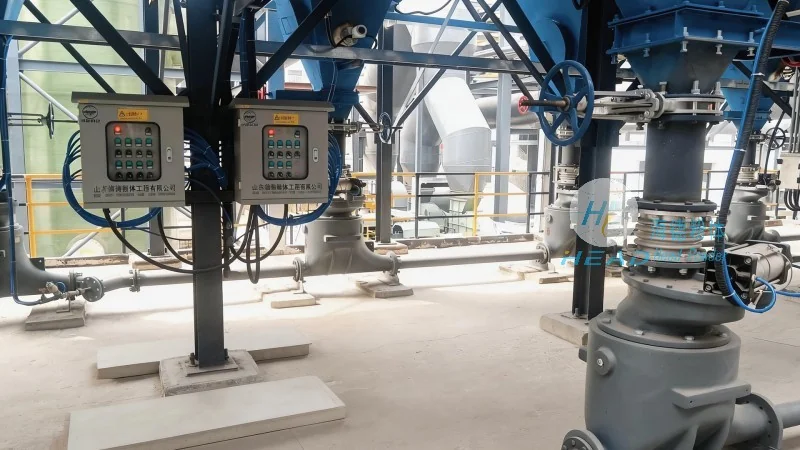
Advantages of Pneumatic Conveying for Aluminum Dross
Pneumatic conveying offers several benefits for aluminum dross handling. It provides a dust-free, enclosed transport process, maintaining a clean and safe environment. The system is highly flexible, allowing route or capacity changes without major modifications. It minimizes material degradation and loss, as the material avoids mechanical stress. Additionally, it can handle diverse particle sizes and moisture content, making it suitable for various dross compositions.
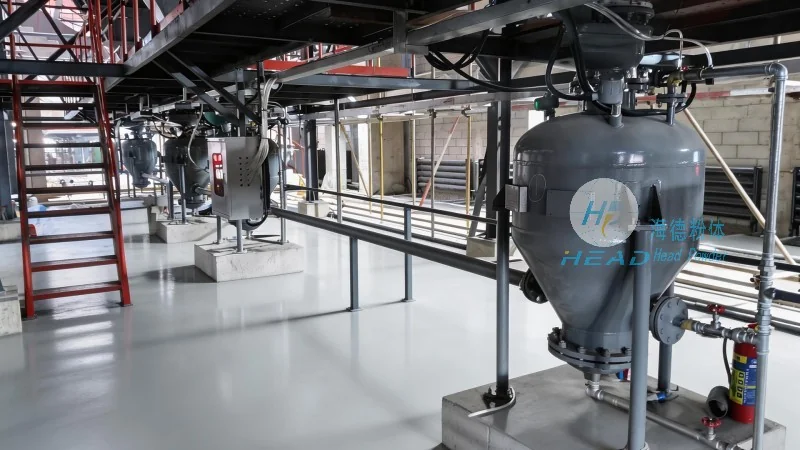
Applications in Aluminum Production
Pneumatic conveying systems are widely used in aluminum production for tasks such as transporting dross from the melting furnace to processing units, or from storage hoppers to equipment like dross crushers. The flexibility allows integration into existing production lines, enhancing overall efficiency.
Conclusion: Pneumatic Conveying in Aluminum Dross Management
In summary, pneumatic conveying systems are vital for aluminum dross management in aluminum production facilities. They offer an efficient, reliable, and flexible method of material transport, improving operational efficiency, reducing downtime, and maintaining a safe working environment. The use of pneumatic conveying addresses the unique challenges of handling abrasive and variable materials effectively.