

Introduction to Corn Kernels Pneumatic Conveying and the Working Principle of Pneumatic Conveying Sy
For industrial applications involving the handling of bulk materials like corn kernels, efficient and reliable material transport is crucial. Pneumatic conveying systems have emerged as a sophisticated solution, offering a seamless method to move granular materials through pipelines using air pressure. This article provides an overview of corn kernels pneumatic conveying, detailing the fundamental principles behind such systems and their practical applications in material handling processes, with a focus on solutions offered by Shandong HeadPowder Engineering Co., Ltd., a leading provider of pneumatic conveying systems based in Shandong, China.
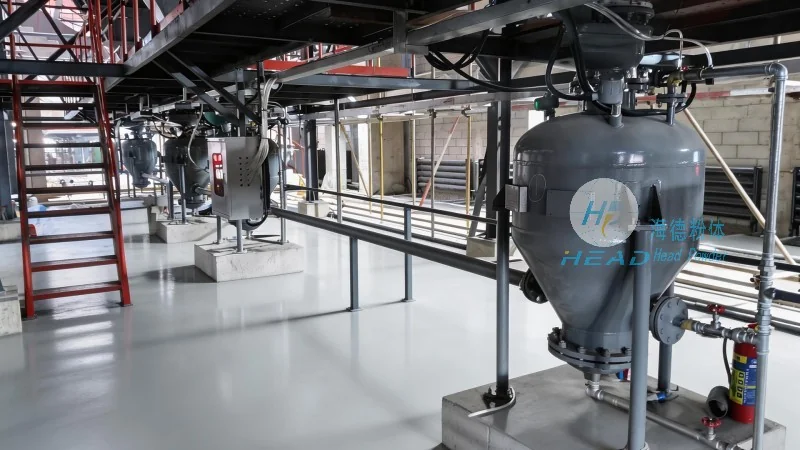
Pneumatic Conveying: A Brief Overview
Pneumatic conveying, also known as air conveying, is a technology that utilizes compressed air or gas to transport solid materials through a closed pipeline system. Unlike traditional mechanical conveyors, which rely on mechanical components like belts or screws, pneumatic systems use the force of air to move materials, making them particularly suitable for handling delicate or abrasive products such as corn kernels. The core components of a pneumatic conveying system typically include a material feed hopper, a blower or air compressor, a pipeline network, and a discharge device. The system operates by drawing material from the hopper and injecting it into the pipeline, where it is carried by the flowing air to the destination point.
The Working Principle of Corn Kernels Pneumatic Conveying
When it comes to corn kernels, the pneumatic conveying process involves several key steps. First, the corn kernels are fed into a hopper, which serves as the initial storage and feeding unit. The hopper is equipped with a valve or feeder mechanism that controls the flow rate of the material into the pipeline. Simultaneously, a blower generates a flow of compressed air, which is introduced into the pipeline at a specific pressure and velocity. The air flow creates a suction or pressure differential that lifts the corn kernels and propels them through the pipeline. The design of the pipeline, including the diameter, length, and bends, is critical to ensure efficient transport without excessive pressure drop or material degradation. The discharge device at the end of the pipeline then separates the corn kernels from the air, allowing the material to be deposited at the desired location.
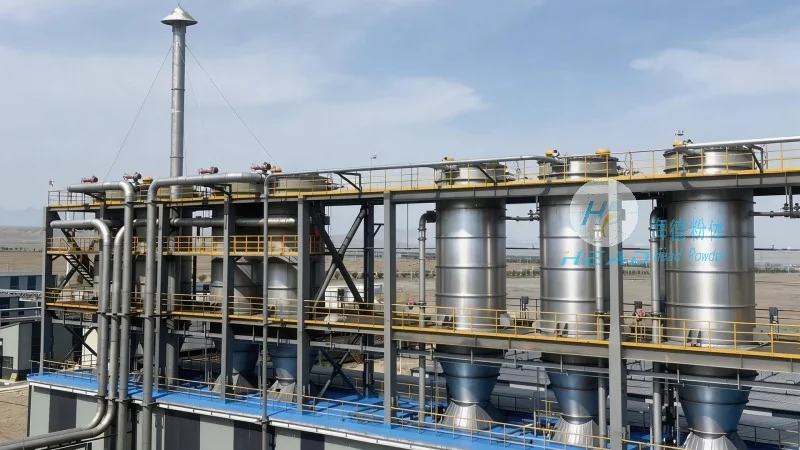
Advantages of Pneumatic Conveying for Corn Kernels
Implementing pneumatic conveying systems for corn kernels offers several advantages over traditional methods. One of the primary benefits is the ability to handle delicate or sticky materials without causing damage or degradation. Corn kernels are susceptible to breakage or bruising when subjected to mechanical stress, and pneumatic systems minimize such risks by using air to transport the material. Additionally, pneumatic conveying systems are highly flexible, allowing for changes in material flow rates and destinations without the need for extensive reconfiguration. They also provide a closed system, which helps maintain product quality and prevents contamination from external sources. The systems are also relatively compact, requiring less floor space compared to large mechanical conveyors, making them suitable for facilities with limited space. Furthermore, pneumatic conveying can be integrated with other processing equipment, such as cleaning or sorting machines, creating a seamless material handling workflow.
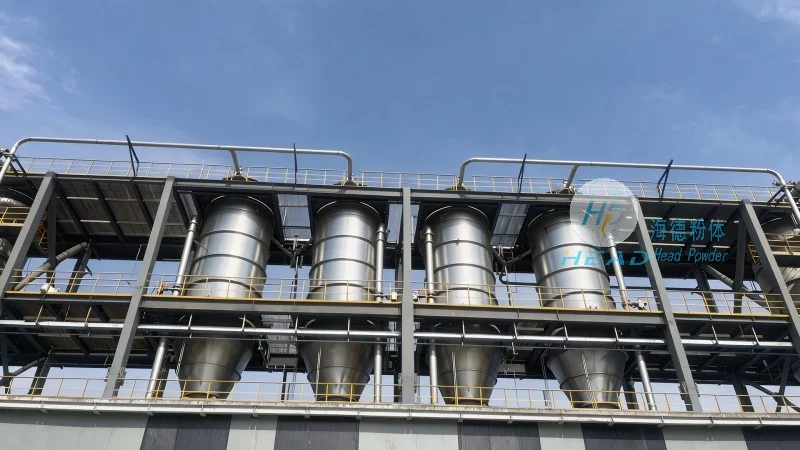
Key Components of a Corn Kernels Pneumatic Conveying System
Understanding the components of a pneumatic conveying system is essential for optimizing its performance. The main components include the material feeder, which controls the flow of corn kernels into the system; the air compressor or blower, which provides the necessary air pressure and flow rate; the pipeline network, which transports the material; and the separation equipment, which removes the corn kernels from the air stream. The material feeder is typically a screw or rotary valve that ensures a consistent flow rate, preventing blockages or uneven material distribution. The air compressor is responsible for generating the required pressure, usually ranging from 5 to 15 psi for low-pressure systems or up to 100 psi for high-pressure systems. The pipeline network is made of materials such as stainless steel or plastic, chosen based on the material being conveyed and the system's operating conditions. The separation equipment, often a cyclone or bag filter, uses centrifugal force to separate the corn kernels from the air, ensuring that the material is collected efficiently and the air is filtered before release.
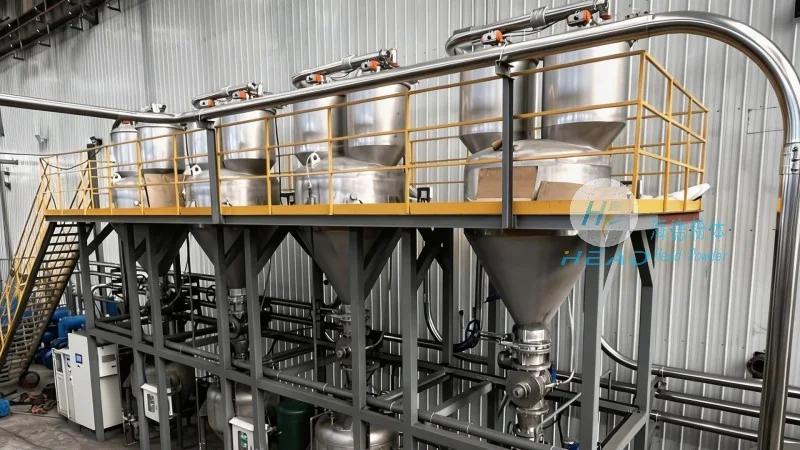
Applications of Corn Kernels Pneumatic Conveying
Corn kernels pneumatic conveying systems are widely used in various industries, including food processing, animal feed production, and biofuel manufacturing. In food processing, these systems are employed to transport corn kernels from storage silos to processing lines, such as for milling or drying. The ability to handle large volumes of corn kernels efficiently makes pneumatic systems ideal for high-throughput operations. In animal feed production, the systems are used to convey corn kernels to feed mills, where they are combined with other ingredients to produce animal feed. The closed system helps maintain the quality of the feed by preventing contamination from dust or moisture. In biofuel production, corn kernels are conveyed to ethanol plants, where they are processed into bioethanol. The pneumatic system ensures that the material is transported safely and efficiently, minimizing the risk of fire or explosion in the plant.
Considerations for Designing a Corn Kernels Pneumatic Conveying System
Designing an effective corn kernels pneumatic conveying system requires careful consideration of several factors. The first consideration is the material characteristics of the corn kernels, including their size, shape, and moisture content. These factors affect the flow rate and pressure requirements of the system. For example, larger or irregularly shaped kernels may require higher air velocities to prevent blockages. The second consideration is the system's capacity, which is determined by the desired throughput rate. The system must be sized to handle the required volume of corn kernels without excessive pressure drop or energy consumption. The third consideration is the system's layout, including the length and number of bends in the pipeline. The layout should be optimized to minimize pressure losses and ensure smooth material flow. The fourth consideration is the environmental conditions, such as temperature and humidity, which can affect the material's properties and the system's performance. Proper insulation and moisture control measures may be necessary to maintain the system's efficiency and prevent material degradation.