

Introduction to Ceramic Particle Pneumatic Conveying and the Working Principle of Pneumatic Conveyin
Pneumatic conveying systems are widely used in industrial applications for transporting various materials, including ceramic particles. The process involves using air or other gases to move solid particles through a pipeline. For ceramic materials, which are often fine and abrasive, specialized equipment and systems are required to ensure efficient and safe transport. This article provides an overview of ceramic particle pneumatic conveying, focusing on the fundamental principles and practical considerations for implementing such systems.
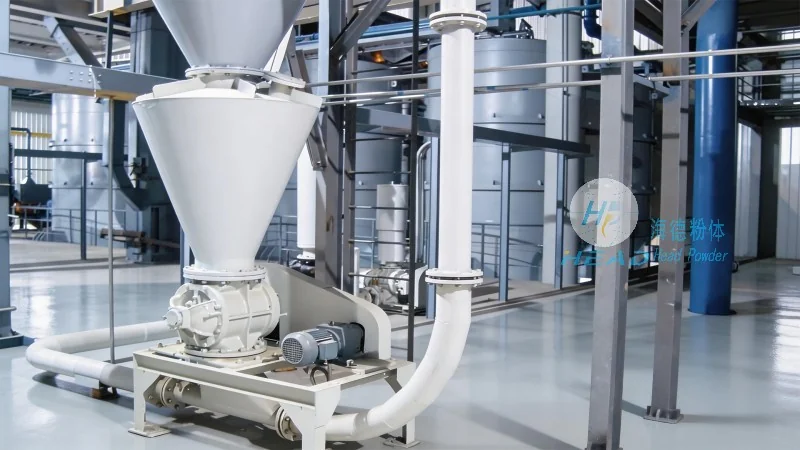
Understanding the Working Principle of Pneumatic Conveying Systems
The core principle of pneumatic conveying is the use of pressure differentials to move materials. There are two main types of pneumatic conveying: pressure and vacuum systems. In pressure systems, compressed air is introduced at the material inlet, creating a high-pressure environment that propels the particles through the pipeline. Vacuum systems, on the other hand, use a vacuum pump to create a low-pressure zone at the outlet, drawing the material from the source into the pipeline. For ceramic particles, which may have varying sizes and densities, the system design must account for these characteristics to prevent blockages or degradation of the material.
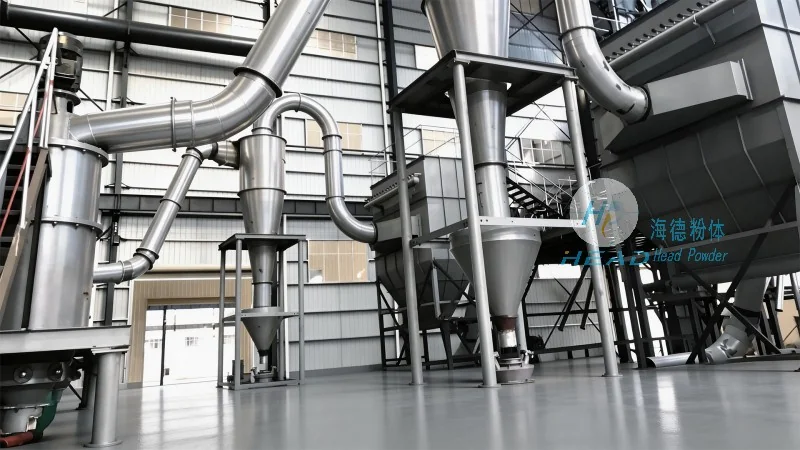
Key Components and Operation Mechanism
A typical pneumatic conveying system consists of several key components, including a material feeder, a conveying line, a separator, and a receiver. The material feeder is responsible for feeding the ceramic particles into the system at a controlled rate. The conveying line, often made of materials resistant to abrasion and corrosion (such as stainless steel or special plastics), transports the particles. The separator, which may be a cyclone or a filter, separates the particles from the air stream, allowing the air to be recycled or discharged. The receiver collects the conveyed ceramic particles for further processing. The operation mechanism involves the introduction of air at the inlet, which mixes with the ceramic particles, creating a slurry-like flow that moves through the pipeline under pressure or vacuum.
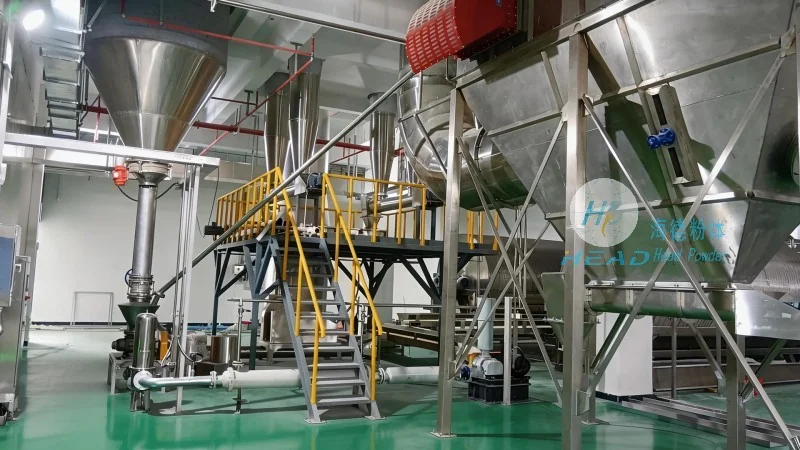
Application Scenarios and Benefits
Ceramic particle pneumatic conveying is used in a variety of industrial applications, such as the transportation of raw materials for ceramic manufacturing, the movement of finished ceramic products, and the handling of ceramic powders in research and development. The benefits of using pneumatic conveying for ceramic particles include improved efficiency compared to traditional methods like bucket elevators or belt conveyors, reduced risk of contamination, and the ability to handle fine or abrasive materials without damage. Additionally, pneumatic systems can be designed to operate in a closed loop, minimizing dust emissions and improving workplace safety.
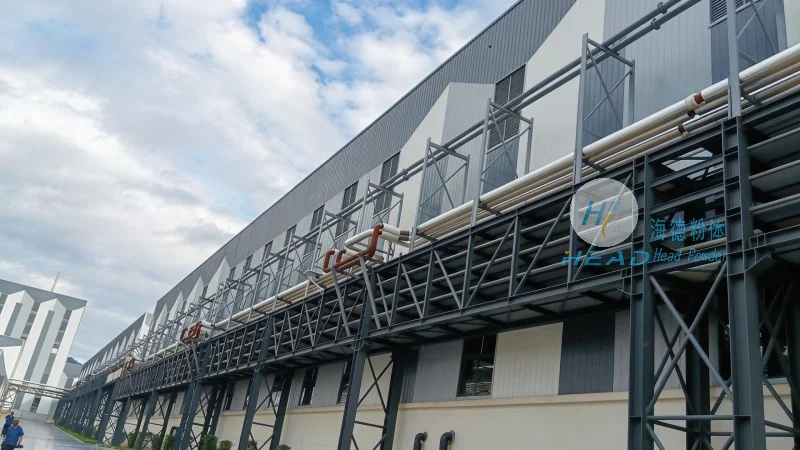
Company Profile: Shandong HeadPowder Engineering Co., Ltd.
Shandong HeadPowder Engineering Co., Ltd., commonly known as HeadPowder, is a leading provider of engineering solutions for material handling, particularly in the field of pneumatic conveying systems. The company specializes in designing, manufacturing, and installing customized pneumatic conveying systems tailored to the specific needs of clients, including those working with ceramic materials. HeadPowder's expertise lies in understanding the unique challenges of handling ceramic particles, such as their fine size, high density, and abrasive nature, and developing solutions that ensure efficient, reliable, and safe transport. The company's facilities are located in Shandong, China, where it leverages advanced technology and a skilled workforce to deliver high-quality products and services to customers worldwide.