

Introduction to Coal Coke Particle Pneumatic Conveying and the Working Principle of Pneumatic Convey
Coal coke particle pneumatic conveying represents a critical technology in the realm of material handling, particularly for the efficient transport of bulk solid materials. This method leverages air or gas as the primary medium to move coal coke particles through a pipeline system, offering distinct advantages such as high operational efficiency, flexible deployment, and the ability to handle materials across diverse industrial applications. A thorough comprehension of the working principle of pneumatic conveying systems is indispensable for optimizing material transport processes within industries like steel production, power generation, and chemical manufacturing.
Company Overview: HeadPowder Engineering
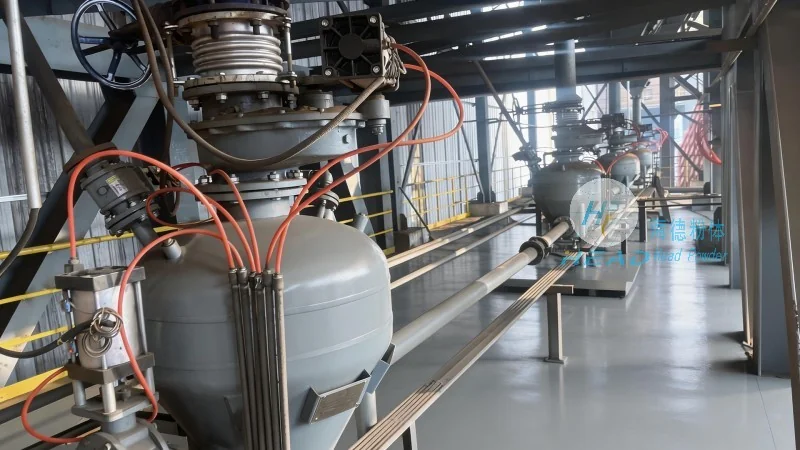
HeadPowder Engineering, a prominent provider of material handling solutions, specializes in the design, fabrication, and installation of pneumatic conveying systems. With a strong operational presence in China, particularly in the Shandong province, the company has solidified its position as a trusted partner for industries requiring reliable and efficient coal coke particle transport solutions. HeadPowder Engineering integrates advanced engineering expertise with practical application insights to deliver customized pneumatic conveying systems tailored to specific operational requirements.
The Working Principle of Pneumatic Conveying Systems
Pneumatic conveying systems operate by establishing a pressure differential within a pipeline to facilitate the movement of solid particles. There are two primary categories of pneumatic conveying: pressure and vacuum systems. In pressure systems, a positive pressure is generated at the point of material introduction, pushing the coal coke particles through the pipeline. Conversely, vacuum systems create a negative pressure at the receiving end, drawing material from the source. For coal coke particles, which are typically large and abrasive, pressure systems are often favored due to their capacity to handle higher material loads and maintain consistent flow rates.
Key Components of Pneumatic Conveying Systems
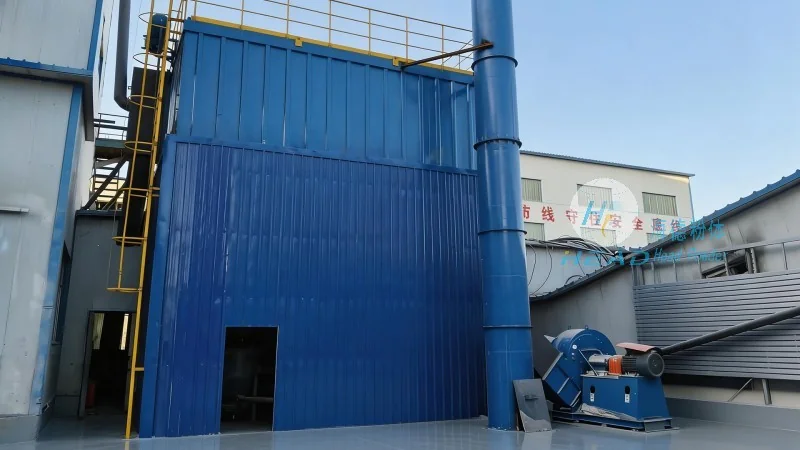
Effective pneumatic conveying of coal coke particles relies on several essential components. These include the material feed hopper, which stores and feeds the coal coke into the system; the conveying line, which transports the particles; and the receiving hopper, which collects the material at the destination. Additional critical components such as rotary valves, airlocks, and filters are vital for controlling material flow and maintaining system efficiency. The selection of these components is paramount, as they directly influence the performance and service life of the pneumatic conveying system.
Advantages of Pneumatic Conveying for Coal Coke
Implementing pneumatic conveying systems for coal coke offers numerous benefits. One of the most significant advantages is the ability to transport materials over extended distances without the need for multiple transfer points or intermediate storage, thereby reducing operational costs and enhancing overall process efficiency. Additionally, pneumatic conveying systems can accommodate a wide range of particle sizes and densities, making them suitable for various coal coke applications. The technology also minimizes material contamination and dust exposure, thereby improving workplace safety and compliance with environmental regulations.
Applications in Industrial Settings
Coal coke particle pneumatic conveying is widely utilized in industrial settings, especially within the steel and power industries. In steel production, coal coke serves as a fuel and reducing agent in blast furnaces, and pneumatic conveying systems ensure a steady supply of material to these furnaces. In power generation, coal coke is used as a fuel in boilers, and efficient transport is crucial for maintaining consistent power output. Other applications include chemical processing, where coal coke is used as a raw material, and in cement production, where it contributes to the fuel mix. The versatility of pneumatic conveying systems makes them adaptable to a variety of industrial processes.
Maintenance and Operational Considerations
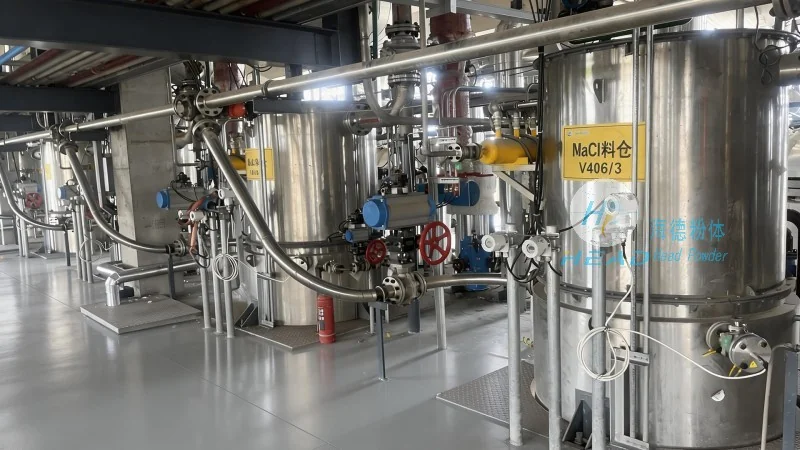
Proper maintenance is essential to ensure the longevity and efficiency of pneumatic conveying systems handling coal coke particles. Regular inspection of components such as rotary valves, airlocks, and filters is necessary to prevent clogging and maintain optimal performance. Abrasive materials like coal coke can cause wear on system components, so using durable materials and implementing preventive maintenance measures is crucial. Additionally, monitoring system pressure and flow rates helps identify potential issues early, reducing downtime and repair costs. HeadPowder Engineering provides comprehensive maintenance services to ensure that their pneumatic conveying systems operate at peak performance.
Conclusion
Coal coke particle pneumatic conveying is a vital technology for efficient material handling in industrial applications. By understanding the working principles and key components of pneumatic conveying systems, industries can optimize their material transport processes. HeadPowder Engineering, with its expertise and commitment to quality, offers reliable solutions for coal coke particle transport, helping businesses improve operational efficiency and reduce costs. As industries continue to seek more efficient and sustainable material handling methods, pneumatic conveying systems remain a preferred choice for transporting bulk solid materials like coal coke.