

Introduction to Chlorinated Polyethylene Pneumatic Conveying and the Working Principle of Pneumatic
This article provides an overview of chlorinated polyethylene (CPE) pneumatic conveying systems, detailing the fundamental principles behind their operation and the key aspects of material handling in such systems. As a specialized material, chlorinated polyethylene is widely used in various industrial applications due to its excellent chemical resistance, flexibility, and durability. Pneumatic conveying systems offer an efficient and reliable method for transporting CPE and other powders or bulk materials over short to medium distances within industrial facilities.
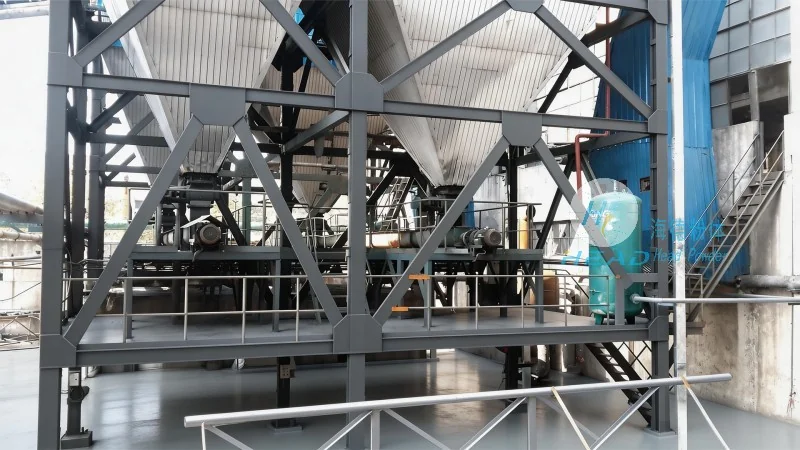
About Shandong HeadPowder Engineering Co., Ltd.
Shandong HeadPowder Engineering Co., Ltd., commonly known as HeadPowder, is a leading provider of engineering solutions and equipment for material handling systems. With a focus on innovation and quality, the company specializes in designing, manufacturing, and installing pneumatic conveying systems tailored to meet the specific needs of various industries. HeadPowder's expertise lies in delivering robust and efficient solutions for transporting bulk materials, including chlorinated polyethylene, ensuring optimal performance and reliability in industrial applications.
The Working Principle of Pneumatic Conveying Systems
Pneumatic conveying systems operate by using air or gas to transport bulk materials through a network of pipes. The process typically involves a combination of positive pressure (pressure pneumatic conveying) or negative pressure (vacuum pneumatic conveying) to move the material from the source to the destination. In the case of chlorinated polyethylene, the system must be designed to handle the material's properties, such as its density, particle size, and flow characteristics. The conveying process begins with the material being introduced into the system, often through a hopper or feeder, where it is then mixed with the air stream. The air velocity is carefully controlled to ensure that the material particles are suspended and transported efficiently without causing blockages or degradation of the material.
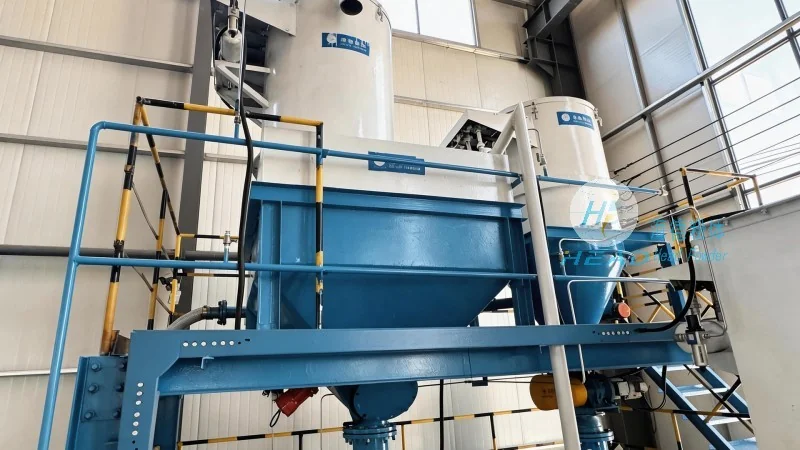
Key Components of a Pneumatic Conveying System
A typical pneumatic conveying system consists of several key components, including a feeder, a conveying line, a separator, and a receiver. The feeder is responsible for introducing the material into the system at a controlled rate, ensuring a consistent flow. The conveying line, made of appropriate materials to prevent corrosion or material buildup, transports the material and air mixture. The separator, often a cyclone or filter, separates the material from the air, allowing the material to be collected in the receiver while the air is either recirculated or discharged. Each component plays a critical role in the overall efficiency and effectiveness of the system, and proper selection and maintenance are essential for optimal performance.
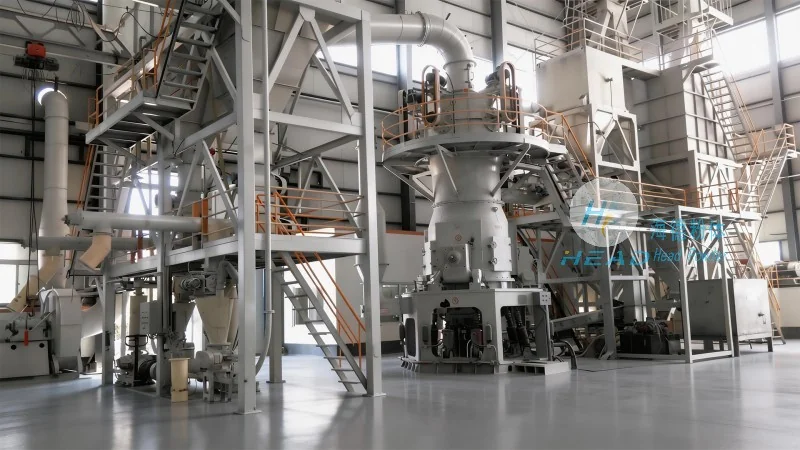
Applications of Chlorinated Polyethylene Pneumatic Conveying
Chlorinated polyethylene is widely used in industries such as construction, automotive, and manufacturing, where its chemical resistance and flexibility are advantageous. Pneumatic conveying systems are particularly suitable for transporting CPE in these industries due to the material's properties and the need for efficient material handling. For example, in the construction industry, CPE is used in the production of roofing membranes and other building materials, and pneumatic conveying systems help in transporting the material from storage to processing facilities. In the automotive industry, CPE is used in the manufacturing of seals and gaskets, and the system ensures that the material is delivered to the production lines without any loss or contamination.
Why Choose HeadPowder for Your Pneumatic Conveying Needs
When it comes to pneumatic conveying systems for chlorinated polyethylene, Shandong HeadPowder Engineering Co., Ltd. offers comprehensive solutions tailored to the unique requirements of each client. With years of experience and a commitment to quality, HeadPowder provides expert design, manufacturing, and installation services. The company's team of engineers and technicians works closely with clients to understand their specific needs and develop customized systems that ensure efficient material handling, minimal downtime, and long-term reliability. By choosing HeadPowder, clients can benefit from the company's expertise and dedication to delivering high-performance pneumatic conveying systems that meet the highest standards of quality and efficiency.