

Introduction to Polyacrylamide Pneumatic Conveying and the Working Principle of Pneumatic Conveying
Understanding the fundamentals of polyacrylamide pneumatic conveying is crucial for industries that rely on efficient material handling solutions. This article provides an overview of how polyacrylamide is conveyed using pneumatic systems, alongside a detailed explanation of the working principles that underpin such operations.
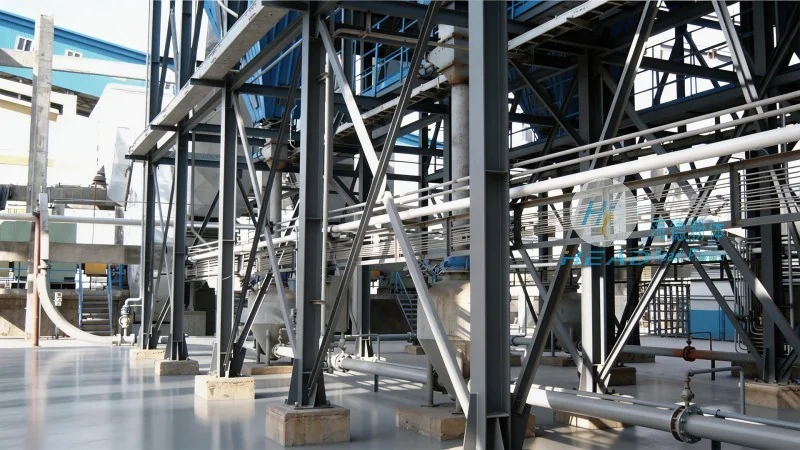
Polyacrylamide: A Key Material in Pneumatic Conveying
Polyacrylamide is a water-soluble polymer widely used in various industrial applications, including water treatment, paper manufacturing, and mineral processing. Its unique properties, such as high viscosity and excellent flocculation capabilities, make it an ideal material for pneumatic conveying systems. The ability to transport polyacrylamide efficiently is essential for maintaining production efficiency and minimizing downtime in processing facilities.
The Core Components of a Pneumatic Conveying System
A pneumatic conveying system typically consists of several key components that work in tandem to transport materials like polyacrylamide. These components include a hopper or feeder for material storage and feeding, a conveying line (often made of metal or plastic pipes), a blower or air compressor to generate the necessary air pressure, and a receiver or collection tank to deposit the conveyed material. Each component plays a critical role in ensuring the smooth and reliable operation of the system.
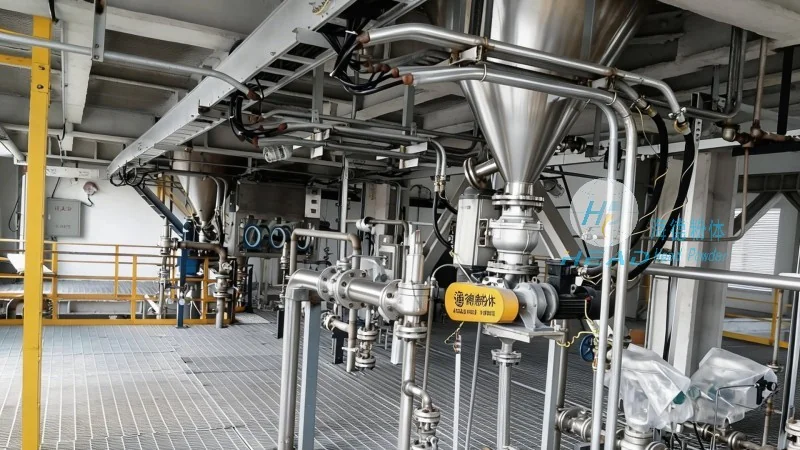
How Pneumatic Conveying Works: The Working Principle
The working principle of a pneumatic conveying system involves the use of compressed air to create a flow that transports the material through the conveying line. There are two main types of pneumatic conveying systems: dilute-phase and dense-phase. Dilute-phase systems use low air velocity and high air-to-material ratios, making them suitable for short-distance and low-volume applications. Dense-phase systems, on the other hand, use higher air velocity and lower air-to-material ratios, which are ideal for longer distances and higher material loads.
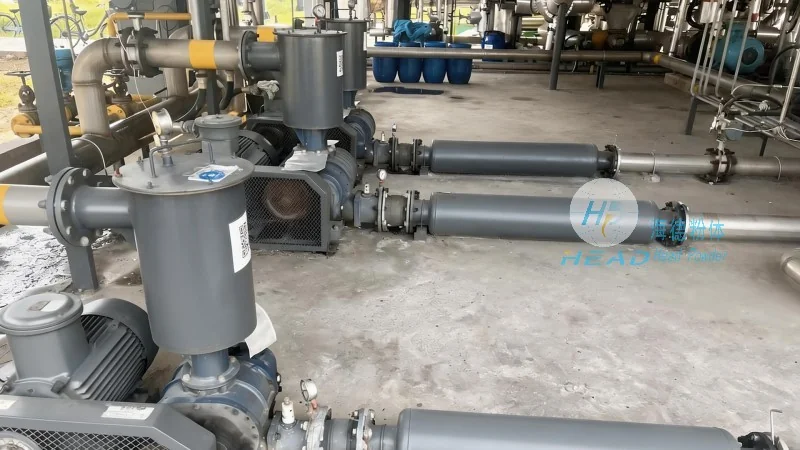
Advantages of Using Pneumatic Conveying for Polyacrylamide
Employing pneumatic conveying for polyacrylamide offers several advantages over traditional methods like belt conveyors or bucket elevators. These benefits include reduced risk of material contamination, as the material is enclosed within the conveying line, preventing exposure to external elements. Additionally, pneumatic systems can handle fine powders and granules without clogging, which is particularly important for polyacrylamide due to its granular or powder form. The flexibility of pneumatic conveying also allows for easy integration into existing production lines, minimizing the need for extensive modifications.
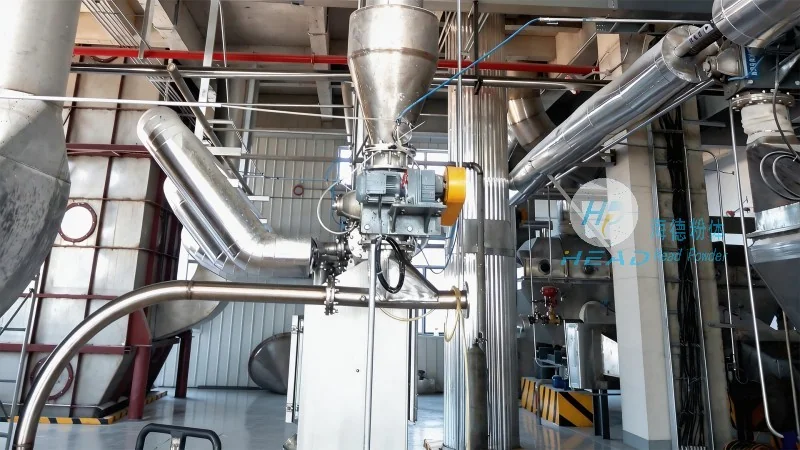
Applications in Industrial Settings
Pneumatic conveying systems equipped with polyacrylamide are commonly used in industries such as water treatment plants, where polyacrylamide is used as a coagulant to remove suspended solids from wastewater. In the paper industry, polyacrylamide is used to improve paper quality and strength, and pneumatic conveying facilitates the transport of these materials between processing stages. The mineral processing industry also benefits from pneumatic conveying, as it allows for the efficient transport of polyacrylamide used in ore flotation and filtration processes.
Ensuring System Efficiency and Reliability
To ensure the efficiency and reliability of a polyacrylamide pneumatic conveying system, regular maintenance and proper operation are essential. This includes monitoring air pressure and flow rates, checking for any blockages or leaks in the conveying line, and maintaining the condition of the blower or air compressor. Proper calibration of the feeder and hopper is also crucial to prevent overfeeding or underfeeding, which can lead to system inefficiencies or material waste. By adhering to these best practices, industries can maximize the performance of their pneumatic conveying systems and ensure consistent material handling.