

Introduction to Thermoplastic Polyurethane Pneumatic Conveying and the Working Principle of Pneumati
Thermoplastic polyurethane (TPU) pneumatic conveying systems represent a sophisticated solution for material handling in various industrial applications. This overview will explore the fundamental aspects of TPU-based pneumatic conveying, including its working principles and the key components that enable efficient material transport. The discussion will also highlight the technical advantages and practical applications of such systems, providing a comprehensive understanding for industry professionals seeking reliable material handling solutions.
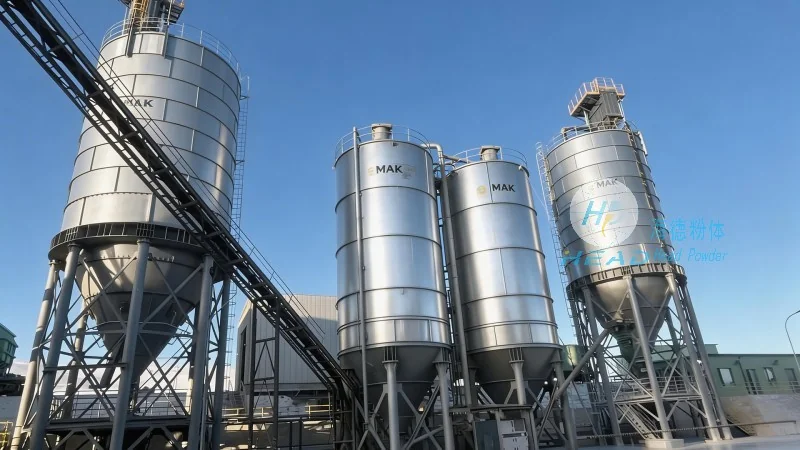
Company Profile: Shandong HeadPowder Engineering Co., Ltd.
Shandong HeadPowder Engineering Co., Ltd., commonly known as HeadPowder, is a leading manufacturer and supplier of advanced pneumatic conveying systems. With a strong focus on innovation and quality, the company has established itself as a trusted partner in the material handling industry. HeadPowder specializes in designing and manufacturing customized solutions tailored to meet the specific needs of clients across diverse sectors, including pharmaceuticals, food processing, chemicals, and more. The company's headquarters is located in Shandong, China, where it leverages local resources and expertise to deliver high-performance products and services.
What is Thermoplastic Polyurethane (TPU) Pneumatic Conveying?
Thermoplastic polyurethane is a versatile polymer known for its excellent flexibility, abrasion resistance, and chemical stability. In pneumatic conveying systems, TPU is utilized as a key component, often in the form of flexible hoses or tubing. These TPU hoses are designed to withstand the rigors of continuous material transport, offering durability and reliability under demanding operational conditions. The use of TPU in pneumatic conveying systems enhances the overall efficiency and longevity of the equipment, making it an ideal choice for industries that require consistent and high-quality material handling.
The Working Principle of Pneumatic Conveying Systems
Pneumatic conveying systems operate by using air or other gases to transport bulk materials from one location to another. The process typically involves a series of components, including a material feed hopper, a conveying line (often made of TPU), a control valve, and a discharge point. The system works by creating a pressure differential between the inlet and outlet of the conveying line. When the system is activated, air is introduced into the line, creating a flow that draws the material from the hopper and propels it through the TPU hose to the desired destination. The speed and pressure of the air can be adjusted to control the flow rate and ensure optimal material transport.
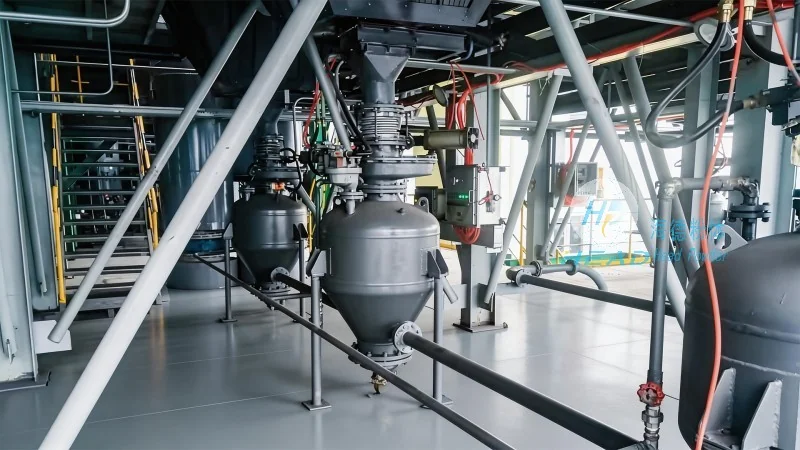
Key Components of a TPU Pneumatic Conveying System
A TPU pneumatic conveying system consists of several critical components that work in harmony to achieve efficient material handling. The primary components include the material feed hopper, which holds the bulk material and regulates its flow into the system. The conveying line, made from high-quality thermoplastic polyurethane, serves as the main pathway for material transport. The control valve, often an air-operated device, manages the air pressure and flow rate, ensuring precise control over the conveying process. Additionally, the system may include a filter or separator to remove any debris or dust from the material, maintaining product purity. The discharge point, such as a silo or storage container, receives the material at the end of the conveying line.
Advantages of TPU Pneumatic Conveying
Thermoplastic polyurethane-based pneumatic conveying systems offer numerous advantages over traditional material handling methods. One of the most significant benefits is the flexibility and durability of TPU hoses, which can withstand repeated flexing and abrasion without compromising performance. This flexibility allows for easier installation and adaptation to various layouts, reducing the need for rigid metal piping. Additionally, TPU is resistant to many chemicals and environmental factors, ensuring long-term reliability in diverse industrial settings. The systems also provide a clean and hygienic method of material transport, which is particularly important in industries like food and pharmaceuticals where product contamination must be minimized. Furthermore, TPU pneumatic conveying systems can handle a wide range of materials, from fine powders to bulk solids, making them versatile solutions for various applications.
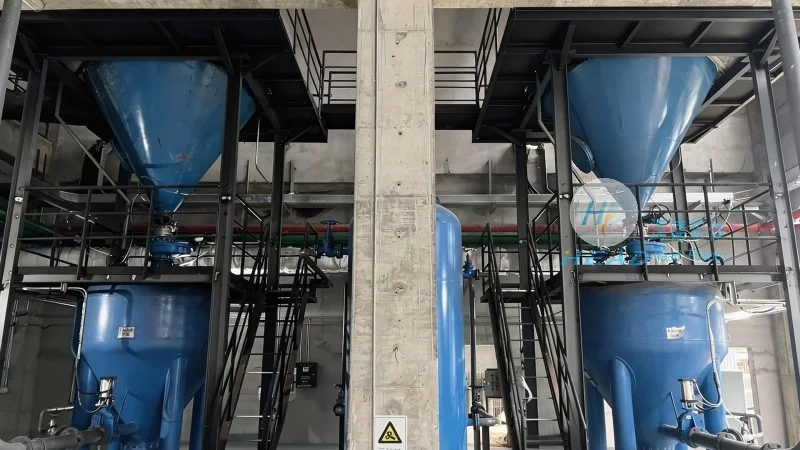
Applications of TPU Pneumatic Conveying Systems
The versatility of TPU pneumatic conveying systems makes them suitable for a wide range of industrial applications. In the pharmaceutical industry, these systems are used to transport active pharmaceutical ingredients (APIs) and other powders with high precision and minimal contamination. The food processing sector utilizes TPU systems to handle ingredients like flour, sugar, and spices, ensuring food safety and quality. In the chemical industry, TPU conveying systems are employed to transport various powders and granules, including those that are abrasive or corrosive. Additionally, the systems are used in the manufacturing of plastics, ceramics, and other materials where efficient and reliable material transport is essential. The ability to customize the system to specific material characteristics and operational requirements makes TPU pneumatic conveying a preferred choice for many industries.
Maintenance and Operational Considerations
Proper maintenance is crucial to ensure the longevity and efficiency of a TPU pneumatic conveying system. Regular inspection of the TPU hoses for signs of wear or damage is essential, as any deterioration can lead to system failure or material leakage. The control valve and air supply system should also be checked regularly to ensure optimal performance. Additionally, the system should be cleaned periodically to remove any accumulated material or debris, which can affect the flow rate and overall efficiency. Proper training of operators on the system's operation and maintenance is also important to prevent accidents and ensure safe and effective use. By following these maintenance practices, users can maximize the lifespan of their TPU pneumatic conveying system and maintain consistent material handling performance.
Conclusion
Thermoplastic polyurethane pneumatic conveying systems represent a reliable and efficient solution for material handling in various industrial applications. The combination of TPU's excellent properties and the pneumatic conveying principle provides a versatile and durable method for transporting bulk materials. With proper design, installation, and maintenance, these systems can deliver consistent performance and meet the specific needs of different industries. As a leading manufacturer, Shandong HeadPowder Engineering Co., Ltd. continues to innovate and provide high-quality TPU pneumatic conveying systems that meet the evolving demands of the material handling industry.