

What is a Glutinous Rice Pneumatic Conveying Equipment? An Introduction to the Structure and Princip
For industries dealing with bulk materials like glutinous rice, efficient and reliable material handling is crucial. Pneumatic conveying systems offer a solution that combines the transport of dry powders and granules with the ability to handle sensitive products such as glutinous rice. This article delves into the structure and working principles of such equipment, providing insights into how it operates and its key components.
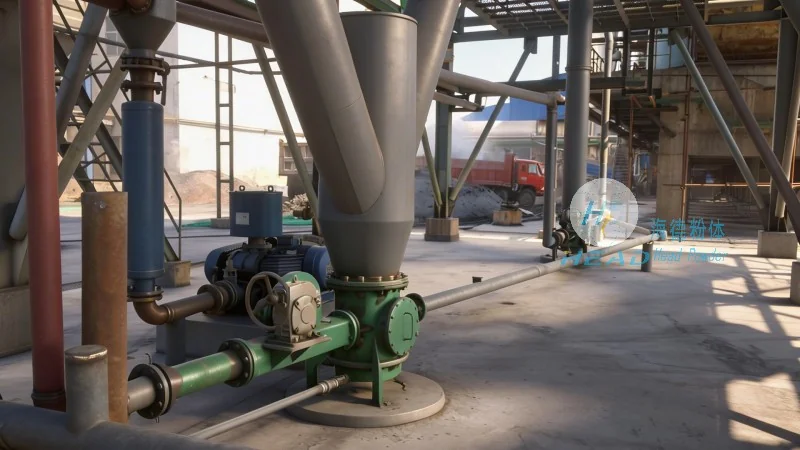
Key Components of Pneumatic Conveying Systems
The core of any pneumatic conveying system consists of several essential parts that work in tandem to move materials. The primary components include the hopper or feeder, which holds the material to be conveyed; the air supply system, typically an air compressor, that generates the necessary airflow; the conveying line or pipe, which transports the material; and the receiver or discharge hopper where the material is deposited. Each component plays a vital role in ensuring smooth and efficient operation.
The Working Principle of Pneumatic Conveying
Pneumatic conveying operates on the principle of using compressed air to create a flow that carries the material particles through the system. There are two main types of pneumatic conveying: dilute phase and dense phase. Dilute phase systems use higher air velocities to suspend the particles in the air stream, suitable for lighter materials like fine powders. Dense phase systems, on the other hand, use lower air velocities and higher pressure to push the material in a slurry-like state, ideal for heavier or more abrasive materials like glutinous rice.
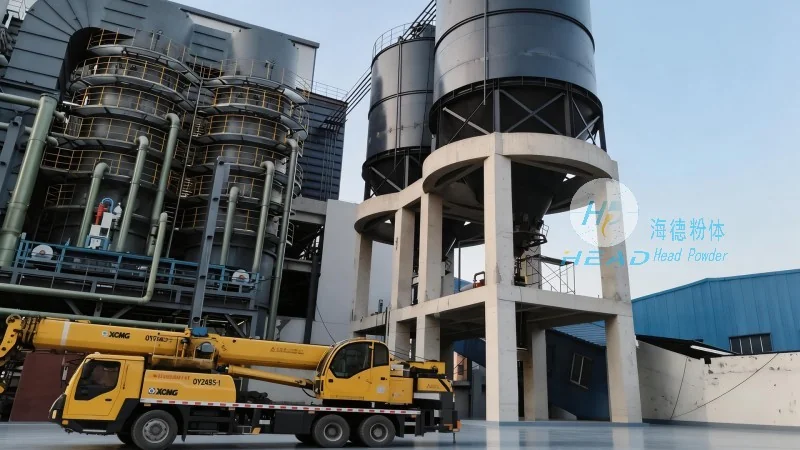
Application in Glutinous Rice Processing
When applied to glutinous rice, pneumatic conveying equipment offers several advantages. It minimizes product contamination and damage, as the material is not in direct contact with mechanical parts. The system also allows for a closed environment, preventing dust and moisture from affecting the product quality. Furthermore, it enables precise control over the flow rate and pressure, ensuring consistent processing throughout the production line.
Advantages of Using Pneumatic Conveying Equipment
Compared to traditional methods like belt conveyors or bucket elevators, pneumatic conveying offers several benefits. It reduces labor costs by automating the material transport process and minimizes the need for manual handling. The system also occupies less floor space, making it suitable for facilities with limited room. Additionally, it provides better control over the material's temperature and moisture content, which is critical for maintaining the quality of glutinous rice.
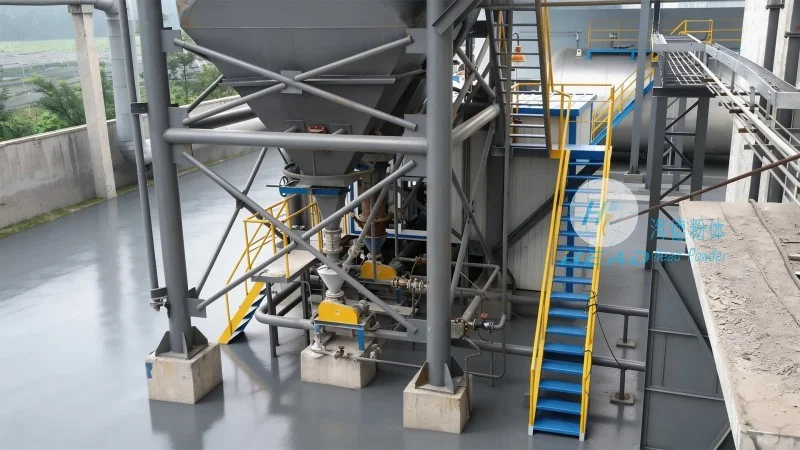
Company Profile: Shandong HeadPowder Engineering Co., Ltd.
Shandong HeadPowder Engineering Co., Ltd., operating under the brand name headpowder, specializes in the design, manufacturing, and installation of advanced powder handling systems. With a focus on providing customized solutions tailored to the specific needs of clients, the company has established itself as a leader in the industry. HeadPowder's expertise lies in developing efficient and reliable pneumatic conveying equipment that meets the highest standards of performance and durability.
Conclusion
Pneumatic conveying equipment, particularly for handling glutinous rice, represents a sophisticated and effective solution for material transport in various industries. By understanding its structure and operational principles, businesses can make informed decisions about implementing such systems to enhance their operational efficiency and product quality. With the support of companies like Shandong HeadPowder Engineering Co., Ltd., industries can access high-quality equipment that meets their specific requirements and contributes to their overall success.