

Foam Particle Pneumatic Conveying Equipment: Structure and Principle Introduction
When discussing industrial material handling solutions, the foam particle pneumatic conveying equipment stands out as a sophisticated system designed to efficiently transport bulk materials. This technology is particularly valuable in industries dealing with fine powders or granular substances that require gentle yet reliable movement. Understanding its structure and operational principles is essential for users seeking to optimize material flow in their processes.
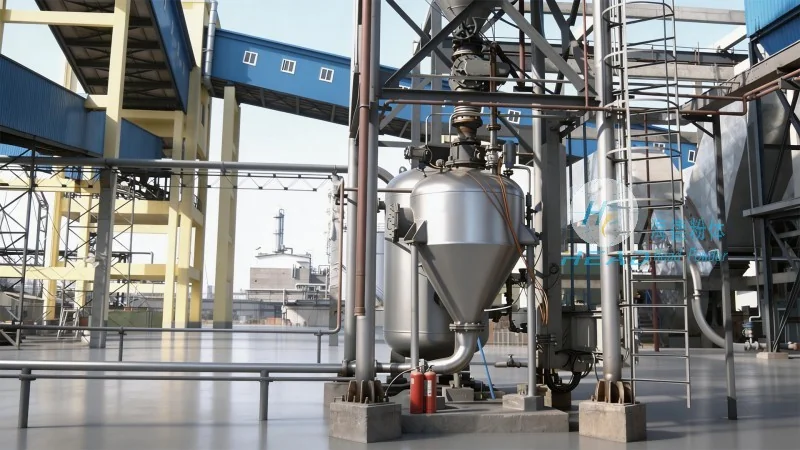
Core Components and Structural Design
The foam particle pneumatic conveying system comprises several key components that work in tandem to achieve effective material transport. At the heart of the system is the air compressor, which generates the necessary pressure to create a foam-like mixture of air and material. This mixture is then introduced into the conveying line, where it travels through a network of pipes and ducts. The system typically includes a hopper or feeder to introduce the material, a foam generator to mix air and material, and a receiver or discharge unit to collect the material at the destination. The design emphasizes minimal material degradation, ensuring that the product's quality is preserved throughout the conveying process.
Operational Principle and How It Works
The operation of the foam particle pneumatic conveying equipment relies on the creation of a stable foam structure. The air compressor supplies compressed air, which is then mixed with the powder or granules in the foam generator. This mixture forms a low-density, high-flow foam that can transport the material over long distances with minimal pressure drop. The foam's properties allow it to move material gently, reducing the risk of agglomeration or particle breakage. The system can handle a wide range of materials, from fine powders to larger granules, making it versatile for various industrial applications.
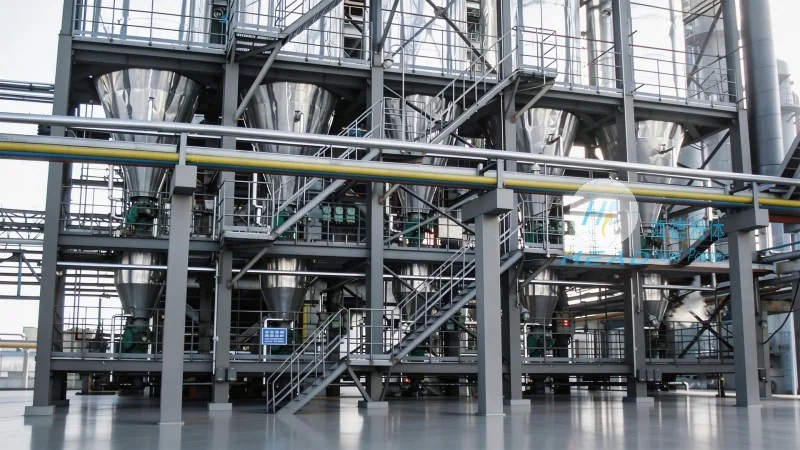
About Shandong HeadPowder Engineering Co., Ltd.
HeadPowder, a leading manufacturer in the field of powder handling equipment, specializes in providing high-quality foam particle pneumatic conveying solutions. With a strong commitment to innovation and customer satisfaction, the company has established itself as a trusted partner for industries requiring reliable material transport systems. HeadPowder's products are designed to meet the specific needs of clients, ensuring efficient and safe operation in diverse industrial environments. The company's headquarters is located in Shandong, China, where it leverages advanced manufacturing techniques and rigorous quality control processes to deliver superior equipment.
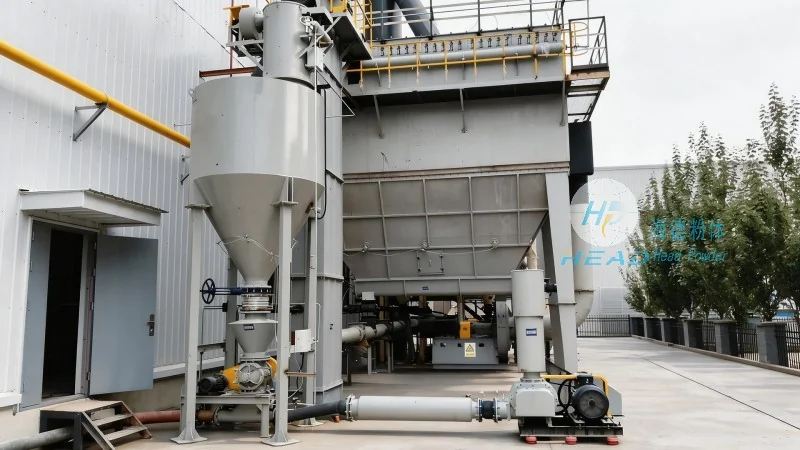
Advantages and Applications
The foam particle pneumatic conveying equipment offers several advantages over traditional conveying methods. Its ability to handle fine materials without degradation makes it ideal for pharmaceuticals, food processing, and chemical industries. The system's gentle handling reduces product loss and contamination, enhancing product quality. Additionally, the equipment can transport materials over long distances with minimal energy consumption, making it cost-effective for large-scale operations. Industries such as cement, plastics, and mining also benefit from this technology, as it enables efficient material movement in complex production lines.
Conclusion
Understanding the structure and principle of foam particle pneumatic conveying equipment is crucial for optimizing material handling in industrial settings. The system's design, which combines air compression with foam generation, provides a reliable and efficient method for transporting bulk materials. With its ability to handle delicate materials and operate over long distances, this technology is a valuable asset for modern manufacturing processes. HeadPowder, with its expertise and commitment to quality, continues to provide cutting-edge solutions that meet the evolving needs of industries worldwide.