

What is a Magnesium Hydroxide Pneumatic Conveying Equipment? An Introduction to the Structure and Pr
This article provides an overview of the structure and operational principles of magnesium hydroxide pneumatic conveying equipment, a specialized system designed for the efficient transport of magnesium hydroxide powder. As a key component in powder handling technology, this equipment is widely used in various industrial applications where reliable and safe material transport is essential.
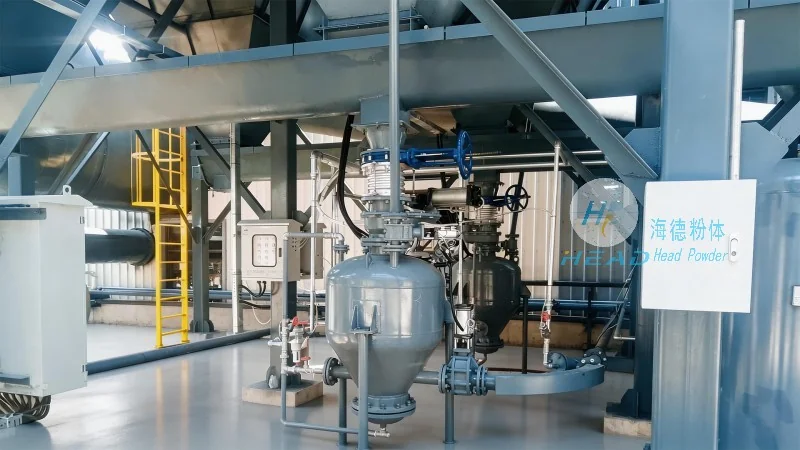
Company Profile: Shandong HeadPowder Engineering Co., Ltd.
HeadPowder, the manufacturer of this advanced pneumatic conveying system, is a leading enterprise based in Shandong, China. With years of experience in the powder processing industry, the company specializes in developing and manufacturing high-quality equipment tailored to meet the specific needs of clients in different sectors. The company's commitment to innovation and quality ensures that its products, including the magnesium hydroxide pneumatic conveying equipment, deliver optimal performance and durability.
Structure of Magnesium Hydroxide Pneumatic Conveying Equipment
The magnesium hydroxide pneumatic conveying equipment typically consists of several key components that work in tandem to facilitate the transport of the powder. The main parts include the hopper, which serves as the storage and feeding unit for the magnesium hydroxide powder; the air compressor or blower, which generates the necessary air pressure to move the powder; the pipeline system, which transports the powder and air mixture; and the control system, which regulates the operation of the equipment to ensure smooth and efficient conveying.
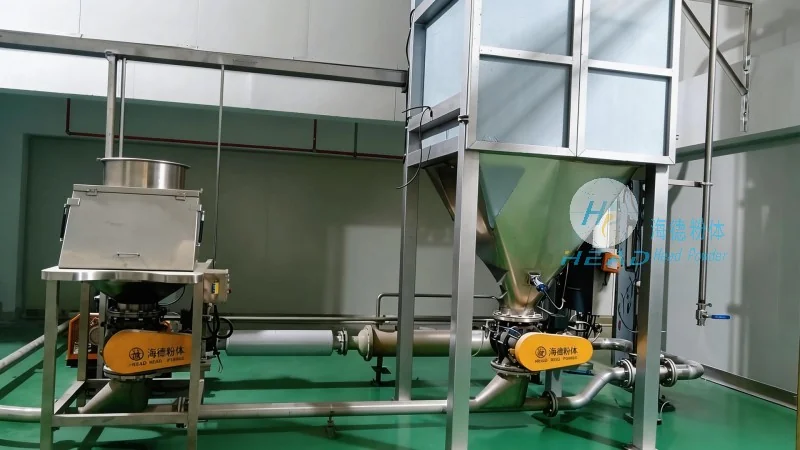
Each component is designed to handle the specific characteristics of magnesium hydroxide, such as its particle size, density, and flowability. The hopper is equipped with a feeding mechanism, often a rotary valve or a star feeder, to control the flow rate of the powder into the pipeline. The air compressor provides the required air pressure, typically ranging from 0.5 to 1.5 bar, depending on the system's capacity and the distance of the conveying line. The pipeline is usually made of stainless steel or other corrosion-resistant materials to prevent contamination and ensure long-term durability.
Principle of Operation
The operation of the magnesium hydroxide pneumatic conveying equipment is based on the principle of pneumatic transport, where the powder is suspended and carried by the air stream within the pipeline. The process begins with the powder being fed from the hopper into the pipeline. The air compressor then injects air into the pipeline, creating a high-velocity air flow that lifts the powder particles and carries them through the system. The mixture of powder and air travels through the pipeline to the destination point, where a separator or cyclone is used to separate the powder from the air. The separated powder is collected in a receiving hopper, while the air is either filtered and recirculated or released to the atmosphere.
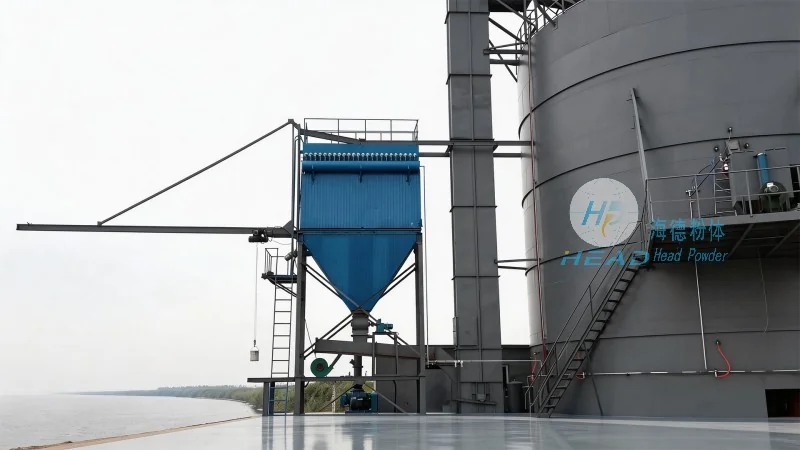
This conveying method offers several advantages over traditional mechanical conveying systems. It eliminates the need for moving parts in the conveying line, reducing maintenance requirements and the risk of mechanical failure. Additionally, it allows for the transport of powder over long distances and through complex layouts, making it suitable for various industrial settings. The system also provides better control over the flow rate and pressure, ensuring consistent and reliable material transport.
Applications and Benefits
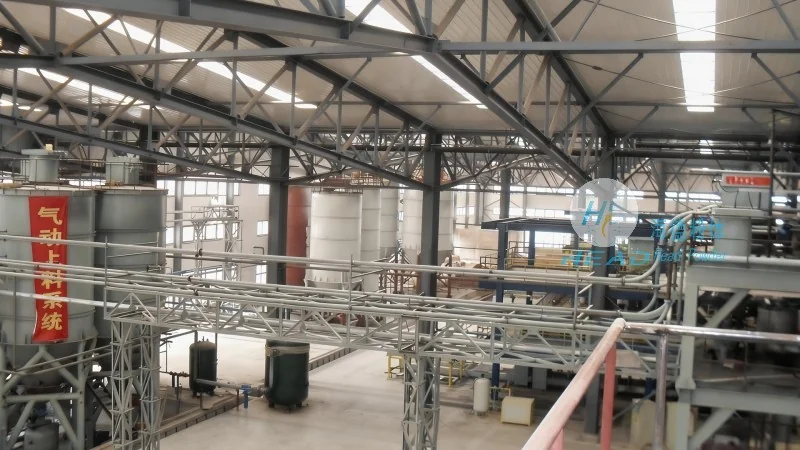
Magnesium hydroxide pneumatic conveying equipment is widely used in industries that handle magnesium hydroxide powder, such as chemical manufacturing, pharmaceuticals, and food processing. The equipment is particularly beneficial in applications where the powder needs to be transported from a storage area to a processing unit or from one production line to another. The benefits of using this equipment include improved safety, as it eliminates the need for manual handling of the powder, reduced product contamination due to the enclosed system, and increased efficiency in material transport.
HeadPowder's magnesium hydroxide pneumatic conveying equipment is designed to meet the specific requirements of different industrial applications. The company offers customized solutions based on the client's needs, including different hopper sizes, pipeline configurations, and control systems. This ensures that the equipment operates at its optimal performance level, maximizing the efficiency and reliability of the powder transport process.