

What is a Mica Sand Powder Pneumatic Conveying Equipment? An Introduction to the Structure and Princ
Understanding the Mica Sand Powder Pneumatic Conveying Equipment is crucial for industries that rely on efficient and reliable powder transport. This equipment, often referred to as a pneumatic conveyor system, is designed to handle fine powders like mica sand with precision and minimal loss. The system operates by using air pressure to move the material through a network of pipes and components, ensuring a smooth and controlled transfer process.
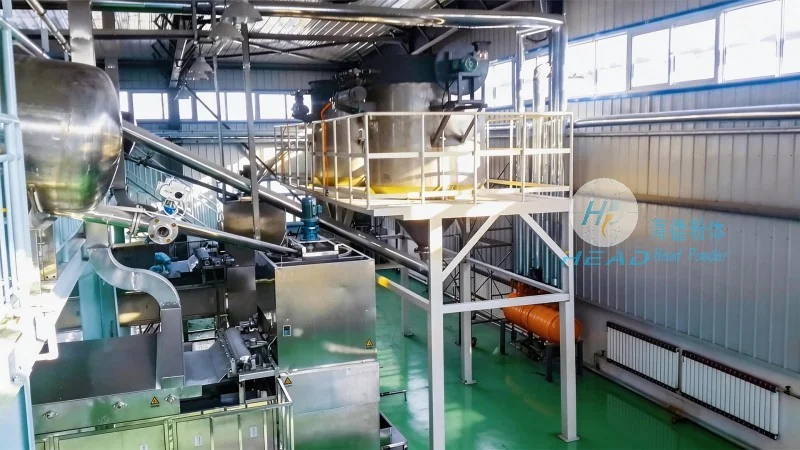
Introduction to the Mica Sand Powder Pneumatic Conveying Equipment
The Mica Sand Powder Pneumatic Conveying Equipment is a specialized device used in various industrial applications to transport dry powders, particularly those with fine particles such as mica sand. This equipment is manufactured by Shandong HeadPowder Engineering Co., Ltd., a leading company in the field of powder handling technology. The system combines advanced engineering with robust construction to deliver high performance and durability in demanding environments.
Structural Components and Working Principle
The core components of the Mica Sand Powder Pneumatic Conveying Equipment include the hopper, feeder, air compressor, pipeline system, and receiver. The hopper is used to store the mica sand, and the feeder ensures a consistent flow of material into the system. The air compressor generates the necessary air pressure to create a flow of air through the pipeline. As the air moves through the system, it carries the mica sand particles along, transporting them from the source to the destination. The receiver collects the material at the end of the conveyor line, allowing for easy discharge and processing.
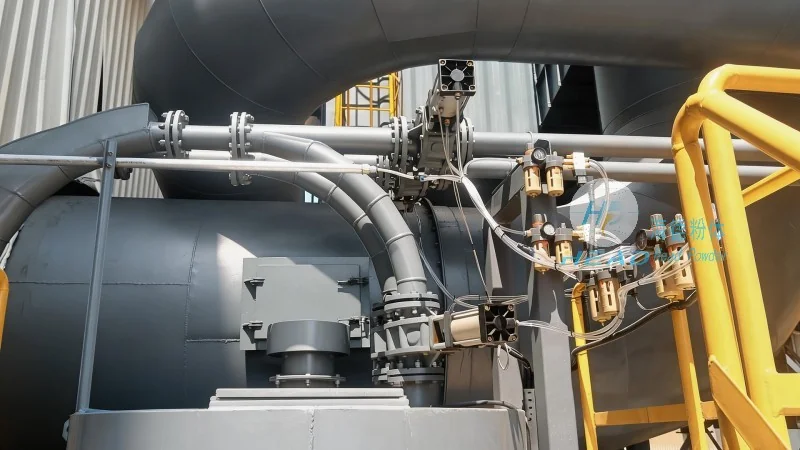
Key Features and Advantages
One of the primary advantages of the Mica Sand Powder Pneumatic Conveying Equipment is its ability to handle fine powders without causing dust or contamination. The system is designed to minimize particle degradation and maintain the quality of the mica sand. Additionally, the equipment is highly flexible, allowing for easy integration into existing production lines and adjustments to accommodate different material types and flow rates. The robust construction ensures long-term reliability and low maintenance costs, making it an economical choice for industrial applications.
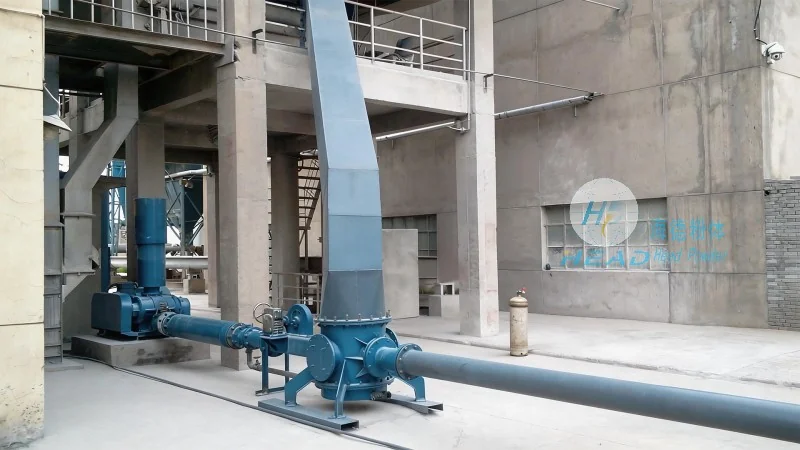
Applications in Industrial Settings
The Mica Sand Powder Pneumatic Conveying Equipment is widely used in industries such as construction, ceramics, and chemical manufacturing. In the construction industry, it is used to transport mica sand for roofing and wall materials, ensuring a consistent and efficient supply of raw materials. In the ceramics industry, the equipment is essential for transporting fine powders used in the production of tiles and other ceramic products. The chemical industry also benefits from this equipment, as it allows for the safe and efficient transport of powders in hazardous environments.
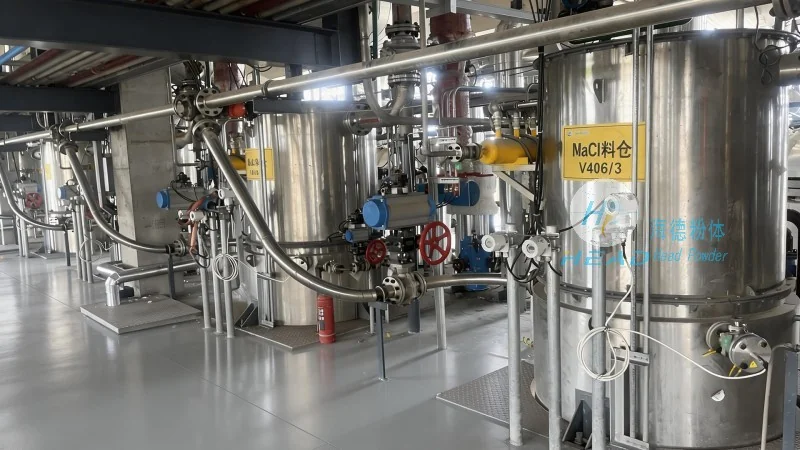
Installation and Maintenance Considerations
Proper installation of the Mica Sand Powder Pneumatic Conveying Equipment is critical to ensure optimal performance. The system should be installed by qualified technicians who are familiar with the components and operation of the equipment. Regular maintenance is also essential to keep the system running smoothly. This includes checking the air compressor for proper operation, inspecting the pipeline for leaks or blockages, and cleaning the hopper and receiver to prevent buildup of material. By following these maintenance procedures, the equipment can provide reliable service for many years.
Conclusion
The Mica Sand Powder Pneumatic Conveying Equipment is a vital component in modern industrial operations, providing efficient and reliable transport of fine powders. Manufactured by Shandong HeadPowder Engineering Co., Ltd., this equipment combines advanced technology with robust construction to deliver high performance and durability. With its ability to handle mica sand and other fine powders without contamination or degradation, the system is an essential tool for industries that rely on consistent and high-quality material supply. The equipment's flexibility and low maintenance requirements make it an economical choice for businesses looking to improve their production efficiency and reduce costs.