

What is Thermoplastic Polyurethane Pneumatic Conveying Equipment? Introduction to the Structure and
Thermoplastic polyurethane (TPU) pneumatic conveying equipment represents a sophisticated solution for the efficient handling and transportation of powder materials. This technology, integral to modern powder processing industries, leverages the unique properties of TPU to deliver reliable performance in demanding applications. The following overview delves into the core components, operational principles, and practical applications of such equipment, providing a comprehensive understanding of its design and functionality.
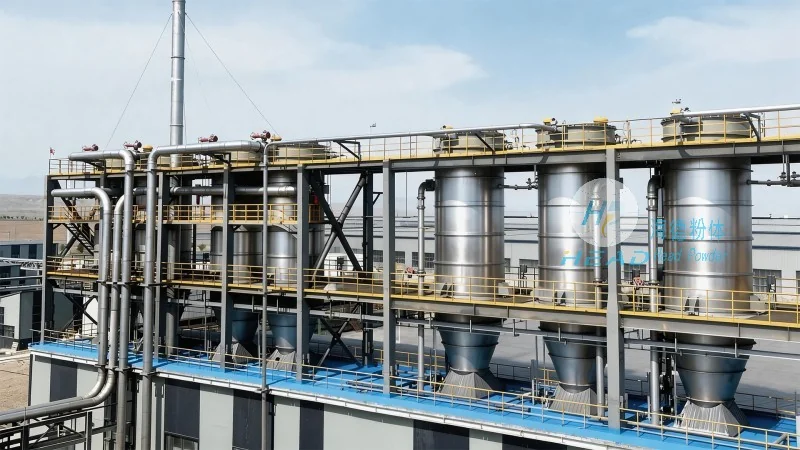
Overview of Thermoplastic Polyurethane Pneumatic Conveying Systems
Thermoplastic polyurethane pneumatic conveying systems are engineered to transport bulk powders through a pressurized or vacuum-driven air stream. The primary advantage of using TPU in these systems lies in its exceptional flexibility, abrasion resistance, and chemical stability, which collectively enhance the durability and efficiency of the conveying process. Unlike traditional materials like metal or rubber, TPU offers a lightweight yet robust construction that minimizes wear and tear over extended operational periods. This makes TPU an ideal choice for industries dealing with abrasive or corrosive powders, where equipment longevity and consistent performance are critical.
Key Structural Components and Their Functions
The design of thermoplastic polyurethane pneumatic conveying equipment typically incorporates several key components, each playing a vital role in the overall system performance. The main elements include the hopper, conveying line, air compressor, and control system. The hopper serves as the storage and feeding unit, where powder is introduced into the system under controlled conditions. It is often equipped with a discharge valve or feeder to regulate the flow rate, ensuring a steady supply of material to the conveying line. The conveying line, usually made from TPU or other flexible materials, transports the powder particles suspended in the air stream. This line is designed to withstand internal pressure and prevent material leakage, maintaining the integrity of the powder stream. The air compressor generates the necessary air pressure or vacuum to drive the powder through the system. Its capacity and efficiency directly impact the conveying rate and distance. The control system monitors and adjusts parameters such as pressure, flow rate, and temperature, ensuring optimal operation and preventing system failures. Each component is carefully selected and integrated to create a cohesive system that maximizes efficiency and reliability.
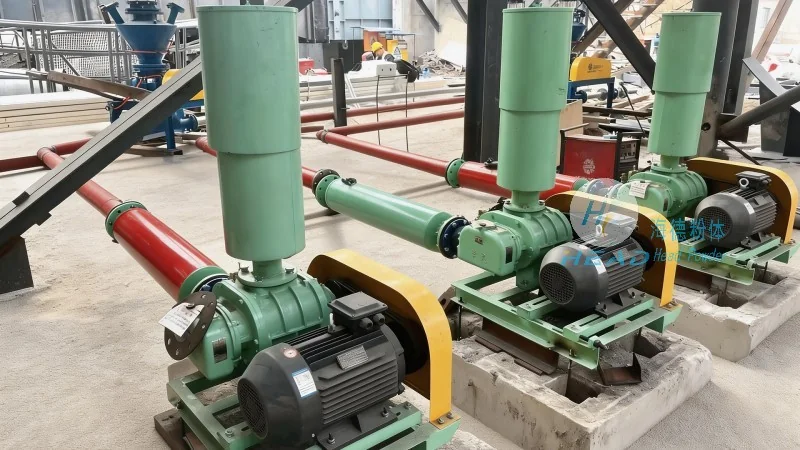
Operational Principles and Working Mechanism
The operational principle of thermoplastic polyurethane pneumatic conveying equipment is based on the suspension of powder particles in a high-velocity air stream. When the air compressor generates sufficient pressure, it forces air through the conveying line, creating a flow that lifts and transports the powder particles. The TPU material in the conveying line provides a smooth, low-friction surface that minimizes particle abrasion and reduces the risk of clogging. The system operates in either pressure or vacuum mode, depending on the application requirements. In pressure systems, the air compressor supplies compressed air to push the powder from the hopper to the discharge point. In vacuum systems, a vacuum pump creates a negative pressure that draws the powder from the source to the collection point. The choice between pressure and vacuum depends on factors such as the distance to be covered, the powder's density, and the system's layout. The control system continuously monitors the pressure and flow rates, adjusting the air supply to maintain a consistent conveying rate. This dynamic adjustment ensures that the system operates efficiently under varying load conditions, preventing overloading or underutilization.
Advantages of Thermoplastic Polyurethane in Pneumatic Conveying
Thermoplastic polyurethane offers several advantages that make it a preferred material for pneumatic conveying applications. Its high abrasion resistance allows the equipment to withstand continuous contact with abrasive powders without significant wear, extending the service life of the conveying line. The material's flexibility enables it to accommodate thermal expansion and contraction, reducing stress on the system components and minimizing the risk of leaks. Additionally, TPU is chemically inert, making it suitable for handling a wide range of powders, including those that may be corrosive or reactive. This chemical stability prevents contamination of the powder and ensures the equipment remains in good condition over time. The lightweight nature of TPU also contributes to lower installation and maintenance costs, as it reduces the overall weight of the system and simplifies handling during maintenance operations. Furthermore, TPU is easy to clean and maintain, as it can be disassembled and cleaned without the need for specialized tools or chemicals. These advantages collectively contribute to the high reliability and efficiency of thermoplastic polyurethane pneumatic conveying equipment.
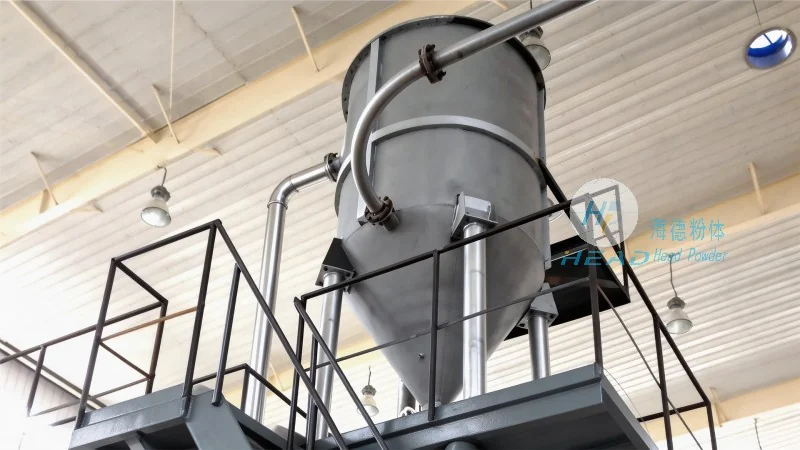
Applications and Industries
Thermoplastic polyurethane pneumatic conveying equipment is widely used across various industries that require the handling of bulk powders. These include pharmaceuticals, food processing, chemical manufacturing, and mining. In the pharmaceutical industry, the equipment is used to transport active pharmaceutical ingredients (APIs) and excipients with high precision and minimal contamination. The TPU material ensures that the powders remain sterile and free from cross-contamination, meeting stringent regulatory requirements. In food processing, the equipment is employed to handle ingredients such as flour, sugar, and spices, maintaining the quality and freshness of the products. The chemical inertness of TPU prevents any interaction with the food materials, ensuring safety and compliance with food safety standards. In chemical manufacturing, the equipment is used to convey abrasive and corrosive powders, such as minerals and chemicals, without compromising the system's integrity. The high abrasion resistance of TPU allows the equipment to operate efficiently in harsh environments, reducing downtime and maintenance costs. In mining and mineral processing, the equipment is used to transport raw materials and finished products, improving the overall efficiency of the processing plant. The ability of TPU to handle abrasive materials makes it ideal for applications where traditional materials would quickly deteriorate. These diverse applications highlight the versatility and reliability of thermoplastic polyurethane pneumatic conveying equipment in meeting the specific needs of different industries.
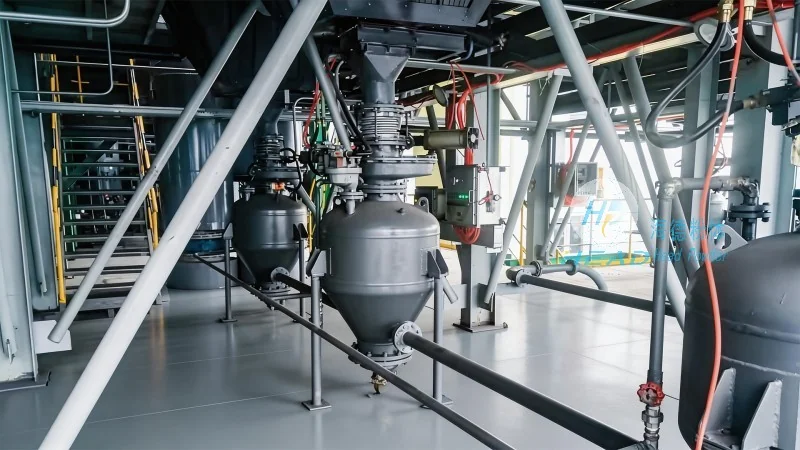
Installation and Maintenance Considerations
The successful operation of thermoplastic polyurethane pneumatic conveying equipment depends on proper installation and regular maintenance. During installation, it is essential to ensure that all components are properly aligned and secured to prevent vibrations and leaks. The conveying line should be checked for any kinks or bends that could disrupt the air flow and cause clogging. The hopper and feeder should be adjusted to maintain a consistent flow rate, avoiding overloading or underloading the system. Regular maintenance involves inspecting the TPU components for signs of wear or damage, such as cracks or abrasions. The air compressor and control system should be checked for proper functioning, including pressure and flow rate measurements. Cleaning the system regularly is also important to prevent the buildup of powder residues, which can affect performance and cause blockages. The use of appropriate cleaning agents and tools is recommended to maintain the integrity of the TPU material. Maintenance schedules should be established based on the system's usage and the type of powder being handled, ensuring that the equipment remains in optimal condition. Proper installation and maintenance practices not only extend the service life of the equipment but also ensure consistent performance and reliability, minimizing downtime and operational costs.
Conclusion
Thermoplastic polyurethane pneumatic conveying equipment represents a cutting-edge solution for the efficient and reliable handling of bulk powders. Its unique combination of properties, including abrasion resistance, flexibility, and chemical stability, makes it an ideal choice for a wide range of industrial applications. The system's design, incorporating key components such as the hopper, conveying line, air compressor, and control system, ensures optimal performance and efficiency. The operational principles, based on the suspension of powder particles in a high-velocity air stream, provide a consistent and controlled conveying process. The advantages of using TPU, including its durability, chemical inertness, and ease of maintenance, contribute to the high reliability and cost-effectiveness of the equipment. As industries continue to demand more efficient and sustainable powder handling solutions, thermoplastic polyurethane pneumatic conveying equipment remains a preferred choice due to its ability to meet the evolving needs of modern manufacturing processes. With proper installation and maintenance, this equipment can deliver long-term performance and reliability, making it a valuable asset for any powder processing operation.