

Principle of Coal Ash Pneumatic Conveying System
Coal ash, a byproduct of coal combustion in thermal power plants, poses significant challenges for handling and disposal. The coal ash pneumatic conveying system offers an efficient and reliable method to transport this material over long distances with minimal environmental impact. This system is designed to handle the bulk movement of coal ash from storage or processing areas to disposal sites or recycling facilities, ensuring a smooth and controlled operation.
Core Components of the Pneumatic Conveying System
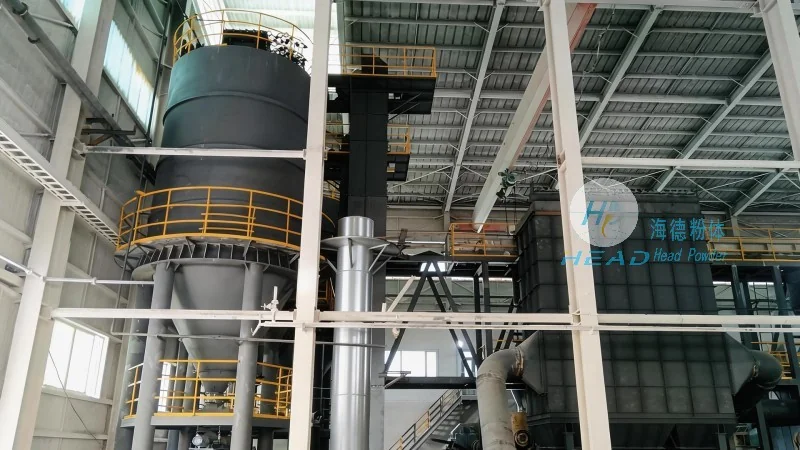
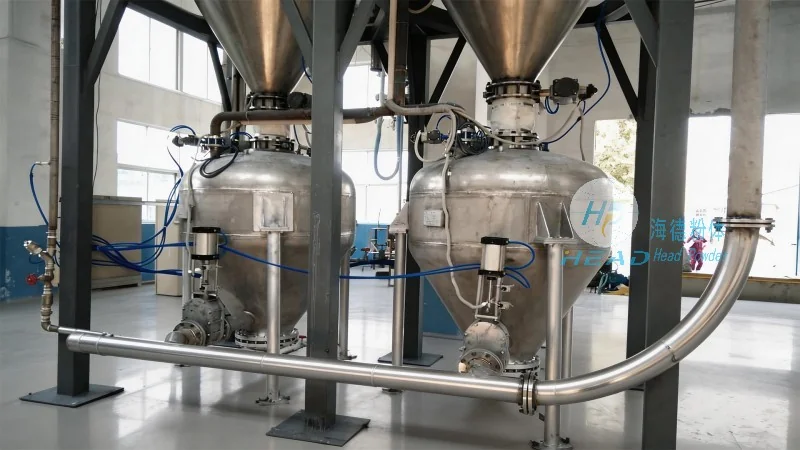
The coal ash pneumatic conveying system consists of several key components that work in tandem to achieve effective material transport. These include the ash feed hopper, which stores and regulates the flow of coal ash; the air compressor or blower, which generates the necessary air pressure to move the material; the conveying pipeline, typically made of durable materials like stainless steel or high-density polyethylene to withstand abrasion and corrosion; and the control valves and regulators that manage the air flow and material discharge. Additionally, the system may incorporate dust collection and filtration units to ensure compliance with environmental regulations and maintain air quality.
Operating Principle: The Mechanism of Pneumatic Conveying
The fundamental principle of pneumatic conveying involves using compressed air to transport solid particles through a pipeline. In the case of coal ash, the system operates by first feeding the ash into the hopper, where it is then drawn into the conveying line by the air flow. The air pressure creates a flow that suspends the ash particles in the air stream, allowing them to travel through the pipeline. The speed and pressure of the air are critical factors that determine the efficiency and capacity of the system. Proper design ensures that the ash particles are fully suspended, preventing blockages and ensuring consistent flow rates.
Advantages of Using a Pneumatic Conveying System for Coal Ash
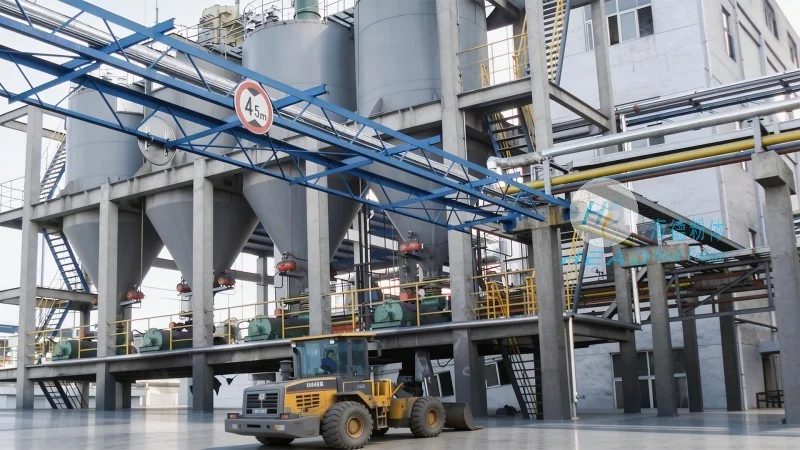
Implementing a coal ash pneumatic conveying system offers numerous advantages over traditional methods such as belt conveyors or truck transport. Firstly, it provides a dust-free and enclosed transport process, reducing environmental contamination and improving workplace safety. Secondly, the system allows for long-distance transport without the need for multiple transfer points, enhancing operational efficiency. Thirdly, it minimizes material loss and degradation, as the ash is kept in a controlled environment throughout the conveying process. Additionally, the system is flexible and can be easily integrated with existing infrastructure, making it a cost-effective solution for power plants and waste management facilities.
Application Scenarios and Customization
The coal ash pneumatic conveying system is versatile and can be adapted to various application scenarios. For instance, it is commonly used in thermal power plants to transport ash from the boiler to the storage silos or disposal sites. It can also be employed in industrial settings where coal ash is used as a raw material for cement production or other construction materials. The system can be customized to meet specific requirements, including varying capacities, pipeline lengths, and material characteristics. Shandong HeadPowder Engineering Co., Ltd., a leading provider in this field, offers tailored solutions that cater to the unique needs of each client, ensuring optimal performance and reliability.
Maintenance and Operational Considerations
To ensure the longevity and efficiency of the coal ash pneumatic conveying system, regular maintenance is essential. This includes inspecting and cleaning the conveying pipeline to prevent buildup of ash particles, checking the air compressor and control systems for proper functionality, and monitoring the ash feed hopper for any blockages or overfilling. Proper maintenance not only extends the lifespan of the equipment but also maintains consistent performance and reduces downtime. Additionally, operators should be trained on the proper operation of the system to avoid accidents and ensure compliance with safety regulations. By adhering to these practices, facilities can maximize the benefits of the pneumatic conveying system while minimizing operational risks.