

Principle of Zinc Powder Pneumatic Conveying System
Understanding the fundamental principles of zinc powder pneumatic conveying systems is crucial for optimizing material handling processes in industrial applications. This article delves into the core mechanisms, components, and operational dynamics that define such systems, providing a comprehensive overview for professionals in the field.
Introduction to Zinc Powder Pneumatic Conveying
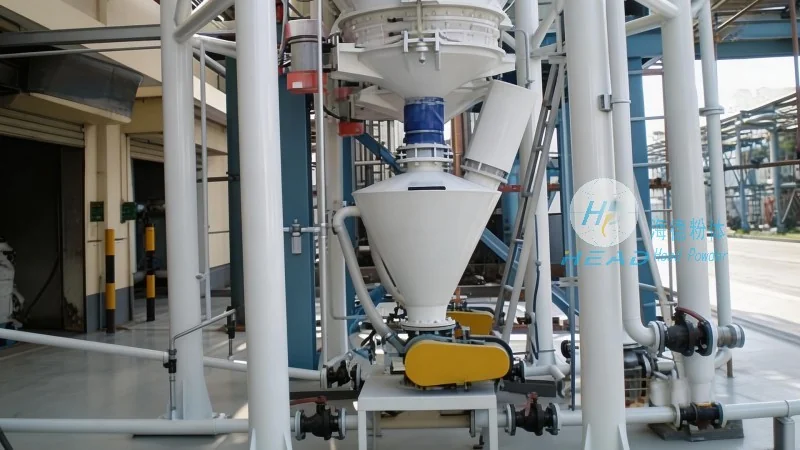
Zinc powder, a critical material in various industrial sectors including metallurgy, chemical manufacturing, and battery production, often requires efficient and reliable transport methods. Pneumatic conveying systems offer a solution by utilizing air or gas to move powders through pipelines, eliminating the need for mechanical components like belts or buckets. The principle of operation centers on creating a flow of air that entrains the zinc powder particles, transporting them from the source to the destination. This method is particularly advantageous for zinc powder due to its fine particle size and potential for dust generation, as it minimizes contamination and ensures a clean transfer process.
Key Components of a Zinc Powder Pneumatic Conveying System
The effectiveness of a zinc powder pneumatic conveying system relies on several key components that work in tandem to ensure efficient material transport. These components include the air compressor or blower, which generates the necessary air pressure to move the powder; the hopper or feeder, which stores and meters the zinc powder into the system; the conveying line, typically made of stainless steel or other corrosion-resistant materials to handle the abrasive nature of zinc powder; and the receiver or discharge unit, where the material is collected. Additionally, control valves and filters are essential for regulating airflow and preventing particle buildup or contamination.
Working Principle: How Pneumatic Conveying Transports Zinc Powder
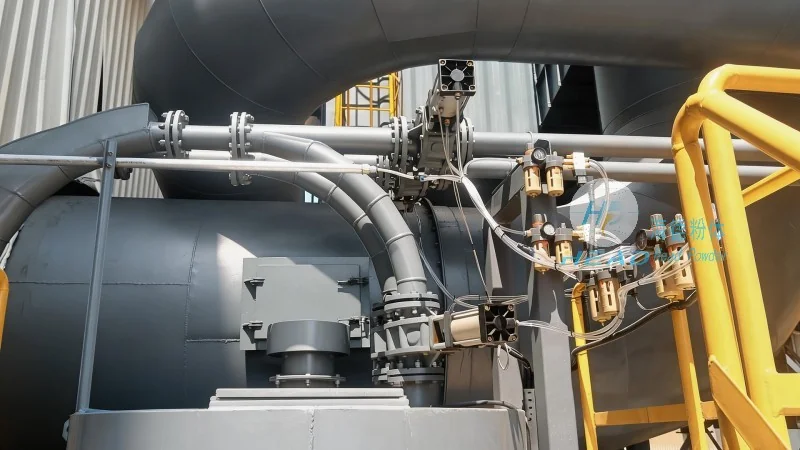
The operational principle of a zinc powder pneumatic conveying system involves several stages. Initially, the zinc powder is fed into the hopper, where it is metered by a feeder mechanism. Simultaneously, the air compressor provides a steady stream of air that enters the conveying line. As the air flows through the line, it creates a low-pressure zone that draws the zinc powder particles into the air stream. This process, known as entrainment, allows the powder to be carried along the pipeline to the receiver. The velocity of the air and the particle size of the zinc powder are critical factors in determining the efficiency of this entrainment process. Properly designed systems ensure that the air velocity is sufficient to keep the particles suspended without causing excessive wear on the system components.
Advantages of Using Pneumatic Conveying for Zinc Powder
Implementing a pneumatic conveying system for zinc powder offers numerous advantages over traditional mechanical conveying methods. One of the primary benefits is the reduction in dust exposure, which is vital for maintaining a safe working environment and complying with occupational health regulations. Additionally, the system minimizes product contamination, as the enclosed pipeline prevents contact with external elements. The flexibility of pneumatic conveying systems allows for easy integration into existing production lines, with the ability to transport zinc powder over long distances without the need for multiple transfer points. Furthermore, the system can handle varying particle sizes and flow rates, making it adaptable to different production requirements.
Applications in Industrial Settings
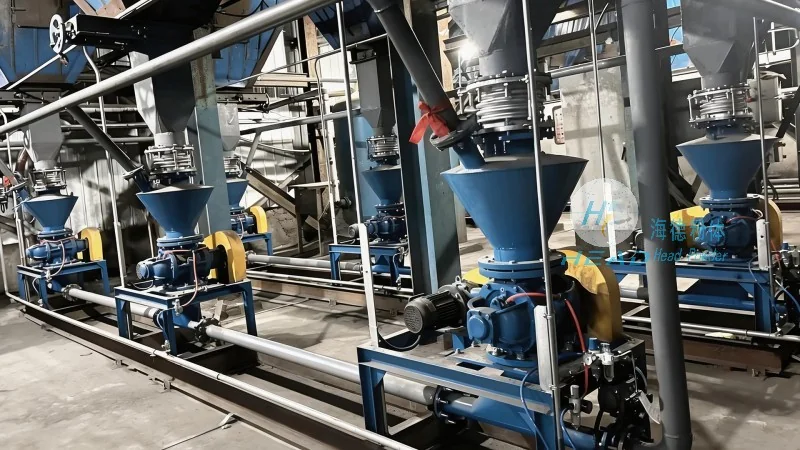
Zinc powder pneumatic conveying systems are widely used in various industrial applications where the efficient handling of fine powders is essential. In the battery manufacturing industry, these systems are used to transport zinc powder to the electrode production lines, ensuring consistent quality and minimal waste. In metallurgical processes, they facilitate the transfer of zinc powder between different stages of production, such as from the furnace to the refining equipment. Chemical manufacturers also benefit from these systems when processing zinc-based compounds, as they provide a clean and efficient method for moving materials through the production cycle.
Considerations for System Design and Maintenance
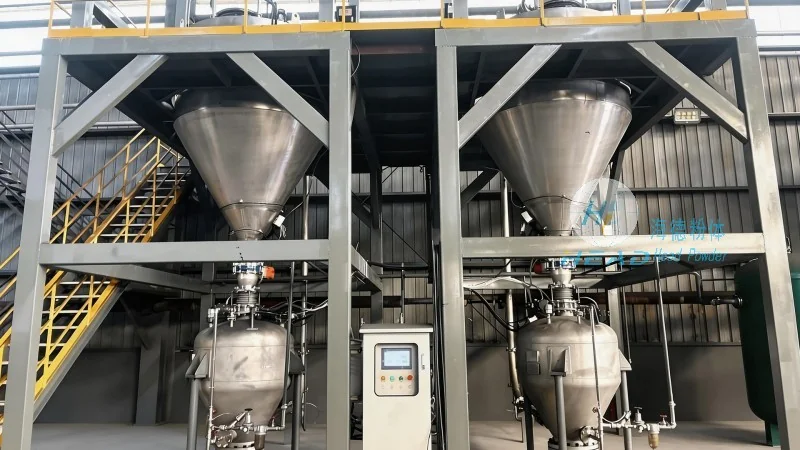
Designing and maintaining a zinc powder pneumatic conveying system requires careful consideration of several factors to ensure optimal performance and longevity. Material selection is critical, as zinc powder can be abrasive and corrosive to certain metals. Stainless steel or specialized alloys are commonly used for the conveying line and components to withstand the wear and corrosion. Regular maintenance, including cleaning filters, checking air pressure, and inspecting for leaks, is essential to prevent system inefficiencies and downtime. Additionally, monitoring the particle size distribution and flow rate of the zinc powder can help optimize the system's performance and prevent blockages or other operational issues.
Conclusion
In conclusion, the principle of zinc powder pneumatic conveying systems is a sophisticated and effective method for handling fine powders in industrial applications. By understanding the key components, operational dynamics, and advantages of such systems, industries can enhance their material handling processes, improve safety, and increase overall efficiency. As technology advances, further refinements in system design and maintenance practices will continue to improve the performance of pneumatic conveying systems for zinc powder, supporting the evolving needs of modern industrial operations.