

Principle of Bentonite Pneumatic Conveying System
Bentonite, a versatile clay material widely used in various industrial applications, often requires efficient and reliable transportation methods to ensure optimal processing and handling. The pneumatic conveying system emerges as a critical solution for moving bentonite from storage to processing units, offering advantages such as reduced contamination, enhanced safety, and improved operational efficiency. This article delves into the fundamental principles underlying bentonite pneumatic conveying systems, exploring the technical aspects, operational dynamics, and practical applications that make this technology indispensable in modern industrial processes.
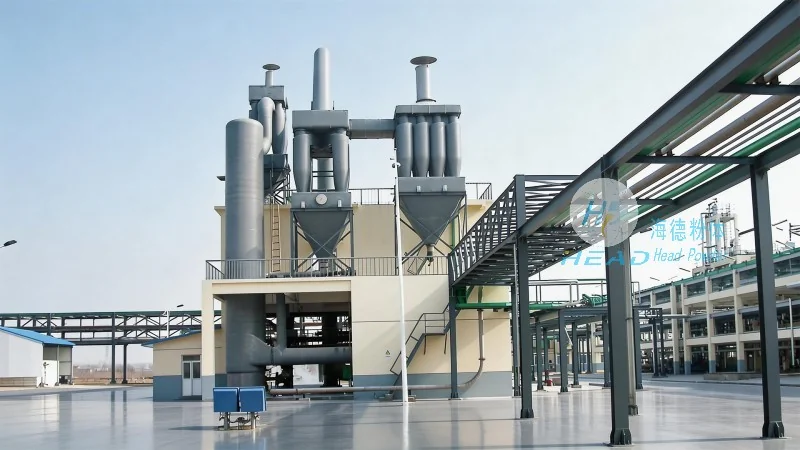
About Shandong HeadPowder Engineering Co., Ltd.
HeadPowder, a leading engineering firm specializing in material handling solutions, is dedicated to providing innovative and efficient systems for industries reliant on bentonite and similar bulk materials. With a strong commitment to quality and customer satisfaction, HeadPowder leverages advanced engineering expertise to design, manufacture, and implement pneumatic conveying systems tailored to the unique needs of each client. The company’s headquarters is located in Shandong, China, where a team of experienced engineers and technicians work collaboratively to deliver cutting-edge solutions that enhance productivity and operational safety.
Core Principles of Pneumatic Conveying for Bentonite
The pneumatic conveying system operates on the principle of transporting bulk materials through a pipeline using a gas stream, typically air or other gases. In the case of bentonite, the system is designed to handle fine, dry powders that are susceptible to caking and agglomeration. The process involves several key components and mechanisms that work in tandem to ensure smooth material movement:
1. **Air Supply and Pressure Control**: A compressor or blower generates the necessary air pressure to create a flow within the conveying pipeline. The pressure is carefully regulated to match the material's properties, ensuring consistent and controlled movement without causing excessive wear or damage to the system components.
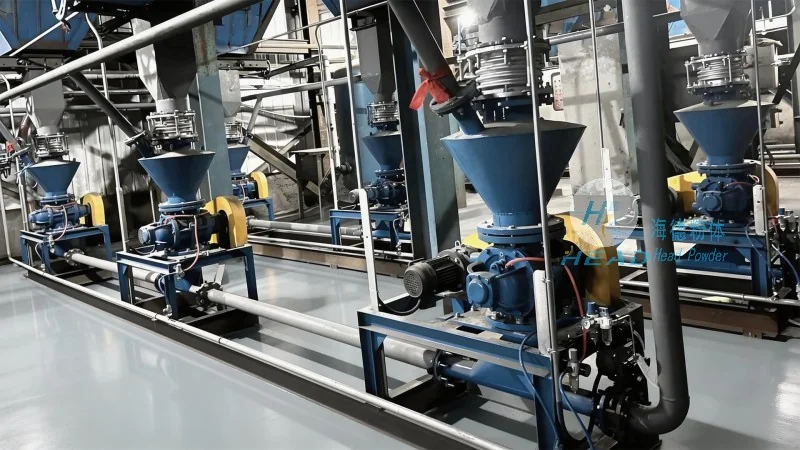
2. **Material Feeding and Conditioning**: Bentonite is introduced into the system through a feeder, which may include a hopper or a rotary valve to control the flow rate. Pre-treatment steps, such as drying or conditioning, may be incorporated to improve material flowability and prevent blockages in the pipeline.
3. **Conveying Pipeline and Design**: The pipeline is constructed from materials resistant to the corrosive and abrasive nature of bentonite, such as stainless steel or specialized plastics. The design of the pipeline, including bends, expansions, and transitions, is optimized to minimize pressure losses and maintain the integrity of the material stream.
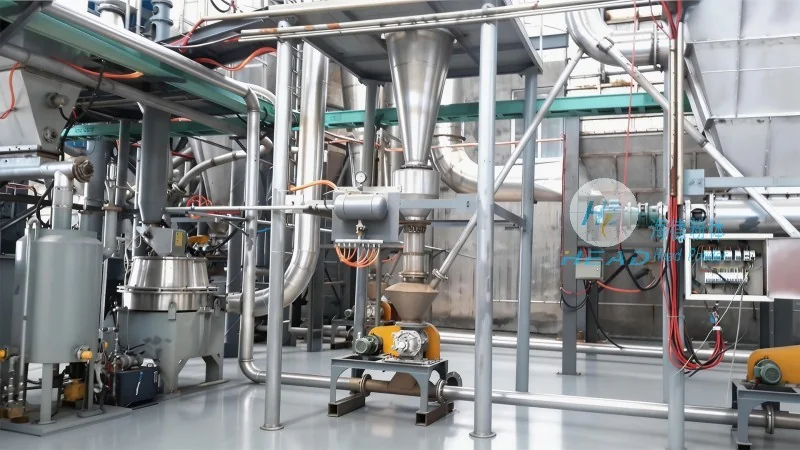
4. **Separation and Discharge**: At the receiving end, the system uses a separator to separate the air from the bentonite particles. This is typically achieved through a cyclone or a bag filter, ensuring that the material is collected efficiently and the air is safely vented. The discharged bentonite is then directed to the processing equipment or storage facilities.
Advantages of Bentonite Pneumatic Conveying Systems
Implementing a pneumatic conveying system for bentonite offers numerous benefits that enhance overall operational performance and cost-effectiveness. Key advantages include:
• **Reduced Contamination and Cross-Contamination**: The enclosed system prevents the material from coming into contact with external contaminants, maintaining the purity of the bentonite. This is particularly critical in applications where the material is used in food, pharmaceutical, or high-purity industrial processes.
• **Enhanced Safety and Ergonomics**: By eliminating manual handling and open conveyors, the system minimizes the risk of dust exposure, material spills, and workplace accidents. This improves workplace safety and reduces the need for labor-intensive operations.
• **Improved Efficiency and Productivity**: The automated nature of the system allows for continuous material flow, reducing downtime and increasing production throughput. The consistent flow rate and pressure control ensure that processing equipment receives a steady supply of bentonite, optimizing operational efficiency.
• **Space Efficiency and Flexibility**: Pneumatic conveying systems can be designed to fit into existing facility layouts, utilizing vertical or horizontal space as needed. The modular design allows for easy expansion or reconfiguration to accommodate changing production requirements.
Industrial Applications of Bentonite Pneumatic Conveying
Bentonite pneumatic conveying systems are widely used across various industries due to the material's versatility. Common applications include:
• **Oil and Gas Industry**: Bentonite is used as a drilling fluid additive to improve mud properties. The pneumatic system efficiently transports bentonite from storage to drilling sites, ensuring a consistent supply for drilling operations.
• **Food and Beverage Industry**: In the production of baked goods, beverages, and other food products, bentonite is used as a clarifying agent or stabilizer. The enclosed system maintains the material's purity, meeting stringent food safety regulations.
• **Pharmaceutical Industry**: Bentonite is utilized in the formulation of medications and as a filtration aid. The system's ability to handle fine powders without contamination is crucial for pharmaceutical applications.
• **Environmental and Waste Management**: Bentonite is used in the treatment of wastewater and soil remediation. The efficient transportation of bentonite to treatment sites enhances the effectiveness of environmental remediation processes.