

Principle of Coke Powder Pneumatic Conveying System
HeadPowder, a leading engineering company based in Shandong, China, specializes in the design and implementation of advanced pneumatic conveying systems for coke powder. This article delves into the fundamental principles behind such systems, highlighting their operational mechanisms, key components, and practical applications in industrial settings.
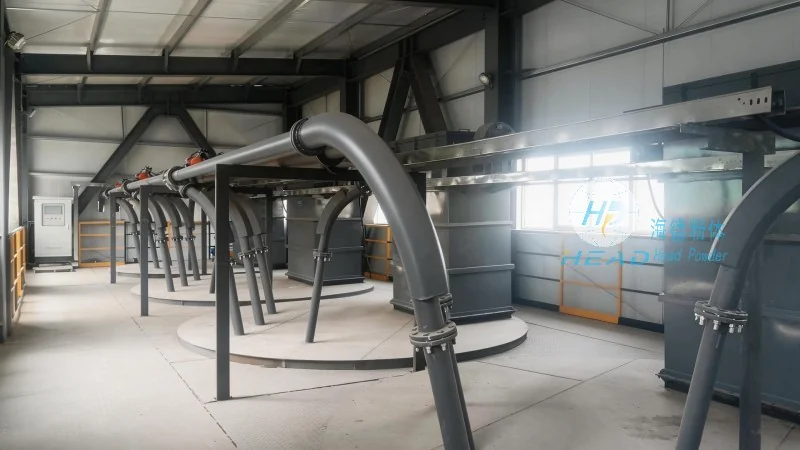
Understanding Pneumatic Conveying Technology
Pneumatic conveying systems are engineered to transport bulk materials like coke powder through a pipeline using a gas stream, typically air or other gases. The core principle involves creating a pressure differential that propels the material along the system. There are two primary types of pneumatic conveying: pressure and vacuum systems. Pressure systems use compressed air to push material from a source to a destination, while vacuum systems employ suction to draw material into the pipeline.
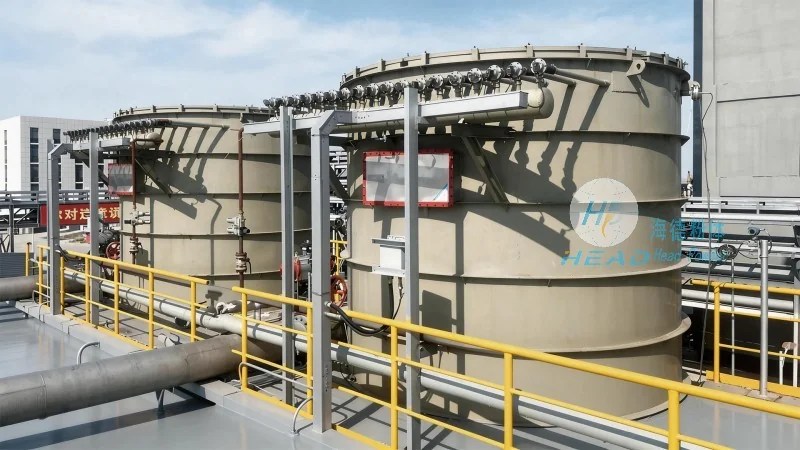
Key Components of a Coke Powder Pneumatic Conveying System
The effectiveness of a coke powder pneumatic conveying system relies on several critical components working in tandem. These include the material feed hopper, which stores and meters the coke powder; the conveyor pipeline, which forms the main transport path; the air compressor or vacuum pump, which generates the necessary pressure or vacuum; and the control valves and regulators that manage the flow and pressure of the gas. Additionally, the system may incorporate filters and dust collectors to ensure environmental compliance and maintain material quality.
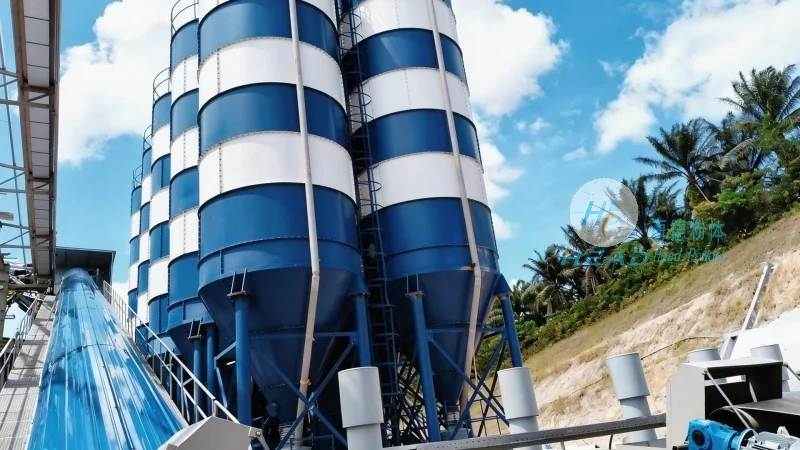
Operational Mechanism and Flow Control
The operation of a coke powder pneumatic conveying system begins with the material being fed into the hopper. From there, it is metered into the pipeline as the gas stream is introduced. The gas velocity is carefully controlled to ensure that the coke powder particles are fully suspended and transported without clogging or degradation. Flow control devices, such as rotary valves or feeders, regulate the material feed rate to match the gas flow, maintaining a stable and efficient conveying process. Proper flow control is essential to prevent issues like surging, which can lead to system inefficiencies or equipment damage.
Advantages and Applications in Industrial Settings
Coke powder pneumatic conveying systems offer numerous advantages over traditional mechanical conveying methods. They provide a dust-free and hygienic transport solution, reducing the risk of contamination and improving workplace safety. The systems are also flexible, allowing for easy integration into existing industrial layouts and enabling the transport of materials over long distances with minimal maintenance. In industrial applications, these systems are commonly used in steel production, chemical processing, and power generation facilities, where the efficient handling of coke powder is critical for operational efficiency and cost-effectiveness.
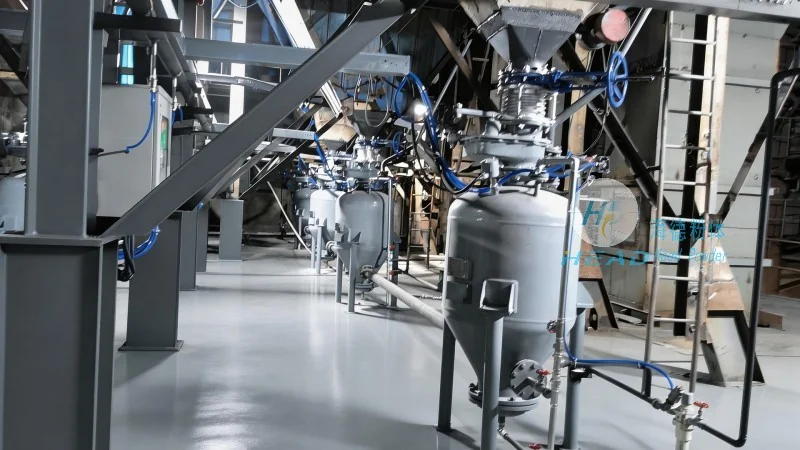
Customization and Engineering Solutions by HeadPowder
HeadPowder Engineering Co., Ltd. leverages its expertise to design customized pneumatic conveying solutions tailored to the specific needs of each client. By considering factors such as material characteristics, conveying distance, and operational requirements, the company develops systems that optimize performance and reliability. The engineering team at HeadPowder utilizes advanced simulation tools and industry best practices to ensure that each system meets the highest standards of safety, efficiency, and durability. With a focus on innovation and client satisfaction, HeadPowder continues to provide cutting-edge solutions for coke powder handling in various industrial sectors.