

Principle of Iron Oxide Pneumatic Conveying System
Iron oxide, a crucial industrial material widely used in various sectors such as pigments, coatings, and pharmaceuticals, often requires efficient and reliable transportation methods. The pneumatic conveying system offers a solution that addresses the challenges associated with handling fine powders like iron oxide. This article delves into the fundamental principles of an iron oxide pneumatic conveying system, exploring its components, operation mechanisms, and key considerations for effective implementation.
Core Components of the Pneumatic Conveying System
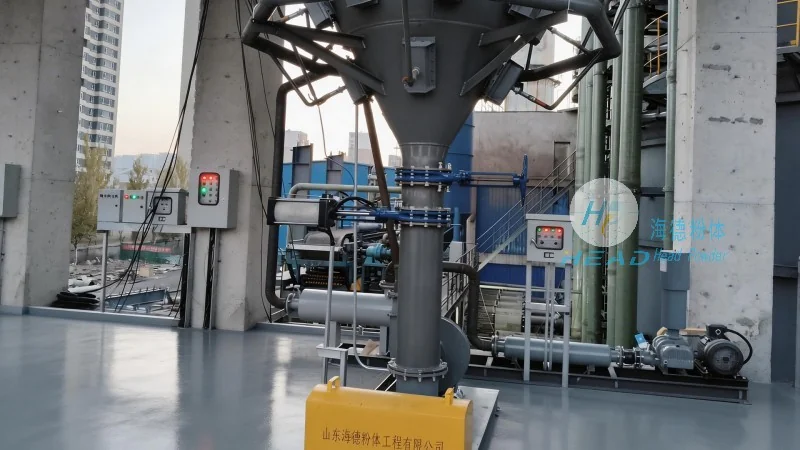
The iron oxide pneumatic conveying system comprises several essential components that work in tandem to transport the material. The primary components include a material hopper, a rotary valve (or feeder), a conveying line (typically made of stainless steel or other corrosion-resistant materials), a venturi or air nozzle, and a receiver or collection tank. Each component plays a critical role in ensuring the smooth and efficient movement of iron oxide particles through the system.
The material hopper is designed to store the iron oxide powder, providing a consistent feed to the system. It is equipped with a level indicator to monitor the material volume. The rotary valve, often a star valve or rotary airlock, regulates the flow of iron oxide from the hopper into the conveying line, preventing backflow and maintaining a steady feed rate. The conveying line, usually a flexible or rigid tube, is the pathway through which the iron oxide particles are transported. It is typically made of materials like stainless steel, PVC, or PTFE to withstand the abrasive nature of iron oxide and resist corrosion.
The venturi or air nozzle is a critical component that generates the necessary airflow to move the iron oxide particles. As compressed air passes through the venturi, it creates a low-pressure zone that draws the iron oxide particles into the conveying line. The air velocity and pressure are carefully controlled to ensure the particles are carried efficiently without causing excessive wear or degradation. The receiver or collection tank is where the iron oxide powder is deposited after being conveyed. It is designed to separate the material from the air stream, often using a cyclone separator or a filter to prevent dust emissions and maintain product purity.
Operation Principle and Flow Mechanism
The operation of the iron oxide pneumatic conveying system follows a specific flow mechanism. The process begins with the iron oxide powder being fed from the hopper into the rotary valve. The rotary valve then releases the material into the conveying line at a controlled rate. Simultaneously, compressed air is introduced into the system, flowing through the venturi or air nozzle. The high-velocity air stream generates a suction effect, drawing the iron oxide particles into the conveying line. The particles are then carried along the line by the airflow, reaching the receiver or collection tank. The air stream continues to transport the particles until they are deposited, after which the air is either recycled or vented to the atmosphere, depending on the system design.
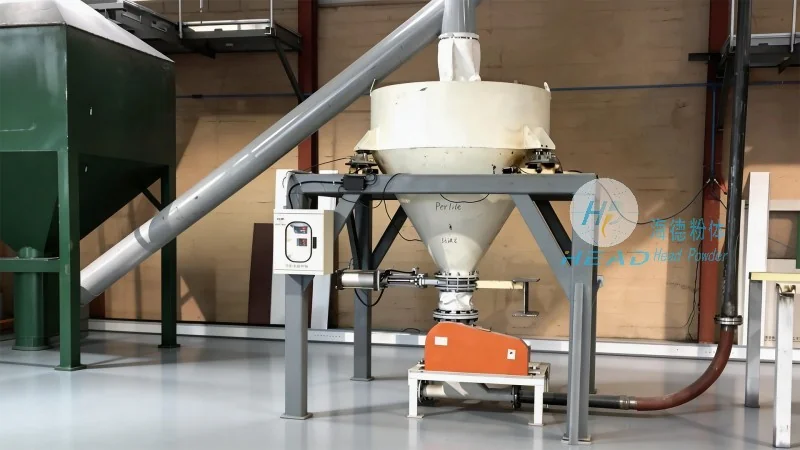
Key parameters such as air pressure, flow rate, and particle size significantly influence the efficiency of the conveying process. Properly adjusting these parameters ensures that the iron oxide particles are transported without clogging or degradation. For example, higher air velocities may be required for finer iron oxide particles to prevent settling or blockages in the conveying line. Conversely, larger particles may require lower air velocities to maintain stability and prevent excessive wear on the system components.
Advantages of Pneumatic Conveying for Iron Oxide
Pneumatic conveying offers several advantages over traditional methods like belt conveyors or bucket elevators for transporting iron oxide. One of the primary benefits is the ability to handle fine powders without the need for mechanical contact, reducing the risk of product contamination and degradation. The system is also highly flexible, allowing for changes in the conveying route or capacity without major modifications. Additionally, pneumatic conveying can be integrated with other processing equipment, such as mixers or reactors, to form a continuous production line, enhancing overall efficiency.
Another advantage is the reduced risk of dust emissions and environmental contamination. The enclosed system design minimizes the release of iron oxide particles into the environment, making it more environmentally friendly compared to open conveyors. This is particularly important for iron oxide, which can be a respiratory hazard if inhaled. The system also allows for better control over the material's moisture content and temperature, ensuring the iron oxide remains in optimal condition for downstream applications.
Considerations for System Design and Maintenance
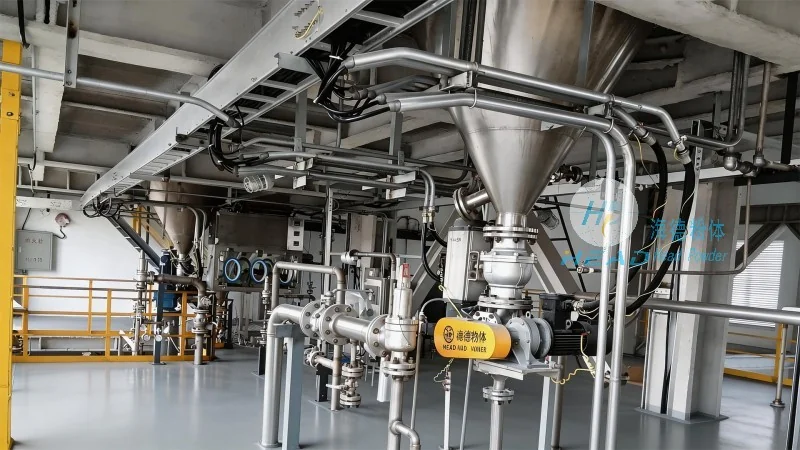
Designing an effective iron oxide pneumatic conveying system requires careful consideration of several factors. The system must be tailored to the specific characteristics of the iron oxide, including its particle size distribution, moisture content, and flowability. The material of construction is also critical, as iron oxide can be abrasive and corrosive. Stainless steel is often preferred for its durability and resistance to corrosion, while other materials like PTFE may be used for more aggressive applications.
Maintenance of the pneumatic conveying system is essential to ensure long-term performance and reliability. Regular inspection of components such as the rotary valve, conveying line, and venturi is necessary to detect and address any wear or damage. Cleaning the system, especially after handling different materials or when the system is not in use, is crucial to prevent clogging and maintain efficiency. Proper filtration of the air stream is also important to protect the system components and ensure the purity of the iron oxide powder.
About Shandong HeadPowder Engineering Co., Ltd.
Shandong HeadPowder Engineering Co., Ltd., operating under the brand name headpowder, is a leading provider of engineering solutions for material handling and processing. With a focus on innovation and quality, the company specializes in designing and manufacturing pneumatic conveying systems tailored to the needs of various industries, including chemical, pharmaceutical, and food processing. Headpowder's expertise lies in understanding the unique challenges of handling fine powders like iron oxide and developing customized solutions that enhance operational efficiency and product quality.
Headpowder's commitment to customer satisfaction and technological advancement has established it as a trusted partner in the industry. The company's team of experienced engineers and technicians work closely with clients to understand their specific requirements and provide tailored solutions. By leveraging advanced technology and rigorous quality control, headpowder ensures that its pneumatic conveying systems meet the highest standards of performance and reliability. Based in Shandong, China, headpowder serves clients both domestically and internationally, delivering solutions that contribute to the success of their operations.