

Principle of Plastic Pellet Pneumatic Conveying System
Plastic pellet pneumatic conveying systems are advanced industrial solutions designed to efficiently transport plastic granules through a pipeline using air pressure. This technology offers a reliable and flexible method for moving plastic materials from one location to another within manufacturing facilities. The system operates by creating a flow of air that propels the plastic pellets through the pipeline, eliminating the need for mechanical components like belts or chains that are common in traditional conveying systems. By leveraging the principles of fluid dynamics and air movement, these systems ensure consistent and controlled material handling, which is crucial for maintaining product quality and operational efficiency in plastic processing industries.
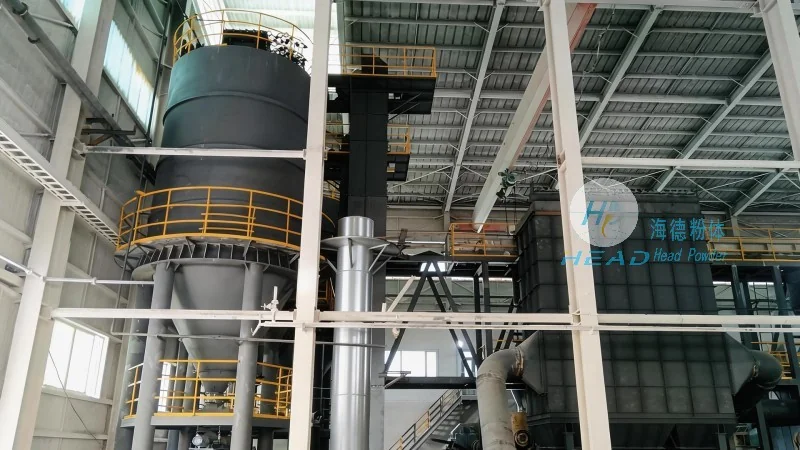
Core Components and Working Principle
The plastic pellet pneumatic conveying system consists of several key components that work in tandem to achieve effective material transport. The primary components include a hopper or feeder for loading the plastic pellets, a blower or compressor to generate the necessary air pressure, a pipeline network to guide the material, and a receiver or discharge unit for collecting the conveyed pellets. The working principle involves feeding the plastic pellets into the system, where the blower creates a high-pressure air stream. This air stream is then introduced into the pipeline, and the plastic pellets are entrained by the air flow, moving through the pipeline to the discharge point. The system can operate in either positive pressure (where air is forced through the pipeline) or negative pressure (where air is drawn from the pipeline) modes, depending on the specific application requirements. The design of the system ensures that the plastic pellets are transported without degradation, as the air flow is controlled to prevent excessive friction or heat generation that could affect the material's properties.
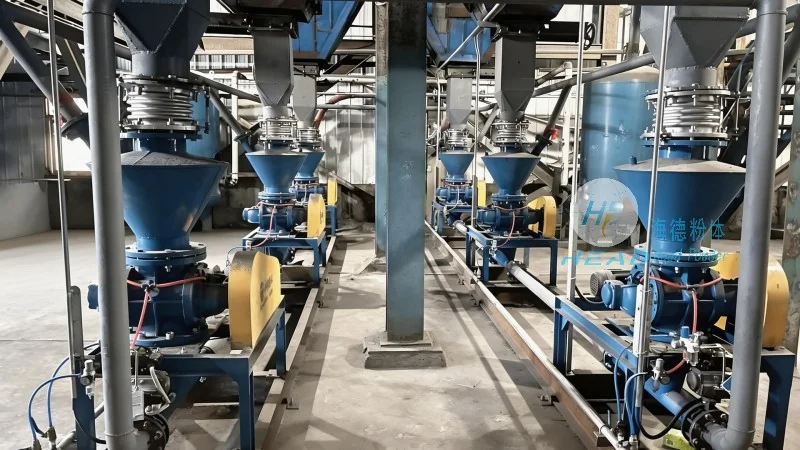
Advantages of Pneumatic Conveying for Plastic Pellets
Compared to traditional mechanical conveying methods, plastic pellet pneumatic conveying systems offer several distinct advantages. One of the most significant benefits is the ability to transport materials over long distances without the need for multiple transfer points or additional equipment. This reduces the overall footprint of the system and simplifies the layout of the manufacturing facility. Additionally, pneumatic conveying systems are highly flexible, allowing for changes in material flow direction or capacity without major modifications to the infrastructure. The system also provides a hygienic and clean environment for handling plastic pellets, as the material is contained within the pipeline and does not come into direct contact with external surfaces. This is particularly important in industries where product purity and contamination control are critical, such as food packaging or medical device manufacturing. Furthermore, pneumatic conveying systems can handle a wide range of plastic pellet sizes and shapes, from fine powders to larger granules, making them versatile for various applications. The energy efficiency of these systems is another key advantage, as they can operate with lower power consumption compared to mechanical systems, especially when transporting materials over shorter distances.
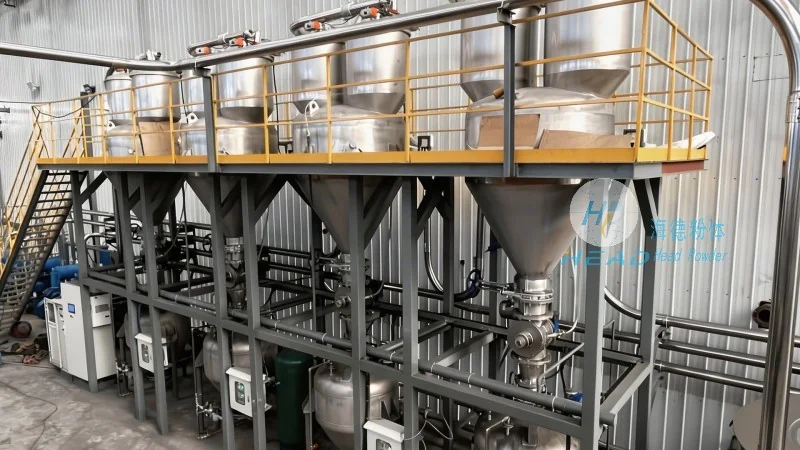
Applications in Plastic Processing Industries
Plastic pellet pneumatic conveying systems are widely used in various plastic processing industries, including polymer manufacturing, plastic extrusion, and plastic molding. In polymer manufacturing, these systems are used to transport raw plastic pellets from storage silos to processing lines, ensuring a continuous supply of material for production. In plastic extrusion, the system helps move pellets from the hopper to the extruder, maintaining a steady flow of material that is essential for producing consistent extruded products. In plastic molding, pneumatic conveying is used to transport pellets from storage to the molding machines, reducing downtime and improving production throughput. The systems are also utilized in recycling facilities, where they help convey plastic waste or recycled pellets from sorting and cleaning processes to the reprocessing equipment. The versatility and reliability of pneumatic conveying make it an ideal solution for these applications, as it can handle different types of plastic materials and varying production demands.
Company Overview: Shandong HeadPowder Engineering Co., Ltd.
Shandong HeadPowder Engineering Co., Ltd., commonly known as HeadPowder, is a leading manufacturer and supplier of pneumatic conveying systems and related industrial equipment. With a strong focus on innovation and quality, the company has established itself as a trusted partner in the plastic processing industry. HeadPowder specializes in designing and manufacturing custom pneumatic conveying systems tailored to the specific needs of its clients. The company's products are known for their durability, efficiency, and reliability, which are critical factors in industrial applications. HeadPowder's team of engineers and technicians work closely with clients to understand their operational requirements and develop solutions that meet their unique challenges. The company adheres to strict quality control standards, ensuring that all products meet or exceed industry specifications. HeadPowder's commitment to customer satisfaction and technical excellence has earned it a reputation as a reliable and professional supplier in the market.
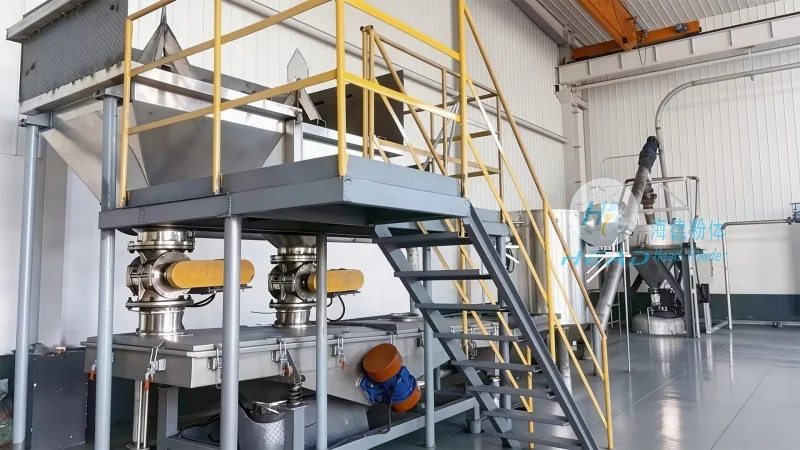
Customization and Technical Support
HeadPowder offers comprehensive customization options for its plastic pellet pneumatic conveying systems, allowing clients to tailor the system to their specific operational needs. The company provides a range of standard configurations as well as custom designs that can accommodate various material types, flow rates, and pipeline lengths. Clients can choose from different blower types, pipeline materials, and control systems to suit their requirements. HeadPowder's technical support team is available to assist clients throughout the entire process, from system design and installation to maintenance and troubleshooting. The company provides detailed technical documentation and training to help clients operate and maintain the systems effectively. Additionally, HeadPowder offers after-sales support services, including regular maintenance checks and spare parts availability, to ensure the long-term performance and reliability of the systems. This comprehensive support ensures that clients can rely on the system to operate efficiently and meet their production goals.