

Principle of Stone Powder and Limestone Pneumatic Conveying System
HeadPowder, a leading provider in the field, specializes in the design and implementation of pneumatic conveying systems tailored for handling stone powder and limestone. These systems are engineered to efficiently transport bulk materials over varying distances with minimal operational complexity. The core principle revolves around using compressed air to move particulate materials through a pipeline network, ensuring a reliable and cost-effective solution for industrial applications.
Key Components and Their Functions
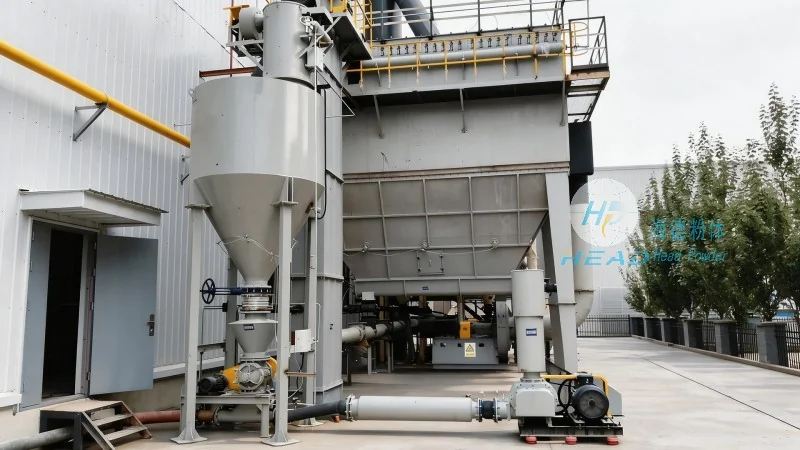
The pneumatic conveying system for stone powder and limestone typically comprises several critical components, each playing a vital role in the overall operation. The primary elements include the material feed hopper, which stores and regulates the flow of the bulk material; the air compressor, responsible for generating the necessary pressure to move the material; the conveying pipeline, which forms the transport path; and the receiver or discharge unit, where the material is deposited. Additionally, accessories such as rotary valves, filters, and pressure regulators may be integrated to enhance system performance and ensure safe operation.
Working Principle of the System
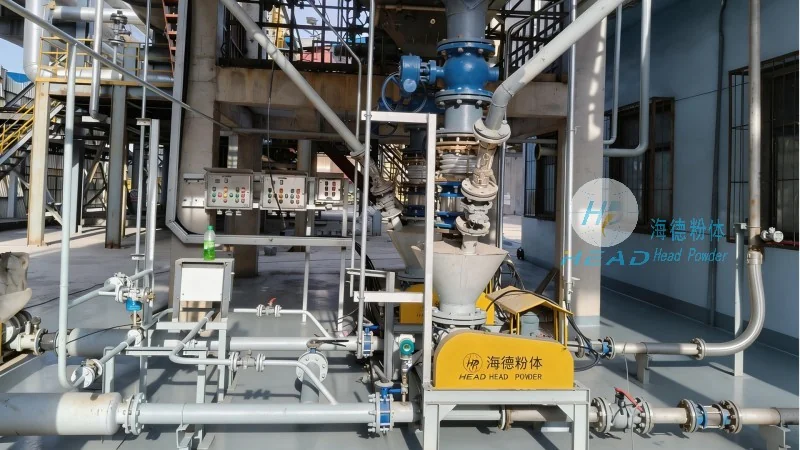
The operation of the pneumatic conveying system begins with the material being fed from the hopper into the pipeline. The air compressor then supplies compressed air, which is introduced into the pipeline at specific points. As the air flows through the system, it creates a pressure differential that propels the stone powder or limestone particles forward. The velocity of the air and the particle size distribution are crucial factors that determine the efficiency of the conveying process. The system can operate in either dilute-phase or dense-phase modes, depending on the material characteristics and the required transport distance. In dilute-phase conveying, the material is suspended in the air stream, while in dense-phase conveying, the material moves in a plug-like formation, often requiring higher air pressure and lower flow rates.
Advantages of Pneumatic Conveying for Stone Powder and Limestone
Implementing a pneumatic conveying system for stone powder and limestone offers numerous advantages over traditional methods like belt conveyors or bucket elevators. One of the most significant benefits is the ability to transport materials vertically and horizontally over long distances without the need for multiple transfer points. This reduces the risk of material spillage and contamination, which is particularly important for limestone used in cement production or stone powder in construction applications. Furthermore, the system is highly flexible, allowing for easy integration into existing production lines and modifications to accommodate varying material volumes. The enclosed pipeline design also minimizes dust emissions, contributing to a cleaner and safer working environment. From an operational standpoint, pneumatic conveying systems are generally more energy-efficient and require less maintenance compared to mechanical conveying systems, leading to lower long-term operational costs.
Application Scenarios and Industry Use Cases
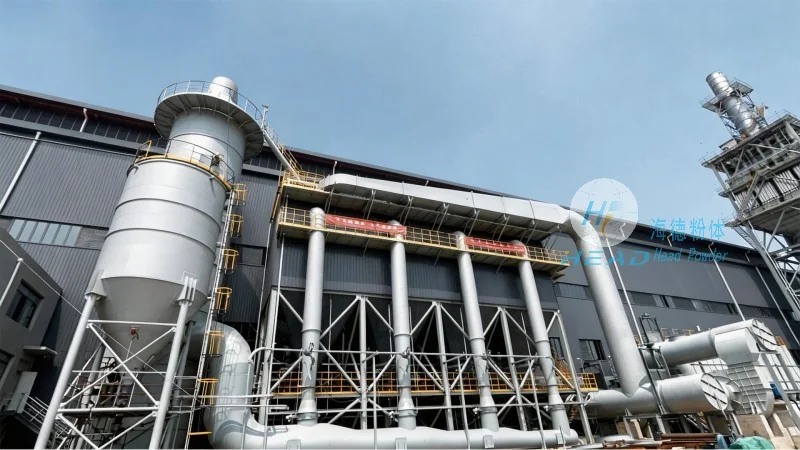
The pneumatic conveying system developed by Shandong HeadPowder Engineering Co., Ltd. is widely applied in various industries that rely on the handling of stone powder and limestone. In the cement industry, these systems are used to transport limestone from storage silos to the raw material preparation area, ensuring a continuous and uninterrupted supply of raw materials. In the construction sector, they facilitate the movement of stone powder from processing plants to construction sites, enabling efficient material distribution for concrete and mortar production. Additionally, in the mining and quarrying industries, the system is employed to transport crushed stone and limestone from the extraction site to processing facilities or storage areas. The versatility of the system makes it suitable for a range of applications, from small-scale operations to large industrial plants, providing a reliable solution for material handling needs.
Customization and System Design Considerations
At Shandong HeadPowder Engineering Co., Ltd., we understand that each industrial application has unique requirements. Therefore, our pneumatic conveying systems are designed with customization in mind. The system design process begins with a thorough analysis of the material properties, such as particle size, density, and moisture content, as well as the required transport distance and flow rate. Based on this analysis, the system components are selected and configured to optimize performance. For example, the choice between dilute-phase and dense-phase conveying depends on the material characteristics and the desired transport efficiency. The pipeline diameter, air pressure, and compressor capacity are all tailored to meet the specific operational needs. Furthermore, we consider factors like space constraints, environmental regulations, and safety standards during the design phase to ensure the system complies with all relevant requirements. Our team of engineers works closely with clients to develop a customized solution that maximizes efficiency and minimizes operational costs.
Maintenance and Operational Guidelines
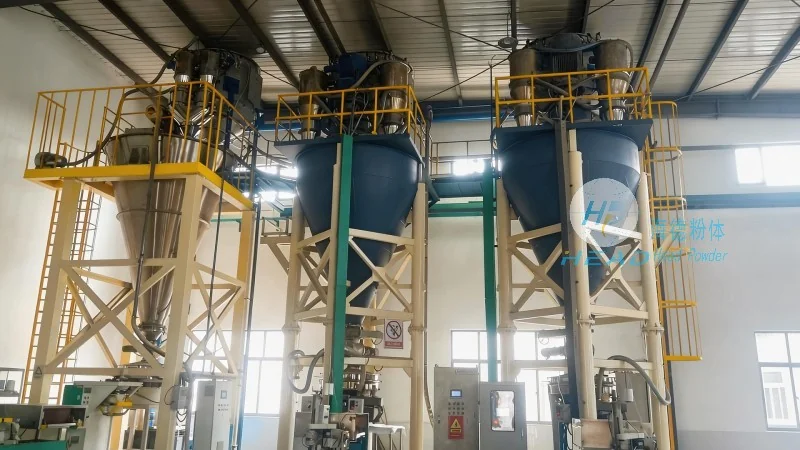
To ensure the longevity and optimal performance of the pneumatic conveying system, regular maintenance and adherence to operational guidelines are essential. The system components, particularly the air compressor and pipeline, require periodic inspection and maintenance to prevent wear and tear. Filters should be checked and replaced as needed to maintain air quality and prevent clogging. The rotary valves and other moving parts should be lubricated and adjusted according to the manufacturer's specifications. Operational guidelines include monitoring the system pressure and flow rates, as well as checking for any signs of material blockage or air leaks. In case of system malfunctions, immediate troubleshooting is necessary to identify and resolve the issue. Proper training of operators on the system's operation and maintenance procedures is also crucial to prevent accidents and ensure smooth operation. By following these guidelines, the system can operate efficiently and reliably, providing consistent performance over its service life.
Conclusion and Company Overview
Shandong HeadPowder Engineering Co., Ltd. is a trusted name in the industry, dedicated to providing high-quality pneumatic conveying systems for stone powder and limestone. Our expertise in system design, manufacturing, and installation ensures that clients receive a reliable and efficient solution tailored to their specific needs. With a focus on innovation and customer satisfaction, we continue to develop advanced technologies that enhance the performance and sustainability of material handling systems. Based in China, our company leverages local expertise and resources to deliver solutions that meet international standards while addressing the unique challenges of the local market. Whether for new installations or system upgrades, HeadPowder is committed to delivering solutions that improve operational efficiency and reduce costs for our clients.