

Principle of High-Calcium Limestone Powder Pneumatic Conveying System
High-calcium limestone powder is a critical raw material in numerous industrial processes, and the efficient handling of this fine powder is vital for maintaining production efficiency and product quality. The high-calcium limestone powder pneumatic conveying system is a specialized technology designed to transport this material safely and effectively. This article provides a detailed explanation of the working principle, key components, and operational mechanisms of such a system, highlighting its importance in industrial applications.
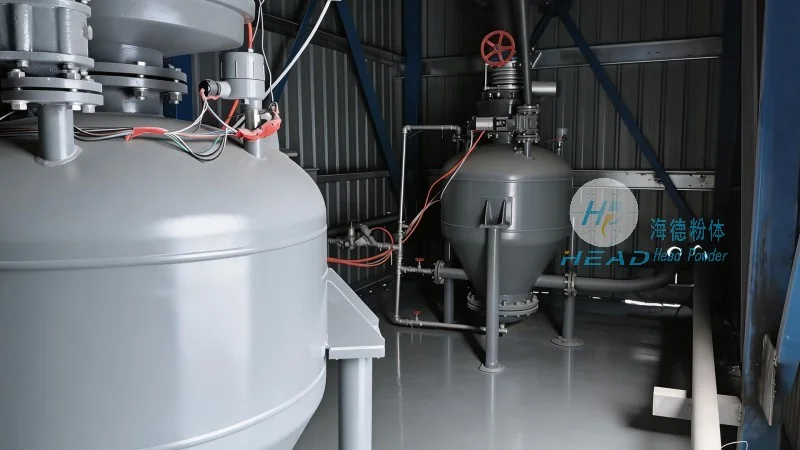
Overview of High-Calcium Limestone Powder Pneumatic Conveying System
The high-calcium limestone powder pneumatic conveying system utilizes compressed air or other gas to transport dry powders, including high-calcium limestone, through a pipeline. This method offers advantages over traditional mechanical conveying systems, such as reduced equipment wear, lower maintenance costs, and the ability to handle materials in a dust-free environment. The system is particularly suitable for fine powders prone to caking or agglomeration, as the pneumatic action keeps particles suspended and prevents blockages.
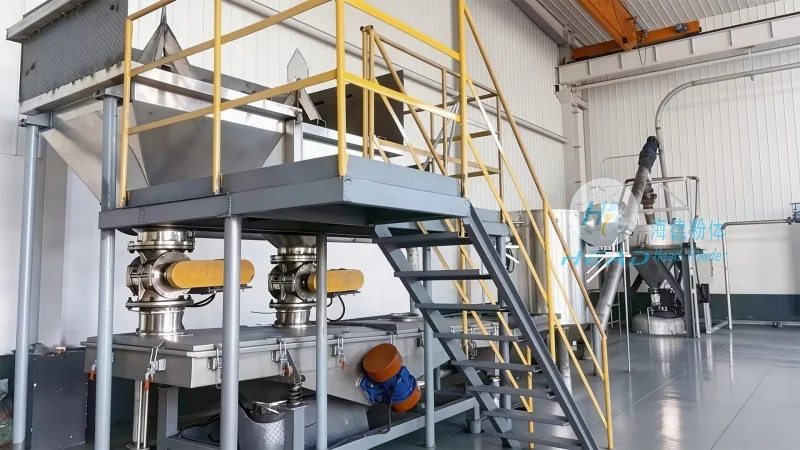
Key Components and Working Principle
The core components of a high-calcium limestone powder pneumatic conveying system typically include a material feeder, a compressor or air source, a conveying pipeline, a dust collector or filter system, and a discharge device. The working principle involves: First, the high-calcium limestone powder is fed from a storage hopper or silo via a material feeder (e.g., rotary valve or screw feeder) to maintain a consistent flow rate. Next, compressed air from the air source is introduced into the pipeline, creating a flow that lifts and transports the powder particles. The air-powder mixture travels through the pipeline to the discharge point, where a separator (e.g., cyclone) separates the powder from the air. The air is filtered and either recirculated or released, while the powder is collected in a designated container.
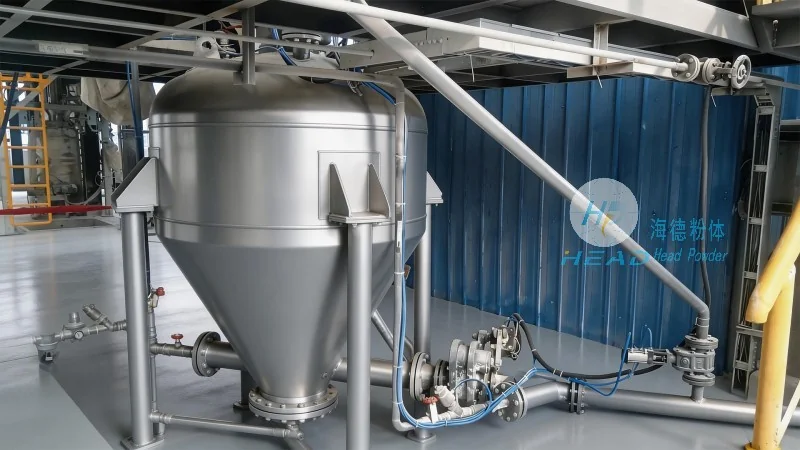
Advantages of Pneumatic Conveying for High-Calcium Limestone Powder
Compared to other conveying methods like belt conveyors or bucket elevators, pneumatic conveying offers distinct benefits for high-calcium limestone powder. These include: 1. Reduced Material Degradation: Gentle handling minimizes particle breakage and degradation, preserving limestone quality. 2. Prevention of Contamination: The enclosed system prevents dust from entering the environment and keeps the material free from external contaminants. 3. Flexible Layout: The system can be configured with multiple branches and bends, enabling complex material flow paths without additional equipment. 4. Lower Energy Consumption: While initial setup costs may be higher, operational energy use is often lower than mechanical systems, especially for long-distance or high-volume transport.
Operational Considerations and Maintenance
Proper operation and maintenance are crucial for the system's efficient and reliable performance. Key considerations include maintaining consistent air pressure and flow rates to ensure proper particle suspension, regular cleaning of the pipeline and filter system to prevent clogging, and monitoring for air leaks or pressure drops. Regular maintenance, such as replacing worn parts and cleaning the dust collector, is essential to extend the system's lifespan and prevent downtime. Safety features like explosion-proof components (for flammable powders) and proper ventilation are also important to ensure a safe working environment.
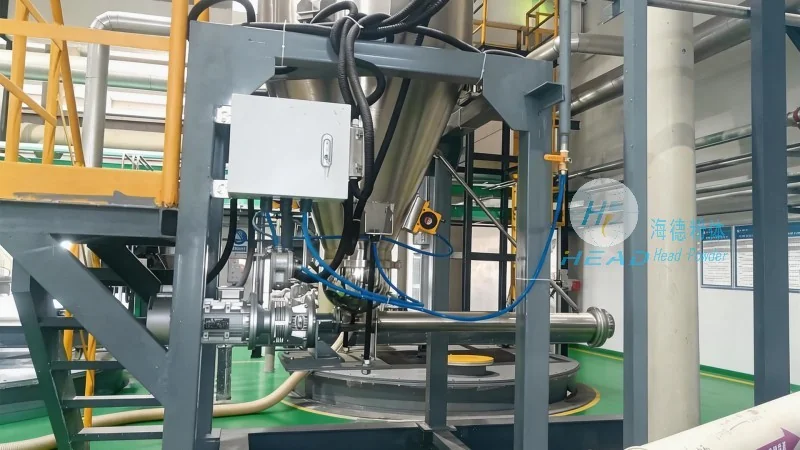
Applications in Industrial Settings
High-calcium limestone powder pneumatic conveying systems are widely used in sectors like chemical manufacturing, cement production, and food processing. In the chemical industry, they transport limestone for producing calcium-based chemicals (e.g., calcium carbonate, calcium chloride). In cement production, the system conveys limestone to the raw material preparation stage, where it is mixed with clay and iron ore. In food processing, the system handles limestone powder for calcium fortification in dairy products or as a dietary supplement. The system's versatility makes it suitable for various applications requiring efficient, clean handling of fine powders.