

[Foam Plastic Pneumatic Conveying System Principles]
HeadPowder, also known as Shandong HeadPowder Engineering Co., Ltd., is a professional manufacturer and supplier based in Shandong, China. The company specializes in the design, development, and production of advanced pneumatic conveying systems tailored for foam plastic materials. With a strong focus on innovation and customer satisfaction, HeadPowder has established itself as a reliable partner in the material handling industry.
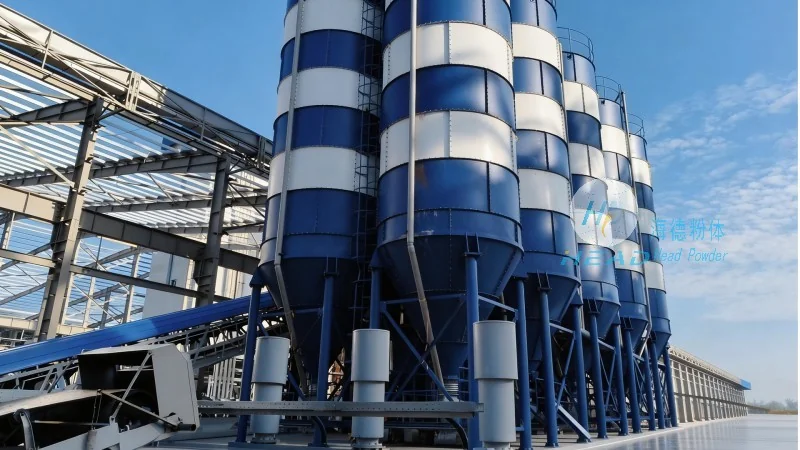
Principles of Pneumatic Conveying Systems for Foam Plastic
The foam plastic pneumatic conveying system operates on the fundamental principle of using air pressure to transport granular or powdered materials through a pipeline. In this system, a blower or compressor generates a flow of air that moves the foam plastic particles from the source to the destination. The system typically consists of several key components, including a hopper for material storage, a feeder to control the flow rate, a pipeline network for material transport, and a receiver to collect the conveyed material. The air flow is carefully managed to ensure efficient and gentle handling of the lightweight foam plastic, minimizing material degradation and ensuring consistent performance. The system works by creating a pressure differential between the source and the destination, with the blower or compressor introducing high-pressure air into the pipeline at the source end. As the air flows through the pipeline, it picks up the foam plastic particles from the hopper and carries them to the receiver. Advanced control mechanisms regulate air pressure, flow rate, and material feed, ensuring precise and stable operation. The design incorporates features to prevent material blockages and maintain consistent air flow, which is crucial for preserving the integrity of the foam plastic particles.
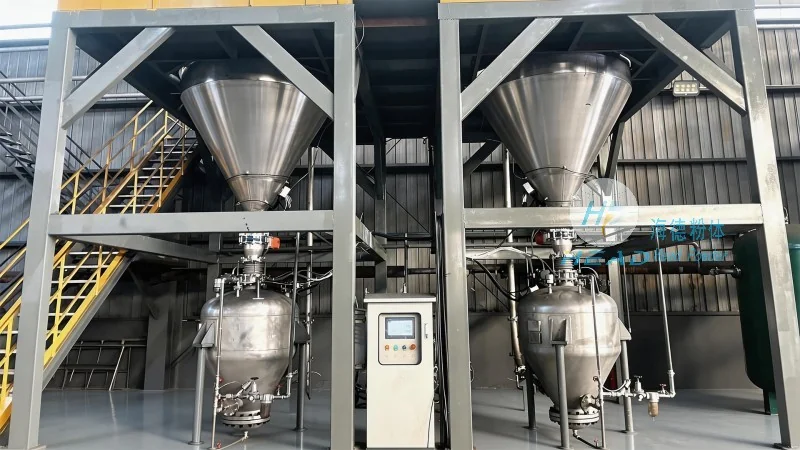
Technical Features and Advantages
HeadPowder's foam plastic pneumatic conveying systems are engineered with several distinctive features that enhance their performance and reliability. One key aspect is the use of low-pressure or high-pressure air systems, depending on the specific application requirements. Low-pressure systems are suitable for short-distance transport and gentle material handling, while high-pressure systems are ideal for longer distances and more demanding conditions. The systems incorporate advanced control mechanisms to regulate air pressure, flow rate, and material feed, ensuring precise and stable operation. The pipelines are typically made of corrosion-resistant materials such as stainless steel or polyethylene, which are suitable for handling foam plastic and preventing material buildup. Hoppers and feeders are designed with smooth surfaces and minimal dead zones to prevent material accumulation and ensure consistent feeding. The control systems use sensors and feedback mechanisms to monitor parameters such as air pressure, flow rate, and material level, allowing for real-time adjustments and optimization of the conveying process. This ensures that the system operates at peak efficiency and minimizes downtime or operational issues.
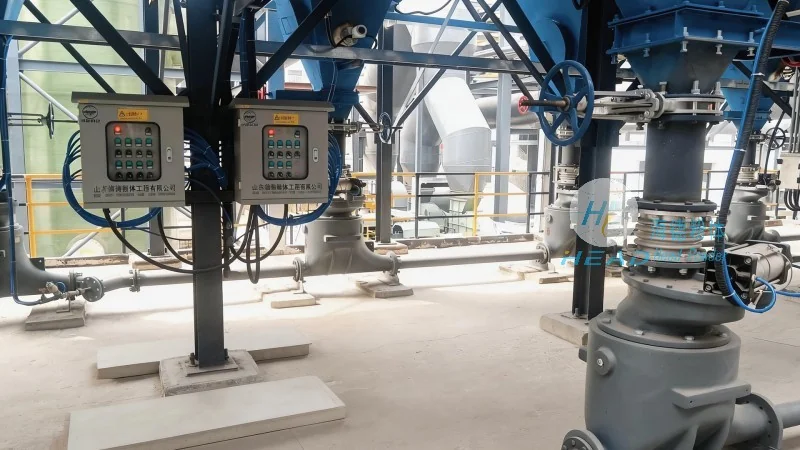
Applications in Industrial Settings
The foam plastic pneumatic conveying systems developed by HeadPowder are widely used in various industrial applications where the handling of lightweight, low-density materials is required. These systems are commonly employed in the manufacturing of foam plastics, such as polystyrene, polyethylene, and other similar materials. They are also utilized in industries like packaging, construction, and automotive manufacturing, where foam plastic components need to be transported efficiently from production lines to storage or processing areas. The systems are particularly beneficial in environments where traditional mechanical conveying methods may cause damage to the foam plastic, as the pneumatic approach provides a non-contact, gentle transport method. In the manufacturing of foam plastics, the systems are used to transport raw materials from storage silos to processing machines and finished products from production lines to packaging areas. In the packaging industry, they convey foam plastic packaging materials to assembly lines or storage facilities. In the construction industry, they transport foam plastic insulation materials to building sites. In the automotive industry, they handle foam plastic components used in vehicle interiors and exteriors. In each of these applications, the systems provide a reliable and efficient means of material transport, ensuring that production processes run smoothly and efficiently.
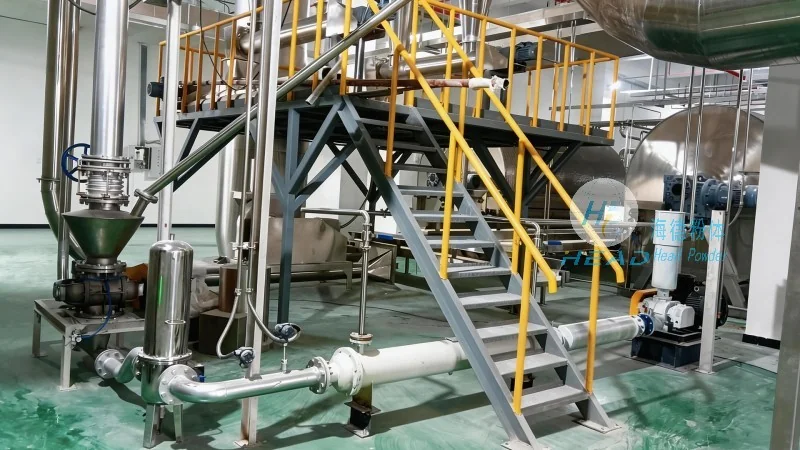
Advantages Over Traditional Conveying Methods
Compared to traditional mechanical conveying systems, such as screw conveyors or belt conveyors, the foam plastic pneumatic conveying systems offer several advantages. Firstly, they provide a more gentle and non-abrasive transport method, which helps maintain the quality and integrity of the foam plastic particles. This is especially important for materials that are sensitive to pressure or friction. Secondly, the pneumatic systems are more flexible in terms of layout and can be easily reconfigured to accommodate changes in production processes or facility layouts. Thirdly, they offer better dust control and environmental protection, as the material is contained within the pipeline and the air flow is managed to minimize dust emissions. Finally, the systems are generally more energy-efficient and can reduce operational costs compared to mechanical alternatives, making them a cost-effective solution for foam plastic handling. Another key advantage is their ability to handle a wide range of foam plastic materials, including different densities, shapes, and sizes. The systems can be customized to accommodate various material characteristics, ensuring that the conveying process is optimized for each specific application. Additionally, the systems are relatively easy to install and maintain, with modular components that can be replaced or upgraded as needed. This reduces the overall maintenance costs and increases the system's lifespan. The non-contact nature of the pneumatic transport also helps to prevent contamination of the foam plastic, which is critical for applications where material purity is essential, such as in food packaging or medical device manufacturing.