

Principle of Desulfurization and Dust Removal Ash Pneumatic Conveying System
The desulfurization and dust removal ash pneumatic conveying system is a critical component in modern industrial processes, particularly in power plants and other facilities that rely on combustion of fossil fuels. This system is designed to handle the byproducts of flue gas treatment, such as fly ash and gypsum, which are generated during the desulfurization and dust removal stages. The primary objective of this system is to transport these materials efficiently and safely from the treatment units to the storage or disposal locations. By leveraging pneumatic conveying technology, the system ensures minimal environmental impact and operational efficiency.
Key Components of the Pneumatic Conveying System
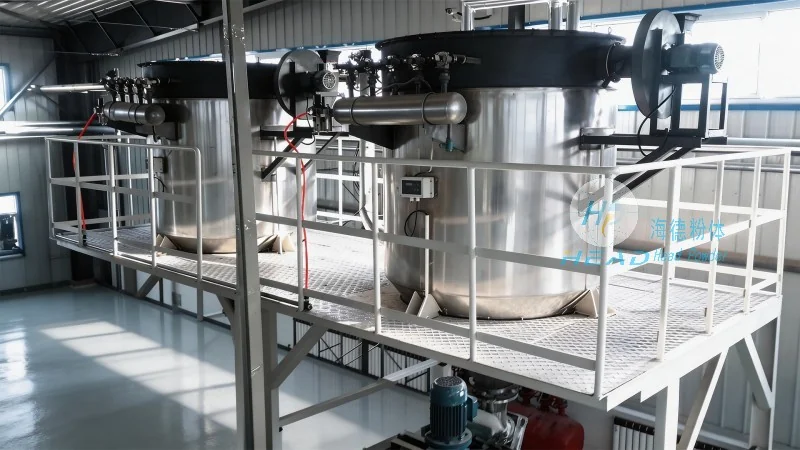
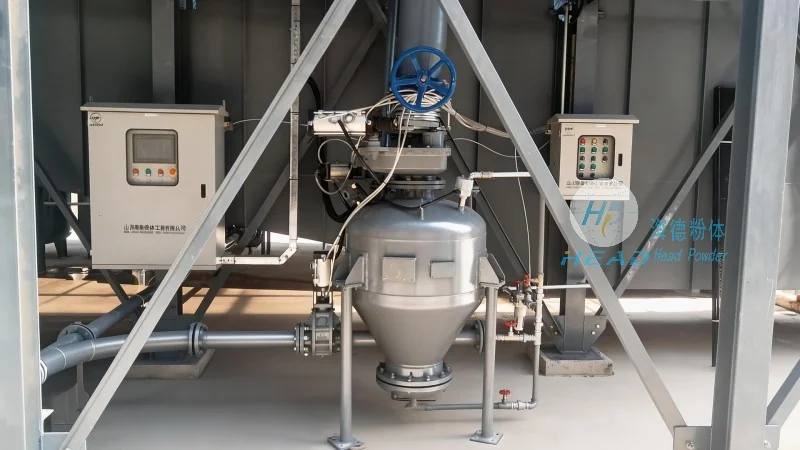
The pneumatic conveying system for desulfurization and dust removal ash typically consists of several key components that work in tandem to achieve the desired material transport. These components include the ash collection hopper, the conveying pipeline, the air supply system (including fans and blowers), and the control valves. The ash collection hopper is responsible for collecting the ash produced by the desulfurization and dust removal equipment. It is usually equipped with a rotary valve or a gate valve to control the flow of ash into the conveying pipeline. The conveying pipeline is made of high-quality materials, such as stainless steel or plastic, to withstand the abrasive nature of the ash and the corrosive effects of any remaining chemicals. The air supply system provides the necessary pressure and volume of air to move the ash through the pipeline. This system includes fans or blowers that generate the required airflow, along with pressure regulators and filters to maintain consistent performance. The control valves are used to regulate the flow of ash and air, ensuring smooth and controlled operation of the system.
Working Principle of the Pneumatic Conveying Process
The working principle of the desulfurization and dust removal ash pneumatic conveying system is based on the use of compressed air to transport solid particles. The process begins with the ash being discharged from the collection hopper into the conveying pipeline. The rotary valve or gate valve then opens, allowing the ash to enter the pipeline. Simultaneously, the air supply system generates a high-pressure airflow that is introduced into the pipeline at the inlet of the conveying section. The compressed air creates a negative pressure (or positive pressure) within the pipeline, which draws the ash particles into the airflow. As the ash particles are entrained by the air, they are carried along the pipeline to the discharge point. The velocity of the air is crucial in this process; it must be sufficient to overcome the gravitational force of the ash particles and any frictional losses in the pipeline. The system is designed to maintain a consistent air velocity to ensure reliable and continuous ash transport. The discharge point is typically a storage silo or a disposal unit, where the ash is collected and handled further.
Advantages of Pneumatic Conveying for Ash Handling
Compared to traditional mechanical conveying methods, such as belt conveyors or bucket elevators, pneumatic conveying offers several advantages for handling desulfurization and dust removal ash. One of the primary advantages is the ability to transport ash over long distances without the need for multiple transfer points or intermediate storage. This reduces the overall footprint of the system and minimizes the risk of ash spillage or contamination. Another advantage is the reduced risk of dust emissions during the transport process. Since the ash is conveyed in a closed pipeline system, there is minimal exposure to the environment, which helps to maintain air quality and comply with environmental regulations. Additionally, pneumatic conveying systems are more flexible in terms of layout and can be easily integrated with existing infrastructure. They can be adapted to handle varying ash compositions and flow rates, making them suitable for a wide range of industrial applications. The system also provides better control over the ash flow, allowing for precise regulation of the discharge rate and preventing overloading or underloading of the downstream equipment.
Application in Industrial Facilities
The desulfurization and dust removal ash pneumatic conveying system is widely used in various industrial facilities, particularly in power generation plants that use coal as a fuel source. In these facilities, the system is an integral part of the flue gas treatment process, which is designed to reduce sulfur dioxide (SO2) and particulate matter emissions. The ash generated by the desulfurization process, such as gypsum, is often used as a raw material in the production of building materials, such as gypsum boards. The pneumatic conveying system efficiently transports this valuable material from the desulfurization unit to the storage or processing facilities. Similarly, the fly ash produced by the dust removal process is often used as a supplementary cementitious material in concrete production. The system ensures that this valuable resource is recovered and utilized effectively, contributing to the sustainability of the industrial process. In addition to power plants, the system is also used in other industries, such as cement manufacturing and waste incineration, where ash handling is a critical aspect of the operation.
Operational Considerations and Maintenance
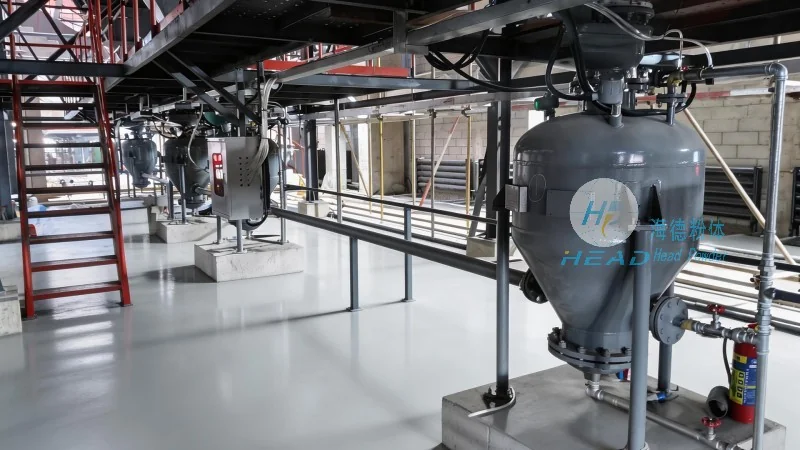
Proper operation and maintenance of the desulfurization and dust removal ash pneumatic conveying system are essential to ensure its efficiency and longevity. Regular inspection of the conveying pipeline and components is necessary to detect any signs of wear or damage. The air supply system should be checked for proper functioning, including the fans, blowers, and pressure regulators. The ash collection hopper and discharge point should be monitored for any blockages or buildup of ash, which can affect the system's performance. Cleaning of the pipeline and components is also important to prevent the accumulation of ash and maintain the system's efficiency. The use of appropriate filters and separators in the air supply system helps to remove any debris or moisture that could affect the airflow and the ash transport. Regular maintenance, such as lubrication of moving parts and replacement of worn components, is recommended to ensure the system operates smoothly and reliably. By following proper operational and maintenance procedures, the system can achieve high efficiency and minimal downtime, contributing to the overall productivity of the industrial facility.
Conclusion
The desulfurization and dust removal ash pneumatic conveying system is a sophisticated and efficient technology that plays a vital role in modern industrial processes. By leveraging pneumatic conveying principles, this system effectively handles the byproducts of flue gas treatment, ensuring safe and environmentally friendly transport. The system's key components, working principles, and advantages make it an ideal solution for various industrial applications, particularly in power generation and other facilities that rely on combustion of fossil fuels. With proper operation and maintenance, the system can provide long-term reliability and contribute to the sustainability of industrial operations. As industrial processes continue to evolve, the importance of efficient ash handling systems like this will only increase, making it a critical investment for any facility involved in flue gas treatment.