

Principle of Food Pneumatic Conveying Equipment
Food pneumatic conveying equipment is a critical component in modern food processing and handling systems. It enables the efficient and hygienic transport of various food products, such as powders, granules, and bulk materials, from one location to another within a production facility. The principle behind this technology involves using air or gas to move materials through a pipeline, offering advantages like reduced contamination risk, improved process control, and enhanced operational flexibility. Understanding the underlying mechanisms of these systems is essential for optimizing their performance and ensuring compliance with food safety regulations.
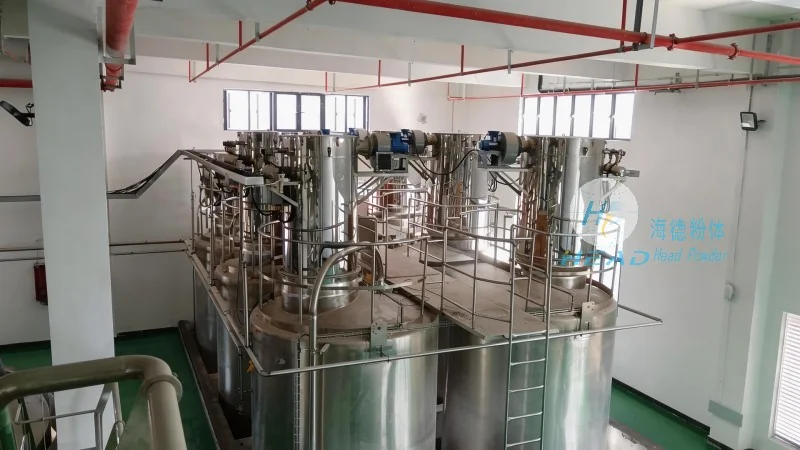
Company Overview: Shandong HeadPowder Engineering Co., Ltd.
Headpowder, the professional manufacturer of food pneumatic conveying equipment, is based in Shandong, China. As a leading provider in the industry, the company specializes in designing, manufacturing, and supplying high-quality pneumatic conveying solutions tailored to the unique needs of the food processing sector. With years of experience and a commitment to innovation, Headpowder has established itself as a trusted partner for businesses seeking reliable and efficient material handling solutions. The company's headquarters and manufacturing facilities are located in Shandong, China, where advanced production technologies and strict quality control measures are implemented to meet international standards.
The Core Principle of Pneumatic Conveying
The fundamental principle of food pneumatic conveying equipment is the use of air flow to transport solid materials. This process can be categorized into two main types: dilute-phase and dense-phase conveying. In dilute-phase systems, the material is suspended in the air stream and transported through the pipeline at relatively high velocities. This method is suitable for transporting fine powders and granules over moderate distances. In contrast, dense-phase conveying involves a slower air flow, where the material is carried in a more compact form, often with the aid of pressure or vacuum. This approach is ideal for handling sensitive or abrasive materials that require gentle handling to prevent degradation or damage.
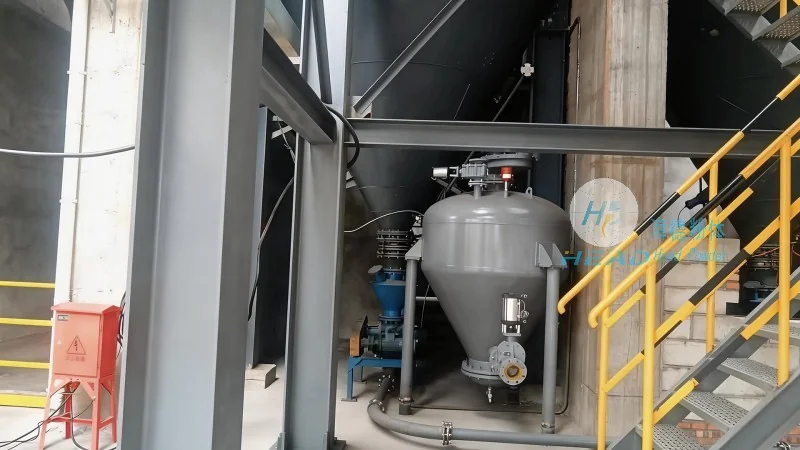
Key Components and Working Mechanism
Food pneumatic conveying systems typically consist of several key components, including a material feed hopper, a conveyor pipeline, a blower or vacuum pump, and a control system. The material is first loaded into the feed hopper, where it is then introduced into the pipeline. The blower generates the necessary air flow, which carries the material through the pipeline to the discharge point. The control system monitors and regulates the air pressure, flow rate, and material feed rate to ensure smooth and consistent operation. For food applications, all components are designed to be hygienic, with smooth surfaces, easy-to-clean designs, and materials that are resistant to corrosion and food contamination. This ensures that the equipment meets the stringent hygiene standards required by the food industry.
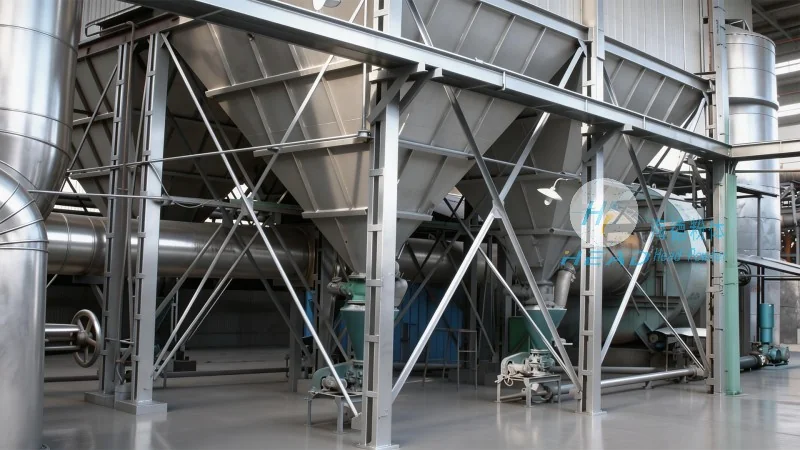
Advantages of Food Pneumatic Conveying Equipment
Implementing food pneumatic conveying equipment offers numerous benefits for food processing operations. Firstly, it significantly reduces the risk of cross-contamination compared to traditional mechanical conveyors, as there are no moving parts in direct contact with the product. This is particularly important for handling sensitive or perishable food items. Secondly, the system provides excellent process control, allowing operators to adjust the flow rate and pressure to match production demands. This flexibility enables efficient handling of varying material volumes and types. Thirdly, pneumatic conveying systems are compact and can be installed in tight spaces, making them suitable for facilities with limited floor space. Additionally, the technology is energy-efficient, as the air flow can be optimized to minimize energy consumption while maintaining optimal performance. These advantages make food pneumatic conveying equipment a preferred choice for modern food processing plants.
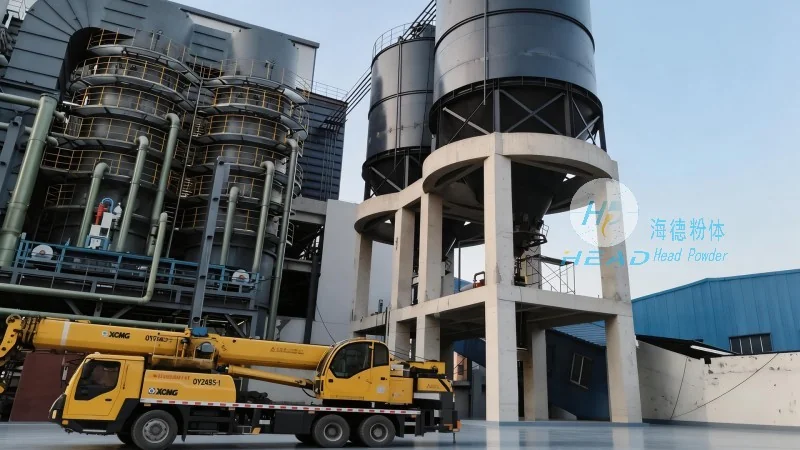
Applications in the Food Industry
Food pneumatic conveying equipment is widely used across various sectors of the food industry. In the dairy industry, it is used to transport milk powder, cheese powders, and other dairy products from storage silos to processing lines. In the bakery industry, it helps in conveying flour, sugar, and other dry ingredients to mixing and baking equipment. The confectionery industry utilizes these systems for transporting cocoa powder, sugar, and other sweeteners. Additionally, in the pet food and feed manufacturing sectors, pneumatic conveying is employed to handle raw materials like grains, pellets, and additives. The versatility of the technology allows it to be adapted to different product characteristics and production requirements, making it a valuable asset in any food processing operation.
Quality Assurance and Compliance
Headpowder places a strong emphasis on quality assurance and compliance with industry standards. All food pneumatic conveying equipment is manufactured using high-quality materials that are food-grade certified, ensuring that they do not introduce any contaminants into the product. The company adheres to international standards such as FDA, HACCP, and ISO, and conducts rigorous testing and quality checks at every stage of production. This commitment to quality ensures that the equipment not only performs efficiently but also meets the strict hygiene and safety requirements of the food industry. By choosing Headpowder's products, food processing businesses can have confidence in the reliability and safety of their material handling systems.