

Oat Pneumatic Conveying Equipment Principle
For businesses involved in oat processing, the efficiency and reliability of material handling systems are critical to operational success. Pneumatic conveying equipment has emerged as a preferred solution for transporting oats and other bulk materials due to its ability to minimize contamination, reduce labor costs, and enhance overall production flow. This article delves into the fundamental principles behind oat pneumatic conveying equipment, exploring its working mechanisms, key components, and the benefits it offers to the industry.
Introduction to Oat Pneumatic Conveying Equipment
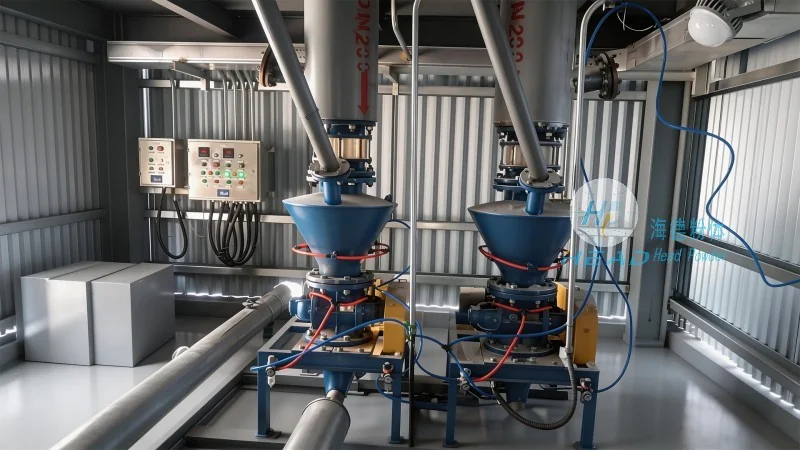
Oat pneumatic conveying equipment is a specialized system designed to transport oats and similar granular or powdery materials through a pipeline using air or gas as the conveying medium. Unlike traditional mechanical conveyors, which rely on belts or screws, pneumatic systems utilize pressure differentials to move materials, making them particularly suitable for handling delicate or sensitive products like oats. The technology has evolved significantly over the years, with modern systems offering greater efficiency, lower maintenance requirements, and improved safety features.
Key Components of the Oat Pneumatic Conveying System
The effectiveness of an oat pneumatic conveying system depends on several critical components that work in tandem to ensure smooth material transport. The primary components include:
- Feed Hopper: A container that holds the raw oats before they are introduced into the system. It is designed to regulate the flow of material and prevent blockages.
- Air Supply Unit: This component generates the necessary air pressure or vacuum to move the oats through the pipeline. It may include a blower, compressor, or vacuum pump, depending on the system configuration (e.g., pressure or suction type).
- Conveying Pipeline: The main channel through which the oats travel. Typically made of stainless steel or other corrosion-resistant materials to withstand the abrasive nature of oats and maintain hygiene standards.
- Separation and Cleaning Equipment: After the oats reach their destination, this component separates the material from the air and cleans the system. It may include cyclones, filters, or dust collectors to ensure that only the oats are delivered to the processing line.
- Control System: An automated or manual control panel that monitors and regulates the operation of the entire system, ensuring optimal performance and preventing issues such as overpressure or material buildup.
Working Principle of the Equipment
The operation of oat pneumatic conveying equipment can be broken down into several stages, each contributing to the efficient movement of the material. The process typically begins with the oats being fed into the hopper. From there, the air supply unit creates a pressure differential by either blowing air into the pipeline (pressure system) or creating a vacuum (suction system). In a pressure system, the air is forced through the pipeline, carrying the oats along with it. The velocity of the air is carefully controlled to ensure that the oats are suspended and transported without damage. In a suction system, the vacuum pulls the oats into the pipeline, where they are then propelled by the air flow.
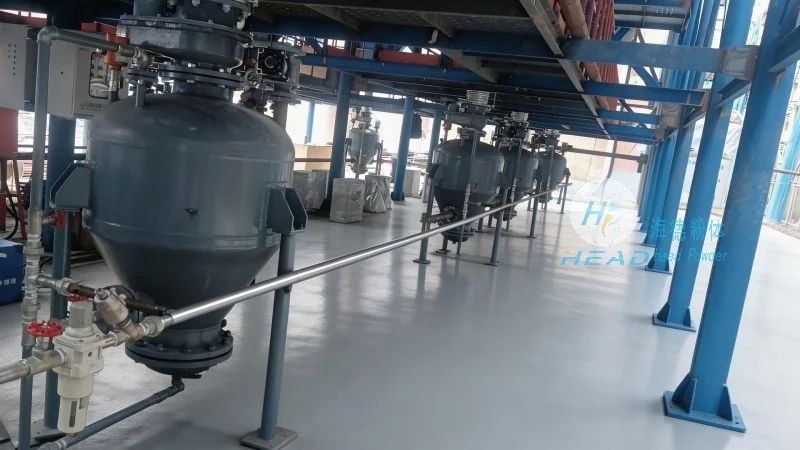
As the oats travel through the pipeline, they encounter various components such as bends, elbows, and valves. These elements are designed to maintain the flow and prevent clogging. Upon reaching the destination, the system uses a separator to remove the oats from the air stream. The separated oats are then collected in a receiving hopper, while the air is filtered and recycled back into the system to reduce energy consumption.
Advantages of Using Pneumatic Conveying for Oats
Implementing pneumatic conveying systems for oat processing offers numerous advantages that can significantly improve operational efficiency and product quality. Some of the key benefits include:
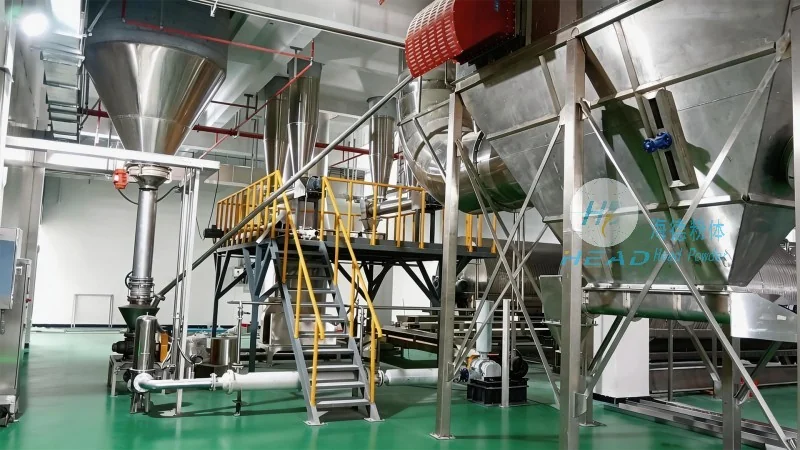
- Hygienic and Clean Operation: Pneumatic systems eliminate the need for direct contact between the oats and mechanical parts, reducing the risk of contamination from metal or other materials. This is particularly important in food processing, where maintaining high standards of cleanliness is mandatory.
- Reduced Labor Costs: Automated pneumatic conveying systems minimize the need for manual handling of bulk materials, lowering labor costs and improving workplace safety.
- Energy Efficiency: Modern systems are designed to be energy-efficient, with features such as air recycling and optimized air velocity that reduce energy consumption compared to traditional conveyors.
- Flexibility and Scalability: Pneumatic conveying systems can be easily adapted to different processing requirements, from small-scale operations to large industrial facilities. They can also be expanded or reconfigured as production needs change.
- Reduced Downtime: The absence of moving parts like belts or screws reduces the likelihood of mechanical failures, leading to lower maintenance costs and less downtime.
About Shandong HeadPowder Engineering Co., Ltd.
Shandong HeadPowder Engineering Co., Ltd., commonly known as HeadPowder, is a leading manufacturer and supplier of pneumatic conveying equipment in China. With a strong focus on innovation and quality, the company has been serving the food processing industry for over two decades. HeadPowder specializes in designing and manufacturing customized pneumatic conveying systems tailored to the specific needs of clients, including those in the oat processing sector. The company's team of engineers and technicians leverages advanced technology and years of experience to develop solutions that enhance efficiency, reduce costs, and ensure compliance with industry standards. HeadPowder's commitment to customer satisfaction and product excellence has earned it a reputation as a trusted partner in the industry.
Application Scenarios in Oat Processing
Oat pneumatic conveying equipment is widely used in various stages of oat processing, from raw material handling to finished product packaging. Some common applications include:
- Raw Material Transport: Moving oats from storage silos or trucks to processing facilities. This step is crucial for ensuring a continuous supply of raw materials and minimizing handling time.
- In-Process Material Transfer: Conveying oats between different processing stages, such as from cleaning and grading to milling or roasting. Pneumatic systems allow for seamless transfer without the need for manual labor or additional equipment.
- Finished Product Packaging: Transporting processed oats to packaging lines, where they are filled into bags or containers. The clean and efficient nature of pneumatic conveying helps maintain the quality of the final product.
- Waste Management: Handling oat byproducts or waste materials, such as husks or bran, from the processing line to disposal or recycling facilities.
In conclusion, oat pneumatic conveying equipment is a vital component of modern oat processing operations. By understanding its principles, components, and benefits, businesses can make informed decisions about implementing this technology to improve their efficiency and competitiveness. With the expertise and experience of companies like Shandong HeadPowder Engineering Co., Ltd., the adoption of advanced pneumatic conveying systems has become more accessible and effective than ever before.