

Principle of Coal Ash Pneumatic Conveying Equipment
Coal ash, a byproduct of coal combustion in thermal power plants and industrial boilers, poses significant challenges for handling and transportation. Traditional methods such as belt conveyors and bucket elevators often suffer from issues like dust generation, material degradation, and operational inefficiencies. Pneumatic conveying systems offer a more efficient and environmentally friendly solution for transporting coal ash from storage silos to processing or disposal sites. This article explores the fundamental principles behind coal ash pneumatic conveying equipment, highlighting the key components, working mechanisms, and benefits of this technology.
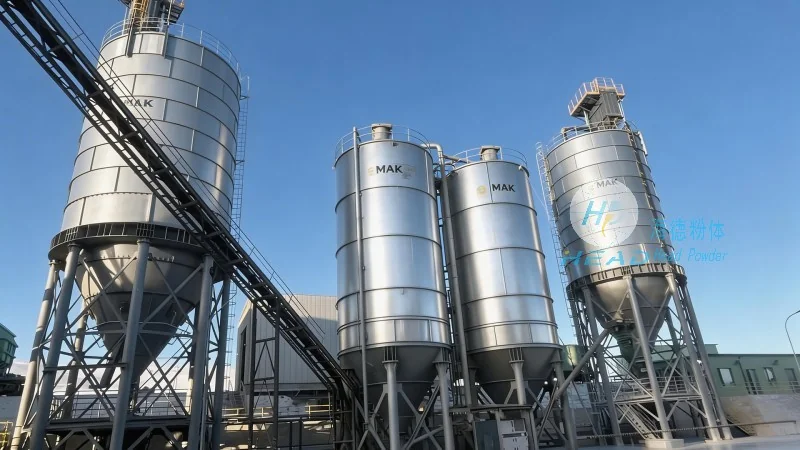
Key Components of Pneumatic Conveying Systems
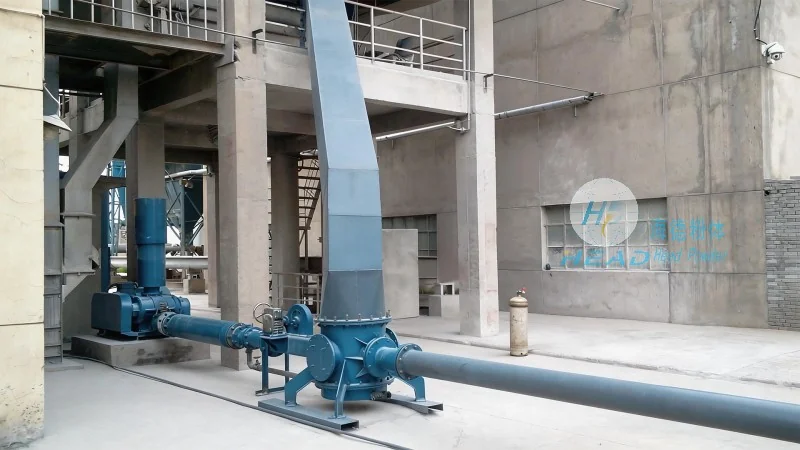
A typical coal ash pneumatic conveying system consists of several critical components that work in tandem to ensure smooth material transport. The main elements include a hopper or storage silo for ash collection, a feeder to control the flow rate, a conveying pipeline, a blower or compressor to generate the air flow, and a receiver or discharge hopper at the destination. The hopper is designed to maintain a consistent material level, while the feeder (often a rotary valve or screw feeder) regulates the ash feed rate to match the system's capacity. The conveying pipeline, usually made of stainless steel or plastic, is equipped with bends, elbows, and filters to prevent blockages and maintain air flow efficiency. The blower or compressor provides the necessary pressure or vacuum to move the ash particles through the pipeline. Finally, the receiver collects the ash at the end of the conveying line, allowing for further processing or disposal.
Working Principle of Pneumatic Conveying
The core of coal ash pneumatic conveying lies in the interaction between the ash particles and the air stream. There are two primary modes of pneumatic conveying: pressure and vacuum. In pressure systems, the blower generates positive pressure, pushing the ash particles through the pipeline. The ash is suspended in the air stream, moving from the source to the destination. In vacuum systems, a vacuum pump creates a negative pressure, drawing the ash particles into the pipeline. Both modes rely on the principle of particle suspension, where the air velocity is sufficient to overcome the gravitational force acting on the ash particles, keeping them airborne and preventing deposition.
Advantages of Coal Ash Pneumatic Conveying
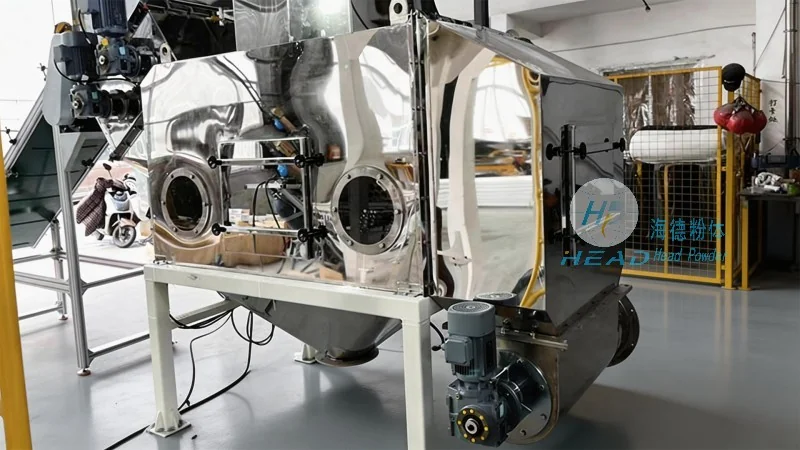
Pneumatic conveying of coal ash offers several advantages over traditional methods. First, it eliminates the need for mechanical contact between the ash and the conveying equipment, reducing wear and tear on components. This leads to lower maintenance costs and longer equipment lifespan. Second, the system is highly efficient in terms of energy consumption, as the air flow can be precisely controlled to match the material load. Third, pneumatic conveying is dust-free, which improves workplace safety and reduces environmental pollution. Fourth, the system can handle a wide range of ash particle sizes and moisture contents, making it versatile for various applications. Additionally, the enclosed pipeline design prevents ash from being exposed to the environment, minimizing the risk of contamination and odor issues.
Applications in Coal Ash Management
Coal ash pneumatic conveying equipment is widely used in the management of coal ash from thermal power plants and industrial facilities. The equipment is typically integrated into the ash handling system, transporting ash from the boiler to the storage silos or from the silos to the disposal or utilization sites. In power plants, the system can handle fly ash and bottom ash, which are then used in cement production, road construction, or as fill material. The efficient transportation of ash ensures that the power plant can maintain its operational capacity without interruptions caused by material handling issues. In industrial applications, the system can transport ash from boilers in manufacturing plants to disposal sites or recycling facilities, contributing to the overall sustainability of the operation.
Technical Specifications and Design Considerations
The design of coal ash pneumatic conveying equipment must consider several technical factors to ensure optimal performance. The selection of the blower or compressor depends on the required air flow rate and pressure, which are determined by the ash feed rate and pipeline length. The pipeline diameter is critical, as it affects the air velocity and the ability to suspend ash particles. A larger diameter may be needed for high-volume applications to maintain sufficient air velocity. The material of construction is also important, as coal ash can be abrasive and corrosive. Stainless steel or high-grade plastic pipelines are commonly used to withstand the wear and corrosion caused by the ash particles. Additionally, the system must be equipped with filters and cleaning mechanisms to prevent ash buildup in the pipeline and maintain air flow efficiency. Regular maintenance of these components is essential to ensure the system operates at peak performance.
About Shandong HeadPowder Engineering Co., Ltd.
Shandong HeadPowder Engineering Co., Ltd., operating under the brand name headpowder, is a leading manufacturer of coal ash pneumatic conveying equipment and related industrial solutions. With a focus on innovation and quality, the company has developed advanced systems that meet the demanding requirements of modern coal ash management. The company's products are designed to be efficient, reliable, and environmentally friendly, helping power plants and industrial facilities to optimize their ash handling processes. Headpowder's team of engineers and technicians provides comprehensive support, from system design and installation to maintenance and troubleshooting. The company's commitment to customer satisfaction and technological advancement has made it a trusted partner in the coal ash industry.