

Principle of Pneumatic Conveying Equipment for Soybean Protein Powder
HeadPowder, a leading manufacturer based in Shandong, China, specializes in the design and production of advanced pneumatic conveying systems tailored for the handling of soybean protein powder. This article delves into the fundamental principles behind such equipment, highlighting the technical aspects that ensure efficient and reliable material transport in industrial settings.
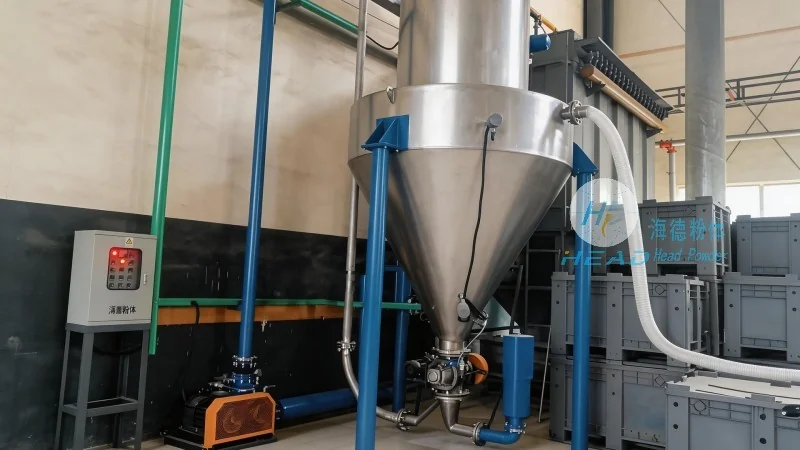
Company Overview
Shandong HeadPowder Engineering Co., Ltd., operating under the brand name HeadPowder, is a reputable enterprise dedicated to providing high-quality pneumatic conveying solutions. With a strong presence in the Chinese market and a commitment to innovation, the company has established itself as a trusted partner for industries requiring efficient material handling of bulk powders like soybean protein powder. HeadPowder's headquarters is located in Shandong, China, where the company leverages local expertise and resources to develop cutting-edge equipment that meets international standards.
The Core Principle of Pneumatic Conveying
Pneumatic conveying, also known as air conveying, is a method of transporting bulk materials, such as soybean protein powder, through a pipeline using air or gas as the conveying medium. The fundamental principle involves creating a pressure differential within the system to move the material. There are two primary types of pneumatic conveying systems: pressure and vacuum. In pressure systems, a positive pressure is generated at the inlet, pushing the material through the pipeline. Vacuum systems, on the other hand, create a negative pressure at the outlet, drawing the material from the source. For soybean protein powder, which is typically light and fine, a pressure system is often preferred due to its ability to handle high volumes and maintain product integrity.
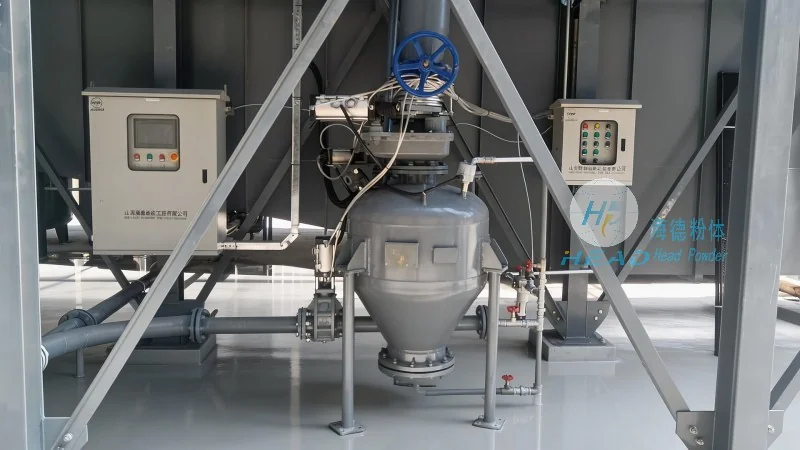
Key Components and Their Functions
The pneumatic conveying equipment for soybean protein powder consists of several critical components, each playing a vital role in the overall operation. These include the material feed hopper, which holds the soybean protein powder and regulates the flow into the system; the air compressor or blower, which provides the necessary air pressure; the conveying pipeline, which transports the powder; and the receiver or discharge hopper, where the material is collected. Additionally, components like check valves, filters, and dust collectors are integrated to ensure smooth operation and maintain product quality. The material feed hopper is designed to prevent material bridging and ensure a consistent flow, while the air compressor or blower is selected based on the required pressure and flow rate. The conveying pipeline is typically made of stainless steel or other corrosion-resistant materials to handle the potential moisture and acidity of soybean protein powder, preventing contamination and degradation.
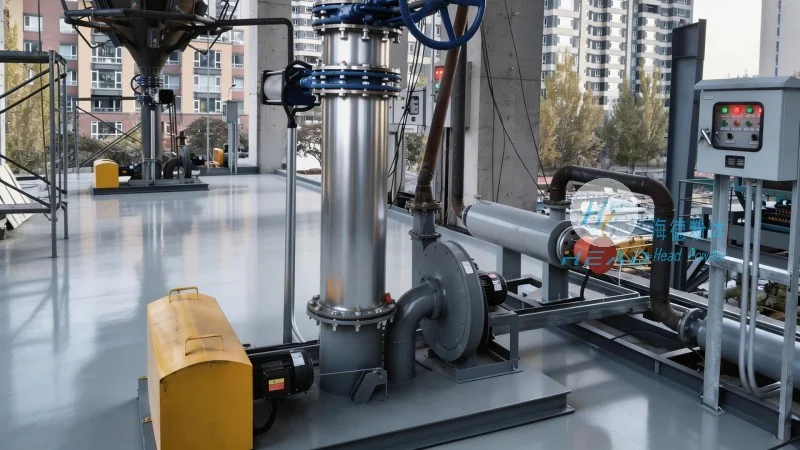
Advantages of Pneumatic Conveying for Soybean Protein Powder
Implementing pneumatic conveying systems for soybean protein powder offers numerous advantages over traditional methods like belt conveyors or bucket elevators. One of the most significant benefits is the ability to handle fine and dusty powders without the risk of product degradation or contamination. The enclosed system prevents exposure to air, moisture, and contaminants, preserving the nutritional quality and shelf life of the soybean protein powder. Additionally, pneumatic conveying systems are highly flexible, allowing for changes in material flow direction and routing without the need for extensive reconfiguration. This flexibility is particularly valuable in industrial settings where space is limited or where the production process requires frequent adjustments. Another advantage is the reduced risk of product spillage and cross-contamination, as the system is fully enclosed and sealed. This not only improves safety in the workplace but also maintains compliance with food safety regulations, which is crucial for soybean protein powder used in food and feed applications.
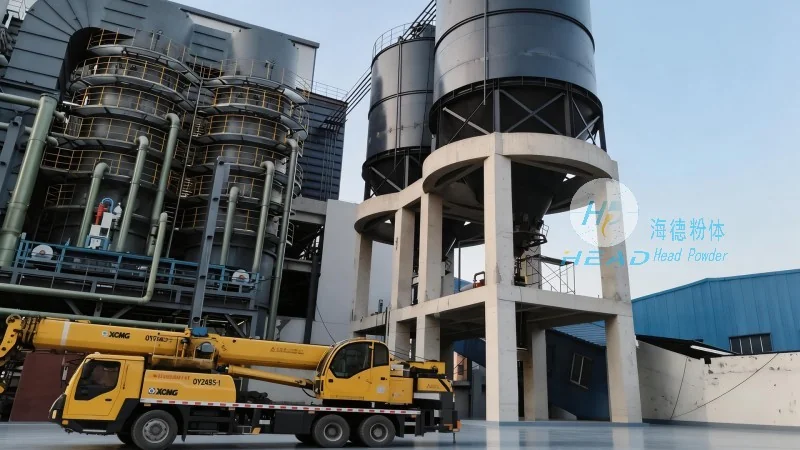
Application Scenarios and Operational Considerations
Pneumatic conveying equipment for soybean protein powder is widely used in various industries, including food processing, animal feed manufacturing, and pharmaceuticals. In food processing facilities, these systems are employed to transport soybean protein powder from storage silos to processing lines, ensuring a continuous and hygienic supply of raw material. In animal feed plants, the equipment is used to blend soybean protein powder with other ingredients, such as grains and vitamins, to create balanced feed formulations. The operational considerations for such systems include maintaining proper air pressure and flow rates to avoid blockages or material degradation. Regular maintenance, such as cleaning filters and checking for air leaks, is essential to ensure the system operates efficiently and reliably. Additionally, the system must be designed to handle the specific properties of soybean protein powder, such as its fine particle size and potential for static electricity, which can affect flow and cause material buildup in the pipeline.
Installation and Maintenance Guidelines
Proper installation and regular maintenance are critical to the longevity and performance of pneumatic conveying equipment for soybean protein powder. During installation, it is essential to ensure that all components are properly aligned and secured to prevent vibrations and leaks. The pipeline should be laid out with appropriate slopes to facilitate drainage and prevent material accumulation. The material feed hopper should be positioned at an appropriate height to allow for gravity-assisted feeding, reducing the load on the air compressor. Regular maintenance involves checking the air compressor or blower for wear and tear, cleaning or replacing filters to maintain air quality, and inspecting the conveying pipeline for any signs of corrosion or damage. It is also important to monitor the system's performance, such as pressure and flow rates, to detect any issues early and prevent downtime. By following these guidelines, users can ensure that the pneumatic conveying system operates at optimal efficiency, minimizing maintenance costs and maximizing the lifespan of the equipment.