

Principle of Air-Driven Carboxymethyl Cellulose Conveying Equipment
Carboxymethyl cellulose (CMC) is a widely used chemical additive in various industries, including food, pharmaceuticals, and construction. The efficient and reliable transportation of CMC powder is crucial for maintaining production efficiency and product quality. Air-driven conveying systems offer a solution to this challenge by utilizing pneumatic principles to move dry powders like CMC through pipelines. This article explores the fundamental principles behind air-driven CMC conveying equipment, highlighting the technical aspects and operational mechanisms that enable effective material handling.
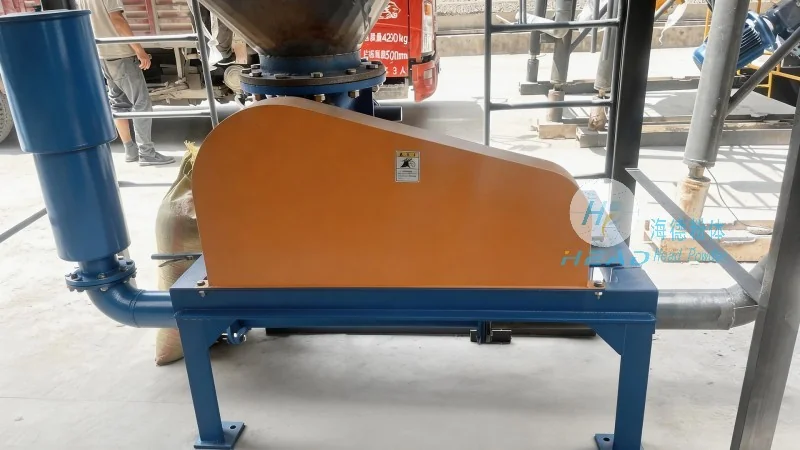
Core Components and Working Principle
The air-driven conveying system for CMC typically consists of several key components, each playing a vital role in the overall operation. The primary components include a material hopper, a rotary airlock valve, a pipeline system, and a dust collector or filter. The process begins with the CMC powder being fed into the hopper. A rotary airlock valve then controls the discharge of the powder into the pipeline, ensuring a controlled and consistent flow. Compressed air is introduced into the pipeline, creating a pressure differential that propels the powder forward. The air and powder mixture travels through the pipeline, with the air providing the necessary kinetic energy to move the dry material. At the receiving end, a separator or filter separates the air from the powder, allowing the CMC to be discharged into the target container. This pneumatic conveying method is particularly effective for handling fine powders like CMC, as it minimizes product degradation and contamination compared to mechanical conveying methods.
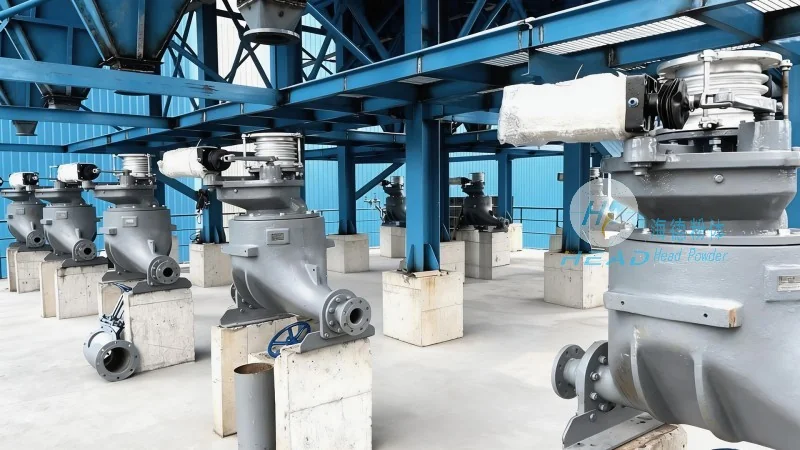
Advantages of Air-Driven Conveying for CMC
Compared to traditional mechanical conveying systems, air-driven CMC conveying equipment offers several advantages that make it a preferred choice in many industrial applications. One of the key benefits is the ability to handle fine and abrasive powders without causing excessive wear or damage to the equipment. The pneumatic system reduces the risk of product agglomeration and ensures a uniform flow rate, which is critical for maintaining product consistency. Additionally, air-driven conveying is more hygienic and easier to clean, making it suitable for food and pharmaceutical applications where sanitation is paramount. The system also provides flexibility in terms of pipeline layout, allowing for complex and long-distance transportation of CMC without the need for multiple transfer points. Furthermore, the energy consumption of air-driven systems is generally lower than that of mechanical systems, contributing to cost savings and environmental benefits.
Application Scenarios and Operational Considerations
Carboxymethyl cellulose air-driven conveying equipment is widely used in various industries where CMC is a key ingredient. In the food industry, it is used for transporting CMC used as a thickening agent in beverages, sauces, and other food products. In the pharmaceutical industry, the equipment is employed to convey CMC used as a binder or filler in tablets and capsules. The construction industry also utilizes CMC for concrete additives, and the air-driven system ensures efficient transportation of this powder to the mixing sites. When operating such equipment, several factors need to be considered to ensure optimal performance. The air pressure and flow rate must be carefully controlled to maintain a stable powder flow and prevent blockages. The pipeline diameter and length also affect the conveying efficiency, and proper sizing is essential to avoid excessive pressure drop or material degradation. Regular maintenance of the components, such as the airlock valve and filter, is crucial to prevent downtime and ensure long-term reliability. Additionally, the system should be designed to handle the specific properties of CMC, including its moisture content and particle size distribution, to achieve the best conveying results.
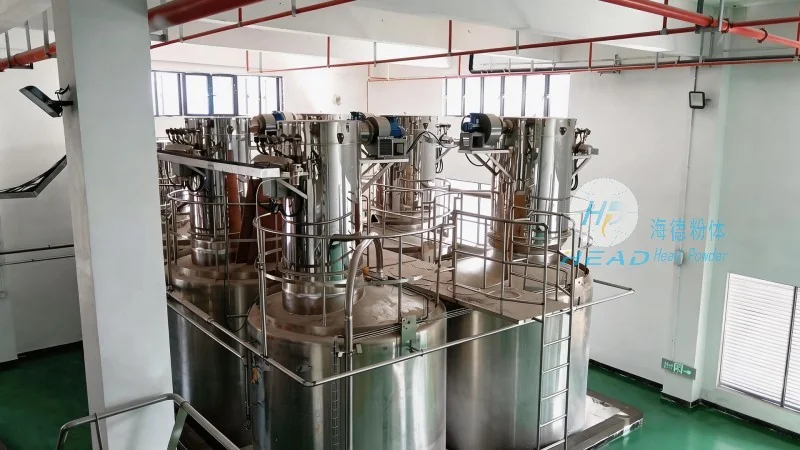
Company Overview: Shandong HeadPowder Engineering Co., Ltd.
Shandong HeadPowder Engineering Co., Ltd., commonly known as headpowder, is a leading manufacturer and supplier of specialized conveying equipment for the chemical and powder processing industries. With a strong focus on innovation and quality, the company has established itself as a trusted partner for businesses requiring reliable and efficient material handling solutions. HeadPowder specializes in designing and manufacturing air-driven conveying systems tailored to the specific needs of clients, including those handling carboxymethyl cellulose and other fine powders. The company's team of engineers and technicians brings extensive experience in pneumatic conveying technology, ensuring that each product meets the highest standards of performance and durability. HeadPowder's commitment to customer satisfaction and technical excellence has earned it a reputation for delivering solutions that enhance production efficiency and product quality. The company's facilities in Shandong, China, are equipped with advanced manufacturing capabilities and rigorous quality control processes, ensuring that every piece of equipment leaves the factory with superior performance and longevity.