

What is a Dry Denitrification Device? What is Its Design Principle?
Understanding dry denitrification devices is crucial for industries aiming to comply with environmental regulations and reduce nitrogen oxide emissions. This article provides an overview of what these devices are and the fundamental design principles that underpin their operation.
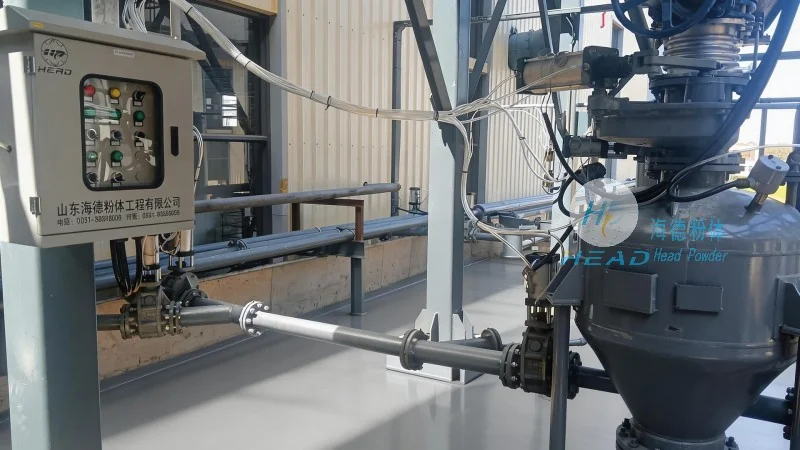
Introduction to Dry Denitrification Devices
Dry denitrification devices, also known as dry denitrification systems, are advanced air pollution control technologies used primarily in industrial settings to reduce nitrogen oxides (NOx) from flue gases. These systems are essential for power plants, cement factories, and other facilities that generate significant NOx emissions. The primary goal of such equipment is to convert harmful NOx compounds into less harmful nitrogen gas (N₂) and water vapor through chemical reactions.
Key Components and Design Principles
The design of a dry denitrification device revolves around several critical components that work in concert to achieve effective NOx reduction. The core of the system typically includes a reaction chamber or catalyst bed where the chemical conversion occurs. The catalyst, often made from materials like vanadium, titanium, and other metal oxides, facilitates the reduction of NOx by providing a surface for the reaction to take place. The flue gas, which contains NOx along with other pollutants like sulfur dioxide (SO₂), is introduced into the reaction chamber at controlled temperatures and flow rates.
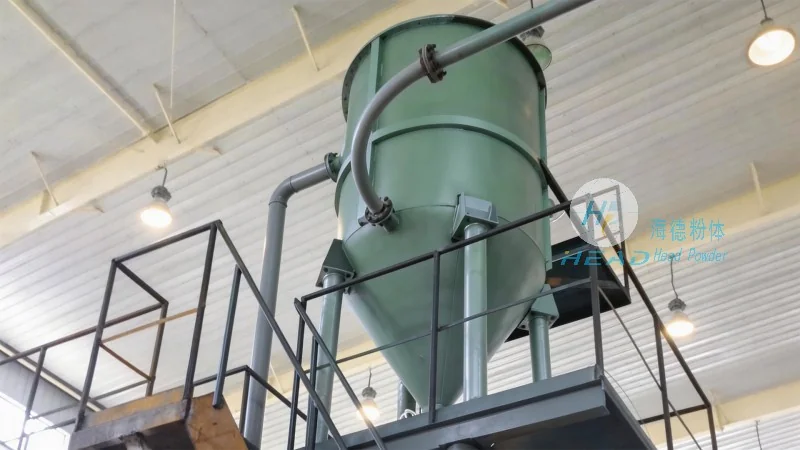
Temperature management is a critical design principle. The optimal operating temperature for most dry denitrification catalysts is typically between 300°C and 450°C. Maintaining this temperature range ensures the catalyst remains active and efficient. If the temperature is too low, the reaction rate is insufficient; if it is too high, the catalyst may degrade or become inactive. Therefore, precise temperature control is essential for consistent performance.
Flow and Gas Distribution
Another key design principle is the uniform distribution of flue gas across the catalyst surface. Poor gas distribution can lead to hot spots or underutilized areas, reducing the overall efficiency of the denitrification process. Advanced dry denitrification devices employ specialized distributors or manifolds to ensure even gas flow. This ensures that every part of the catalyst bed is exposed to the optimal conditions for NOx reduction, maximizing the system's performance and extending the catalyst's lifespan.
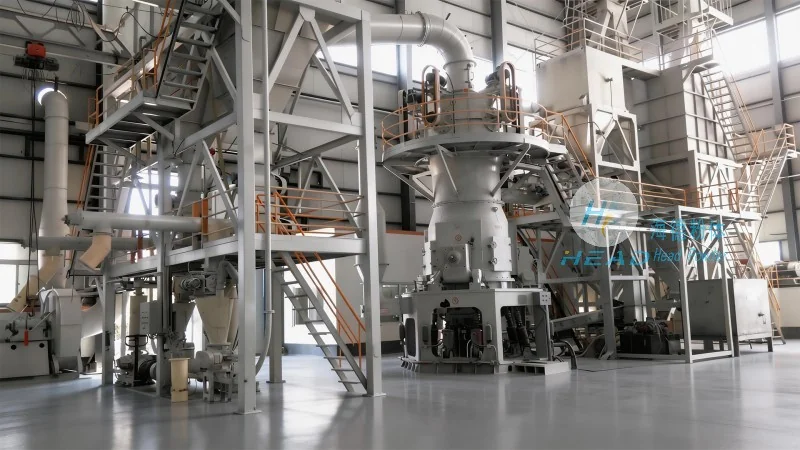
Company Overview: Shandong HeadPowder Engineering Co., Ltd.
Shandong HeadPowder Engineering Co., Ltd., operating under the brand name HeadPowder, is a leading manufacturer of air pollution control equipment, including dry denitrification devices. HeadPowder specializes in providing customized solutions tailored to the specific needs of industrial clients. With a strong commitment to quality and innovation, the company has established itself as a trusted partner in the environmental technology sector. HeadPowder's products are designed to meet stringent environmental standards while delivering reliable performance and long-term durability.
Conclusion
Dry denitrification devices represent a sophisticated approach to reducing NOx emissions, and their design is built on principles of chemical kinetics, temperature control, and efficient gas distribution. By understanding these principles and leveraging advanced manufacturing techniques, companies like Shandong HeadPowder Engineering Co., Ltd. are able to deliver effective solutions that help industries meet environmental regulations and contribute to a cleaner environment.