

What is Smart Unpacking Pneumatic Conveying? What are the Design Principles?
Smart unpacking pneumatic conveying systems are advanced material handling solutions designed to efficiently process bulk materials, particularly in industries that require automated and controlled handling of powders and granules. This technology integrates sophisticated automation and control mechanisms to streamline the entire workflow from unpacking incoming containers to delivering materials to processing units. The core objective of such systems is to enhance operational efficiency, reduce labor costs, and maintain consistent material quality throughout the handling process.
Key Design Principles and Components
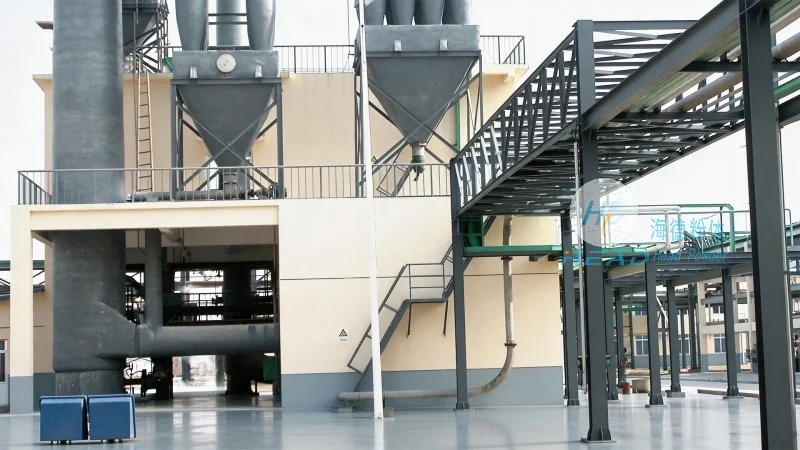
The design of a smart unpacking pneumatic conveying system is built upon several fundamental principles aimed at optimizing performance and reliability. These include the integration of automated unpacking mechanisms, precise material feeding, and adaptive conveying control. The system typically consists of several key components: an automated unpacking unit (such as robotic bag openers or mechanical bin unloaders), a material feed hopper with metering capabilities, a conveying pipeline (either positive or negative pressure), and a centralized control system equipped with sensors and variable speed drives. The design emphasizes minimizing material loss, preventing contamination, and ensuring smooth, continuous flow. For example, the control system may use pressure sensors and flow meters to adjust the conveying air volume or feed rate in real-time, adapting to changes in material properties or pipeline conditions to maintain optimal performance.
Operational Workflow and Process
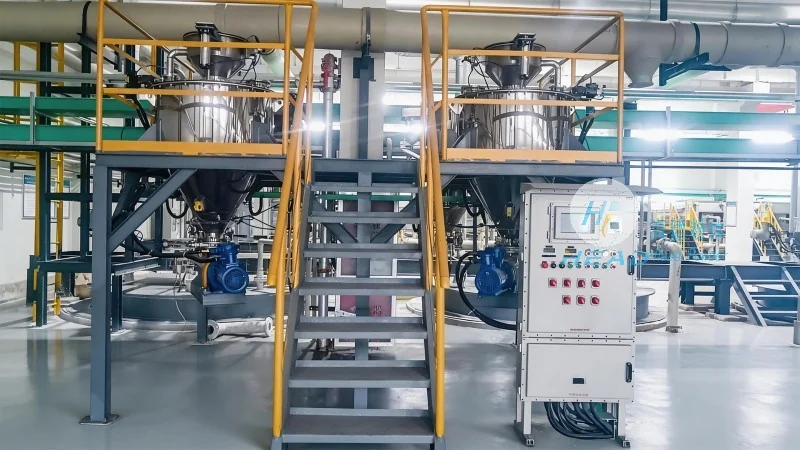
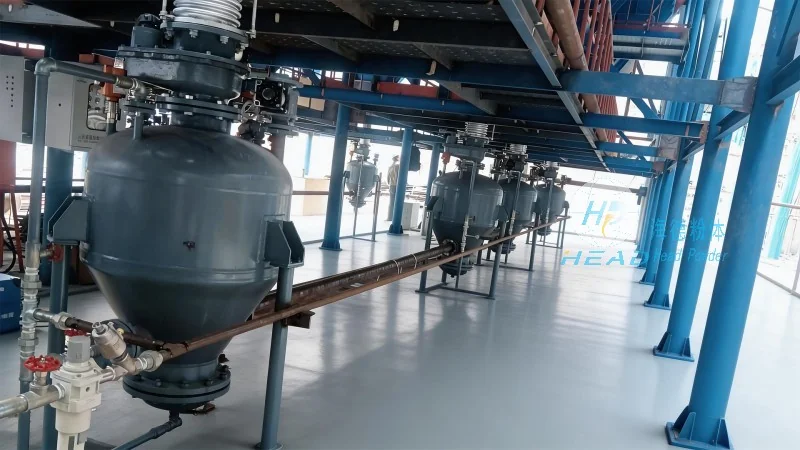
The operational workflow of a smart unpacking pneumatic conveying system begins with the automated handling of incoming bulk material containers. The system may utilize robotic arms or mechanical grippers to open bags, boxes, or bins, ensuring that the material is released into the feed hopper without manual intervention. The feed hopper then meters the material at a controlled rate, preventing overfeeding or underfeeding that could lead to blockages or uneven flow. The material is then conveyed through the pipeline using either positive pressure (where air is forced through the system to move the material) or negative pressure (where air is drawn out to create a vacuum that pulls the material). The control system continuously monitors parameters such as pressure, flow rate, and temperature, making immediate adjustments to maintain stable conveying conditions. This adaptive control helps prevent issues like material buildup, blockages, or degradation, ensuring consistent and reliable material delivery to downstream processing equipment.
Benefits and Advantages
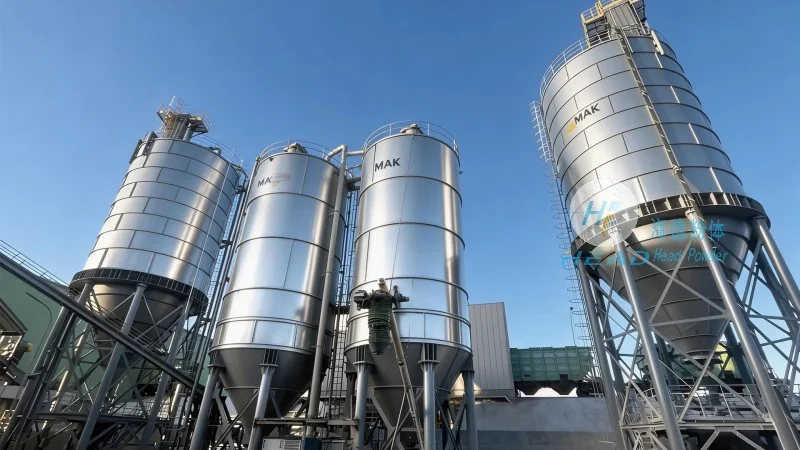
Implementing a smart unpacking pneumatic conveying system offers significant benefits for industrial operations. One of the primary advantages is increased productivity and reduced labor costs. By automating the unpacking and conveying processes, the system minimizes the need for manual handling, reducing downtime and labor expenses. Additionally, the consistent flow of materials ensures that processing equipment operates at optimal levels, avoiding bottlenecks and equipment wear. Another key benefit is improved material quality and safety. The enclosed design of the conveying system prevents exposure to dust, moisture, or contaminants, which is critical for sensitive materials like pharmaceuticals or food ingredients. Furthermore, the system reduces material loss and environmental impact by containing the material within the pipeline, aligning with environmental regulations and sustainability goals. Finally, the advanced control features allow for precise monitoring and data logging, enabling operators to analyze performance and identify areas for improvement.
Applications and Industries
Smart unpacking pneumatic conveying systems are widely applied across various industries that handle bulk materials. These include the pharmaceutical industry, food processing, chemical manufacturing, mining, and agricultural sectors. In the pharmaceutical industry, the system ensures that powders are handled in a sterile and controlled environment, maintaining product integrity and compliance with regulatory standards. In food processing, it can handle ingredients like flour, sugar, and spices, preventing cross-contamination and ensuring food safety. The chemical manufacturing industry benefits from the system's ability to handle hazardous materials safely, with enclosed conveying and automated controls reducing the risk of exposure. In mining and mineral processing, the system efficiently moves raw materials from storage to processing units, improving overall plant efficiency. The versatility of the system makes it suitable for both small-scale and large-scale industrial applications, adapting to different material types and processing requirements.
Conclusion
Smart unpacking pneumatic conveying systems represent a cutting-edge solution for modern material handling challenges, combining automation, precision control, and efficient design to meet the demands of diverse industrial sectors. By integrating advanced components and adaptive control systems, these systems enhance operational efficiency, improve material quality, and reduce costs. As industries continue to prioritize sustainability and productivity, the adoption of smart pneumatic conveying technology is likely to grow, providing a reliable and effective method for handling bulk materials. With its ability to streamline the entire material handling process from unpacking to delivery, this technology plays a crucial role in optimizing industrial workflows and ensuring consistent performance. The integration of such systems not only improves current operations but also positions companies for future growth and competitiveness in their respective markets.