

What is Automatic Quantitative Ingredient Pneumatic Conveying? What are the Design Principles?
Shandong HeadPowder Engineering Co., Ltd., commonly known as headpowder, is a professional manufacturer specializing in the design, development, and production of pneumatic conveying systems for bulk materials. With a focus on precision and efficiency, the company provides customized solutions tailored to the unique needs of various industries.
What is Automatic Quantitative Ingredient Pneumatic Conveying?
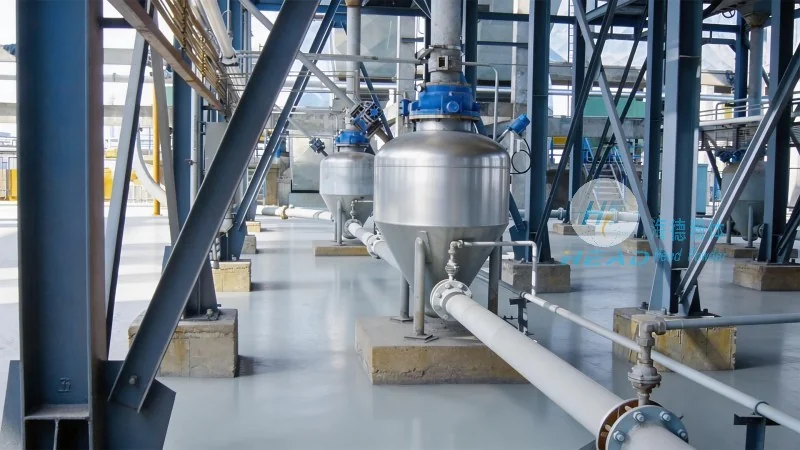
Automatic quantitative ingredient pneumatic conveying is a sophisticated method of transporting bulk materials, such as powders and granules, through a pipeline using compressed air or other gas as the conveying medium. This technology enables precise and controlled delivery of ingredients, ensuring consistent quality and efficiency in industrial processes. The system integrates advanced sensors, control systems, and material handling components to achieve accurate dosing and seamless material transfer.
Design Principles of Automatic Quantitative Ingredient Pneumatic Conveying Systems
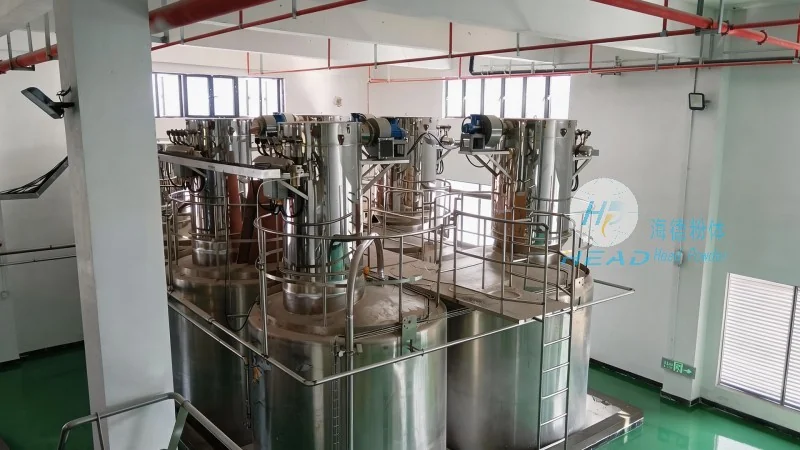
The design of an automatic quantitative ingredient pneumatic conveying system is based on several key principles to ensure optimal performance and reliability. First, the system must be tailored to the specific characteristics of the material being conveyed, including particle size, density, and flowability. This involves selecting appropriate components like feeders, conveyors, and separation equipment to handle the material's unique properties. Second, the control system plays a critical role in maintaining precise dosing. Modern systems utilize sensors to monitor flow rates, pressure, and other parameters, adjusting the conveying process in real-time to achieve the desired output. Third, the overall system design emphasizes energy efficiency and minimal material loss. By optimizing the air-to-material ratio and pipeline configuration, the system reduces energy consumption while maximizing material throughput. Additionally, safety considerations are integrated into the design, with features like pressure relief valves and emergency shut-off mechanisms to prevent accidents and ensure operator safety.
Key Components and Their Roles
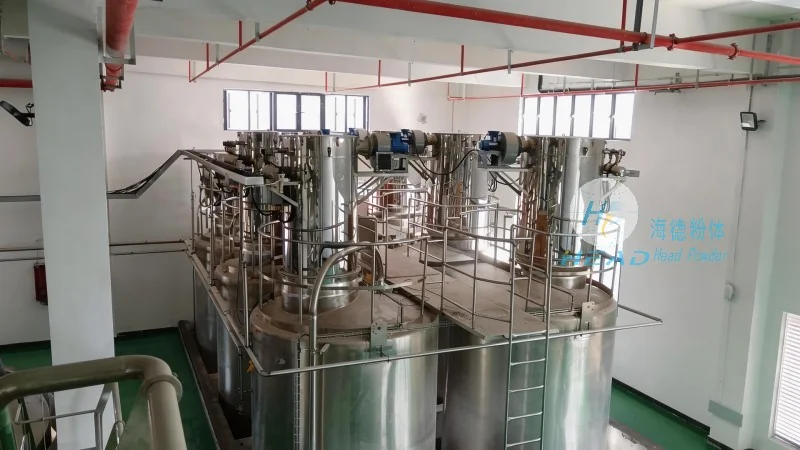
An automatic quantitative ingredient pneumatic conveying system typically consists of several interconnected components, each playing a vital role in the overall operation. The primary components include: 1. Material Feeders: These devices, such as rotary valves or gravimetric feeders, control the flow rate of the bulk material into the conveying line. They ensure a consistent and accurate input of ingredients, which is crucial for maintaining the system's precision. 2. Pneumatic Conveying Line: The pipeline network that transports the material from the feeder to the destination. The design of the line, including the use of horizontal, vertical, or inclined sections, affects the system's efficiency and material handling capabilities. 3. Compressed Air System: Provides the necessary pressure and flow of air to move the material through the pipeline. The compressor and associated equipment must be capable of delivering sufficient air volume and pressure to handle the material's conveying requirements. 4. Separation and Collection Equipment: Used to separate the conveyed material from the air and collect it in the desired container. This may include cyclones, filters, or dust collectors, depending on the material's properties and the application requirements. 5. Control System: Manages the entire operation, monitoring and adjusting the flow rates, pressure, and other parameters to maintain the system's performance and ensure accurate dosing. The control system may include programmable logic controllers (PLCs), sensors, and user interfaces for operation and maintenance.
Advantages of Automatic Quantitative Ingredient Pneumatic Conveying
Implementing an automatic quantitative ingredient pneumatic conveying system offers numerous benefits for industrial operations. One of the most significant advantages is the ability to achieve precise and consistent material dosing. This is particularly important in industries like pharmaceuticals, food processing, and chemical manufacturing, where accurate ingredient ratios are critical for product quality and safety. The system reduces human error and variability, leading to higher product consistency and reduced waste. Additionally, pneumatic conveying systems offer improved safety compared to traditional methods like bucket elevators or belt conveyors. By eliminating the need for manual handling of bulk materials, the system minimizes the risk of dust exposure, material spillage, and workplace accidents. The enclosed pipeline design also helps maintain a clean and controlled environment, which is essential for industries with strict hygiene standards. Furthermore, the system's flexibility allows for easy integration with existing production lines and the ability to handle a wide range of materials, from fine powders to coarse granules. This adaptability makes it suitable for various applications, from small-scale laboratory operations to large-scale industrial production.
Conclusion
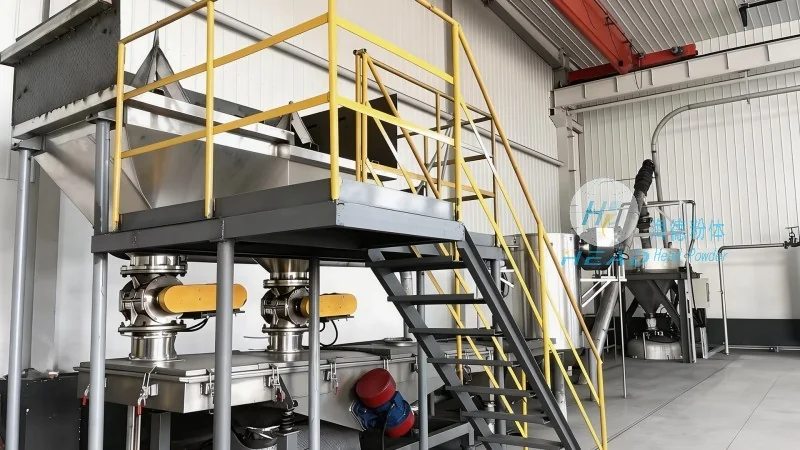
Automatic quantitative ingredient pneumatic conveying is a highly effective and efficient method for transporting bulk materials in industrial settings. The design principles and components of such systems are carefully engineered to ensure precision, reliability, and safety. By leveraging advanced technology and tailored solutions, companies like Shandong HeadPowder Engineering Co., Ltd. provide comprehensive pneumatic conveying systems that meet the specific needs of their clients. Whether for pharmaceutical, food, or chemical applications, these systems offer significant advantages in terms of product quality, operational efficiency, and workplace safety. As industries continue to demand higher standards of precision and consistency, the role of automatic quantitative ingredient pneumatic conveying systems will only become more critical in modern manufacturing processes.