

What is Bulk Bag Discharge Pneumatic Conveying? And Its Design Principles
Bulk bag discharge pneumatic conveying is a specialized method used in material handling and processing industries to transfer bulk materials from large flexible containers, commonly known as bulk bags or super sacks, into processing equipment or storage systems. This technology combines the advantages of bulk bag handling with the efficiency of pneumatic conveying, offering a flexible and automated solution for material transfer. The process involves creating a controlled airflow that draws the material from the bag and transports it through a pipeline to the destination point. This approach is particularly useful for handling dry, free-flowing powders and granules, ensuring minimal product degradation and contamination.
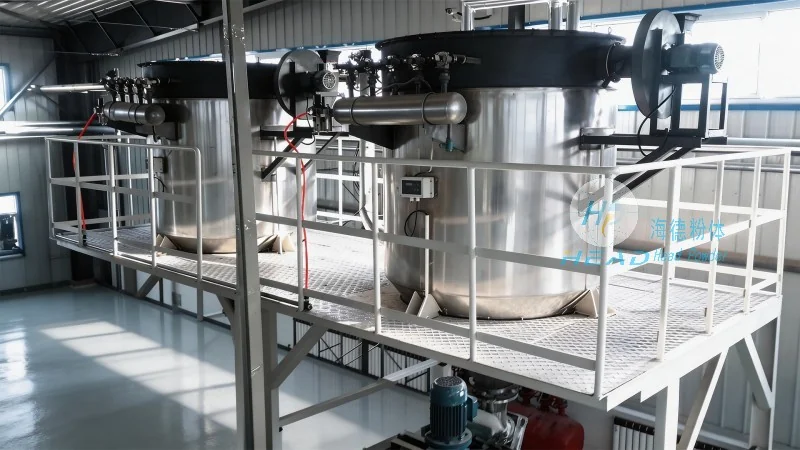
Understanding Bulk Bag Discharge Pneumatic Conveying
Bulk bag discharge pneumatic conveying systems are designed to efficiently empty bulk bags without the need for manual intervention or complex mechanical equipment. The core components of such a system typically include a bulk bag discharger, a vacuum or pressure conveying unit, a filter system, and a receiving hopper or silo. The bulk bag discharger is the primary device that connects to the top of the bag, creating a sealed connection to the conveying line. As the material is drawn out of the bag, the system maintains a consistent airflow to ensure smooth and continuous transfer. This method is widely adopted in industries like food processing, pharmaceuticals, chemicals, and mining, where material purity and handling efficiency are critical.
Key Design Principles of Bulk Bag Discharge Pneumatic Conveying
The design of bulk bag discharge pneumatic conveying systems follows several fundamental principles to ensure optimal performance and reliability. First, the system must maintain a proper seal between the bulk bag and the conveying line to prevent dust emissions and product loss. This is achieved through specialized sealing mechanisms, such as clamps or vacuum locks, that secure the bag to the discharger. Second, the airflow rate and pressure must be carefully controlled to match the material's flow characteristics. Different materials have varying bulk densities and flowability, requiring adjustments to the conveying velocity and system pressure to avoid blockages or excessive wear on components. Third, the system incorporates filtration and dust collection to meet environmental and safety standards. The filter system captures fine particles and prevents them from being released into the environment, ensuring compliance with regulations and maintaining a clean working environment.
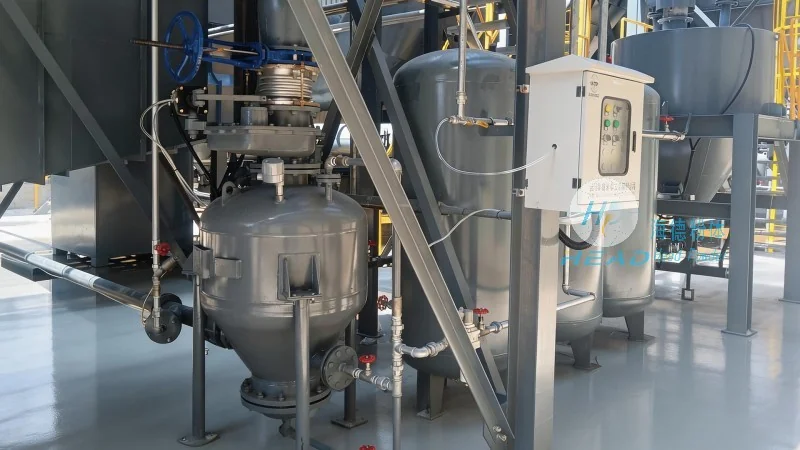
Components and Their Functions in a Bulk Bag Discharge Pneumatic Conveying System
Each component of a bulk bag discharge pneumatic conveying system plays a crucial role in the overall operation. The bulk bag discharger, often equipped with a valve or gate mechanism, is responsible for opening the bag and controlling the flow of material. It typically features a hopper or funnel that directs the material into the conveying line. The conveying unit, which can be either vacuum or pressure-based, generates the necessary airflow to move the material through the pipeline. Vacuum systems are commonly used for lighter materials or when the material needs to be drawn from a higher elevation, while pressure systems are preferred for heavier or more abrasive materials. The filter system, including a bag filter or cartridge filter, removes dust and particulates from the air before it is released back into the environment. Finally, the receiving hopper or silo stores the conveyed material, ensuring a steady supply for downstream processes. All components are designed to work in harmony, with proper maintenance and monitoring to ensure long-term reliability.
Advantages of Bulk Bag Discharge Pneumatic Conveying
Bulk bag discharge pneumatic conveying offers several advantages over traditional material handling methods. One of the most significant benefits is the reduction in manual labor, as the system automates the entire discharge process. This not only improves efficiency but also enhances workplace safety by minimizing the risk of handling heavy or hazardous bulk bags. Additionally, the system provides a clean and dust-free transfer, which is essential for industries where product purity is paramount, such as food and pharmaceuticals. The flexible nature of the system allows for easy integration with existing processing lines, and the ability to handle various materials makes it a versatile solution for different applications. Furthermore, the system can be scaled to accommodate different bag sizes and material volumes, making it suitable for both small-scale and large-scale operations.
Applications and Industries Using Bulk Bag Discharge Pneumatic Conveying
Bulk bag discharge pneumatic conveying is widely used across various industries due to its adaptability and efficiency. In the food industry, it is commonly employed for handling ingredients like flour, sugar, and spices, ensuring that the material remains uncontaminated and free from dust. The pharmaceutical industry utilizes this technology for transferring active pharmaceutical ingredients (APIs) and excipients, where strict quality control and contamination prevention are mandatory. The chemical industry benefits from the system's ability to handle abrasive and corrosive materials, such as acids and solvents, while maintaining the integrity of the material and equipment. In the mining and minerals sector, bulk bag discharge pneumatic conveying is used to transport raw materials like ores and powders from bulk bags to processing plants, improving the overall material handling workflow. Other industries, including agriculture and construction, also adopt this technology for handling bulk materials, leveraging its efficiency and flexibility.
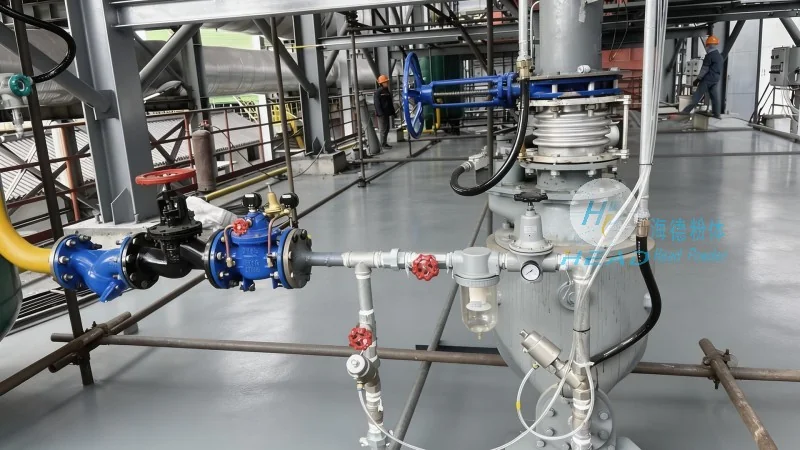
Considerations for Implementing Bulk Bag Discharge Pneumatic Conveying Systems
When implementing a bulk bag discharge pneumatic conveying system, several factors must be considered to ensure optimal performance and cost-effectiveness. First, the material's properties, such as bulk density, flowability, and particle size, must be thoroughly evaluated. These characteristics determine the appropriate airflow rate, pressure, and system design to avoid issues like blockages or excessive wear. Second, the system's capacity and scalability should be matched to the production requirements. The system must be able to handle the expected volume of material without compromising efficiency or reliability. Third, the environmental and safety regulations in the operating region must be considered. The filter system and sealing mechanisms must meet local standards to prevent dust emissions and ensure worker safety. Fourth, the maintenance and operational costs should be evaluated. Regular maintenance of components like filters and seals is essential to keep the system running smoothly and avoid downtime. Additionally, the system's energy consumption should be considered, as efficient airflow management can reduce operational costs over time.
Conclusion
Bulk bag discharge pneumatic conveying is a sophisticated and efficient technology that addresses the challenges of handling bulk materials from large flexible containers. By combining the advantages of bulk bag handling with pneumatic conveying, this system offers a flexible, automated, and clean solution for material transfer. The design principles, components, and applications of such systems are tailored to meet the specific needs of various industries, ensuring optimal performance and reliability. As material handling requirements continue to evolve, bulk bag discharge pneumatic conveying remains a valuable solution for industries seeking to improve efficiency, reduce labor costs, and maintain product quality. With proper design, implementation, and maintenance, this technology can significantly enhance the overall material handling process and contribute to the success of industrial operations.