

What is Coal Powder Pneumatic Conveying? And What Are Its Design Principles?
Coal powder pneumatic conveying is a specialized method used in industrial processes to transport coal powder and other fine particulate materials through a pipeline system using air or other gas as the conveying medium. This technology is widely adopted in various industries, including power generation, chemical manufacturing, and material processing, due to its efficiency in handling bulk materials with minimal contamination and operational flexibility.
Understanding Coal Powder Pneumatic Conveying
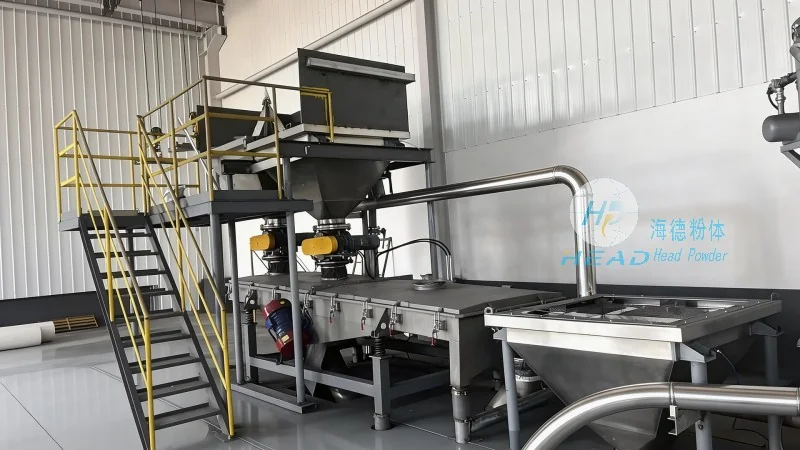
At its core, coal powder pneumatic conveying involves the use of a pressurized or vacuum system to move coal powder from a source to a destination. The process typically starts with the coal powder being fed into a hopper or feeder, where it is then introduced into a pipeline. Air or gas is then introduced into the pipeline, creating a flow that carries the coal powder particles along. The design of the system, including the type of conveying system (e.g., dilute-phase or dense-phase), the pressure levels, and the pipeline layout, plays a crucial role in determining the efficiency and effectiveness of the conveying operation.
Key Design Principles of Coal Powder Pneumatic Conveying Systems
The design of a coal powder pneumatic conveying system is governed by several critical principles that ensure optimal performance and reliability. These principles include the selection of appropriate air velocity to prevent particle settling, the proper sizing of pipelines and components to minimize pressure drop and energy consumption, and the incorporation of features such as in-line mixers or cyclones to maintain material consistency and prevent blockages. The system must also be designed to handle the specific characteristics of coal powder, such as its particle size distribution, moisture content, and abrasiveness, to ensure long-term operational stability.
Components and Functionality of Coal Powder Pneumatic Conveying Systems
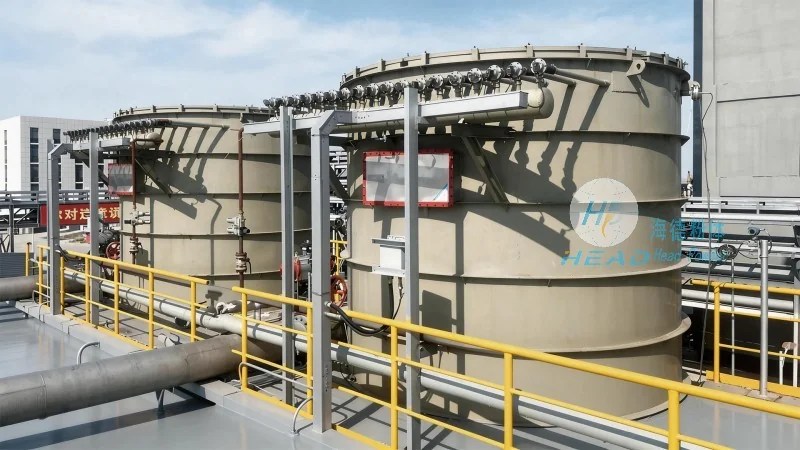
A typical coal powder pneumatic conveying system consists of several key components, each playing a vital role in the overall operation. These components include the material feed system (e.g., screw feeders or rotary valves), the conveying line (pipes, elbows, and tees), the air or gas supply system (blowers or compressors), and the control system (regulators, valves, and sensors). The material feed system ensures a consistent and controlled flow of coal powder into the pipeline, while the conveying line transports the material to the destination. The air supply system provides the necessary pressure or vacuum to move the material, and the control system monitors and adjusts the system parameters to maintain optimal performance. Additionally, features such as in-line mixers or cyclones may be incorporated to enhance material mixing or separation, depending on the specific application requirements.
Advantages of Coal Powder Pneumatic Conveying
Coal powder pneumatic conveying offers several advantages over traditional bulk material handling methods. These advantages include reduced material handling time and labor costs, improved material cleanliness and minimal contamination, enhanced safety by eliminating manual handling of powders, and increased flexibility in system layout and operation. The technology also allows for the integration of multiple conveying lines and destinations, making it suitable for complex industrial processes. Furthermore, the system can be designed to handle a wide range of particle sizes and material types, providing versatility in material handling applications.
Applications of Coal Powder Pneumatic Conveying
Coal powder pneumatic conveying is widely used in various industrial applications, particularly in power generation and chemical manufacturing. In power plants, it is used to transport coal from storage silos to boilers, ensuring a continuous and efficient fuel supply. In chemical plants, it is used to convey coal powder to reactors or processing units, facilitating the production of chemicals and other products. The technology is also used in other industries, such as food processing and pharmaceuticals, where fine particulate materials need to be handled with precision and minimal contamination.
Considerations for Designing Coal Powder Pneumatic Conveying Systems
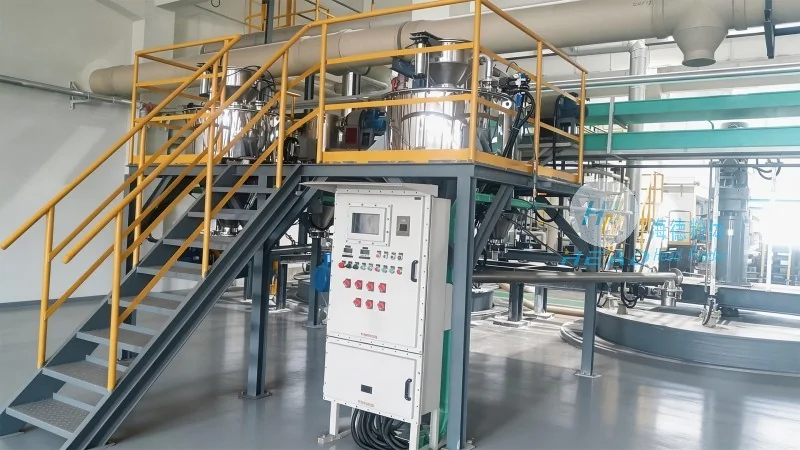
When designing a coal powder pneumatic conveying system, several factors must be considered to ensure optimal performance and longevity. These factors include the material properties of the coal powder (e.g., particle size, moisture content, abrasiveness), the required conveying distance and flow rate, the available space and layout constraints, and the environmental and safety regulations. The system must be designed to handle the specific challenges associated with coal powder, such as its tendency to agglomerate or clog pipelines, and to incorporate features that mitigate these issues, such as in-line mixers or cyclones. Additionally, the system must be equipped with appropriate controls and monitoring systems to ensure safe and efficient operation.
Conclusion
Coal powder pneumatic conveying is a highly effective and versatile method for transporting coal powder and other fine particulate materials in industrial settings. The design of the system, including the selection of appropriate components and adherence to key design principles, is critical to ensuring optimal performance and reliability. By understanding the principles and considerations involved in coal powder pneumatic conveying, industrial facilities can implement efficient and cost-effective material handling solutions that meet their specific operational requirements.