

What is Magnesia Pneumatic Conveying? And What Are Its Design Principles?
Magnesia, a key refractory material widely used in high-temperature industrial processes, often requires efficient and reliable material handling solutions. Pneumatic conveying technology offers a robust method for transporting magnesia, ensuring safety, efficiency, and minimal material degradation. This article explores the fundamentals of magnesia pneumatic conveying, focusing on its design principles and the critical role of specialized engineering solutions.
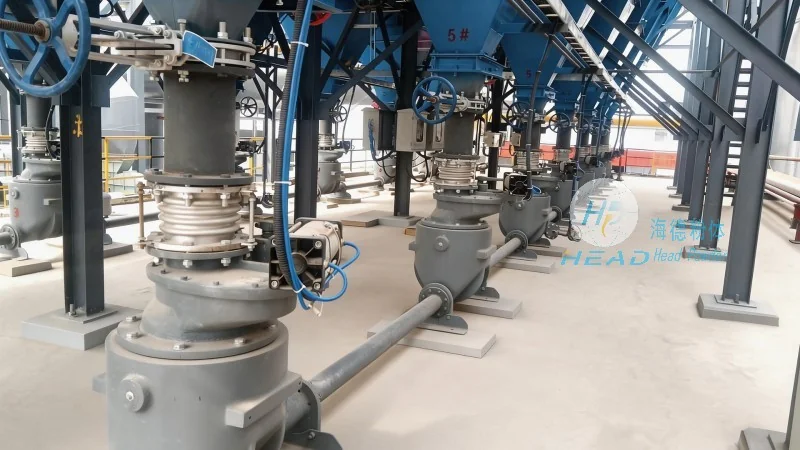
What is Magnesia Pneumatic Conveying?
Magnesia pneumatic conveying is a process that uses compressed air or other gas to transport magnesia powder or granules through a pipeline system. Unlike traditional mechanical conveying methods, which rely on belts, buckets, or screws, pneumatic systems utilize air pressure to move material, making them ideal for handling fine powders and granules that are prone to dust and clogging in conventional systems. The process typically involves a hopper, a feeder, a conveying line, and a receiver, all working in tandem to ensure smooth material transfer.
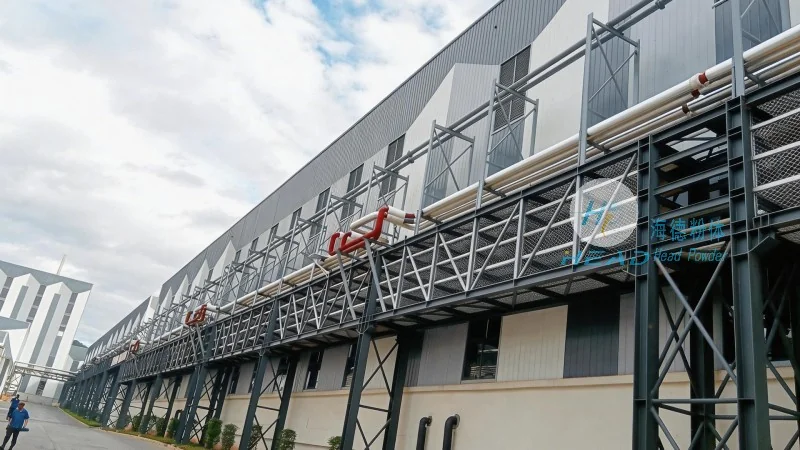
Key Design Principles of Magnesia Pneumatic Conveying
Effective magnesia pneumatic conveying systems are built on several core design principles that ensure optimal performance, material integrity, and operational efficiency. First, the system must be designed to handle the specific physical properties of magnesia, such as its particle size, density, and flowability. This includes selecting appropriate equipment like rotary feeders or vibratory feeders to control the material flow rate and prevent blockages. Second, the air velocity within the conveying line is a critical factor; it must be high enough to keep the material suspended but low enough to avoid excessive wear on the system components. The balance between air pressure and material velocity is crucial for maintaining the material's integrity and preventing degradation.
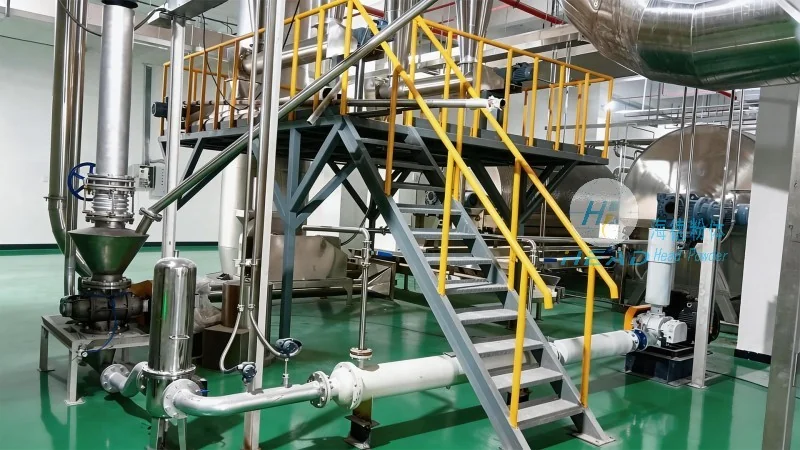
The Role of HeadPowder in Magnesia Pneumatic Conveying Systems
Shandong HeadPowder Engineering Co., Ltd., a leading provider of specialized engineering solutions, plays a vital role in the design and implementation of magnesia pneumatic conveying systems. With a strong focus on material handling and industrial efficiency, HeadPowder leverages advanced engineering techniques to develop customized solutions tailored to the unique needs of magnesia processing facilities. The company's expertise in pneumatic conveying technology, combined with a deep understanding of refractory materials like magnesia, enables them to deliver systems that meet the highest standards of performance and reliability. HeadPowder's approach emphasizes durability, energy efficiency, and minimal maintenance, ensuring that clients can operate their magnesia handling systems with confidence and cost-effectiveness.
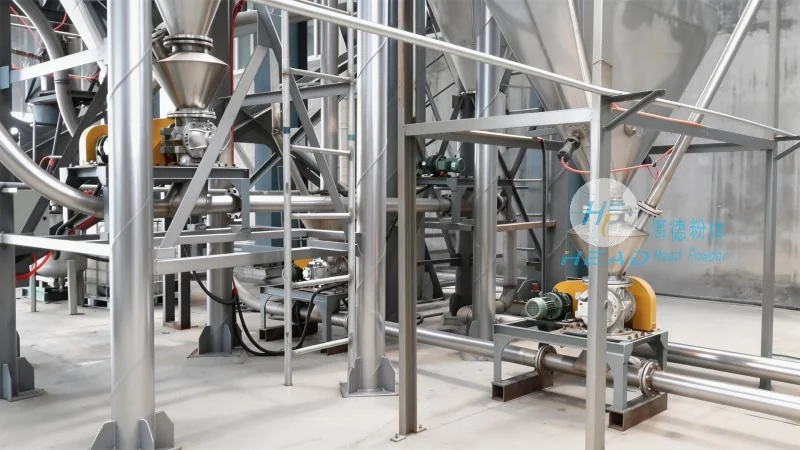
Conclusion
Magnesia pneumatic conveying is a sophisticated and essential technology for industries relying on magnesia as a refractory material. By adhering to key design principles and leveraging the expertise of companies like Shandong HeadPowder Engineering Co., Ltd., industrial facilities can achieve efficient, safe, and reliable material handling. The integration of advanced engineering solutions ensures that magnesia is transported with minimal degradation, supporting the smooth operation of high-temperature processes and contributing to overall industrial productivity.