

What is Salt Air-Lifted Conveying? Understanding Its Design Principles
Salt air-lifted conveying represents a sophisticated approach to material handling, particularly for transporting bulk materials like salt through pneumatic systems. This method leverages the principles of air dynamics to lift and transport granular or powdered materials, offering a reliable and efficient alternative to traditional mechanical conveyors. The technology is widely adopted in industries where the handling of abrasive or corrosive materials is common, such as the salt processing sector. Understanding the fundamentals of salt air-lifted conveying, including its design principles and operational mechanics, is essential for optimizing system performance and ensuring consistent material flow in industrial applications.
Core Components and Their Functions
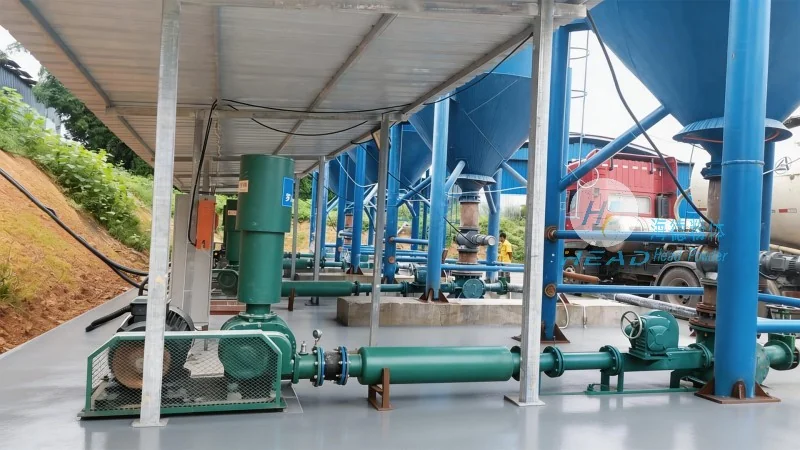
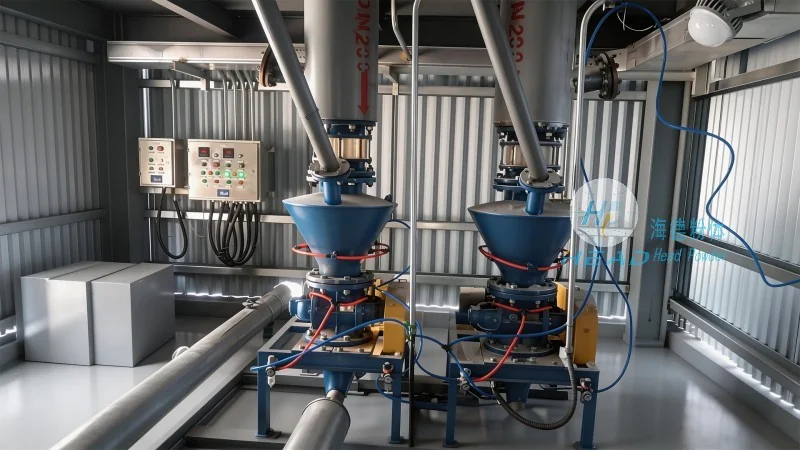
The effectiveness of a salt air-lifted conveying system hinges on its key components, each playing a critical role in the overall operation. The primary components include a hopper or feeder, which stores and meters the salt to maintain a consistent feed rate, preventing blockages and ensuring steady material flow. The venturi or air injection device is another vital component, responsible for generating the necessary airflow and pressure to lift the salt particles. This device creates a low-pressure zone that draws the salt into the air stream, enabling efficient transport through the pipeline. The pipeline itself serves as the conduit for the material and air mixture, with its diameter and length carefully designed to minimize pressure drop and energy consumption. Finally, the receiver or discharge hopper collects the conveyed salt, allowing for smooth downstream processing or storage. Each component must be properly sized and integrated to ensure the system operates at peak efficiency.
Design Principles for Optimal Performance
The design of a salt air-lifted conveying system is guided by several fundamental principles that ensure reliable and efficient operation. One of the most critical principles is the air velocity and pressure requirements, which must be sufficient to overcome the gravitational force acting on the salt particles and any frictional losses within the pipeline. This requires precise calculation of the air flow rate and pressure drop across the system, taking into account factors such as particle size, density, and pipeline length. Another key principle is the consideration of material properties, including the salt's particle size distribution and moisture content, as these factors influence the required air velocity and pressure. Larger or denser particles may necessitate higher air velocities to achieve effective lifting and transport. Additionally, the system design must account for the pipeline diameter and material, as these affect the pressure drop and overall energy consumption. Proper sizing of the pipeline and air injection device is essential to maintain efficient operation and minimize operational costs.
Advantages Over Traditional Conveying Methods
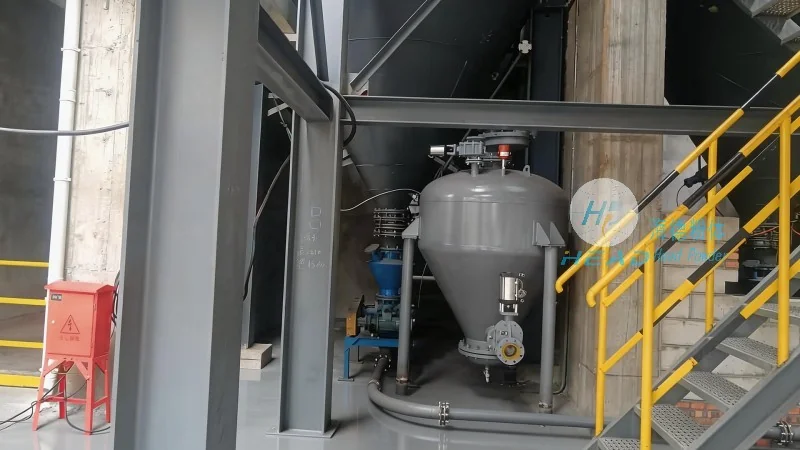
Compared to traditional mechanical conveyors, salt air-lifted conveying offers several distinct advantages that make it a preferred choice in many industrial settings. One of the primary benefits is its ability to handle abrasive or corrosive materials without causing significant wear or damage to the system components. The air-based system reduces the risk of material degradation and equipment failure, extending the service life of the conveying equipment. Another advantage is the reduced maintenance requirements, as there are fewer moving parts compared to mechanical conveyors. This leads to lower maintenance costs and less downtime for repairs or replacements. Furthermore, air-lifted conveying can handle a wide range of particle sizes and shapes, making it versatile for various salt processing operations. The system's flexibility allows for easy integration with other processing equipment, such as crushers or classifiers, enabling a seamless flow of materials through the production line. Additionally, the system can operate in harsh environments, such as those with high humidity or temperature variations, making it suitable for outdoor or remote salt processing sites.