

What is Capsule Pneumatic Conveying? And What Are Its Design Principles?
Capsule pneumatic conveying is a specialized method used in material handling and industrial processes to transport bulk materials through a system of pipes using compressed air. This technology is particularly effective for transporting dry, free-flowing powders and granules over long distances with minimal product degradation. The core of this system relies on a series of flexible, air-tight capsules that move material from the source to the destination, making it an ideal solution for industries such as pharmaceuticals, food processing, and chemical manufacturing.
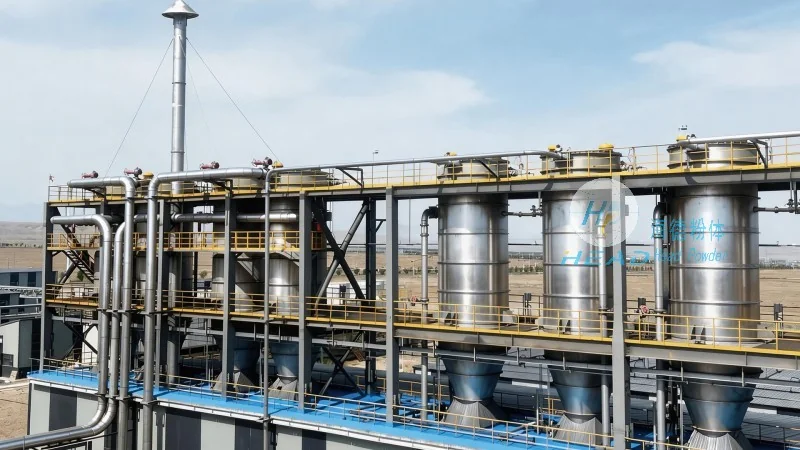
Understanding the Fundamentals of Capsule Pneumatic Conveying
The fundamental principle behind capsule pneumatic conveying is the use of compressed air to create a pressure differential that propels the material through the pipeline. Unlike traditional pneumatic conveying systems that use rigid pipes and high-velocity air, capsule systems utilize flexible, air-tight containers known as "capsules" or "pneumatic carriers." These capsules are typically made from durable materials like polyurethane or rubber, designed to withstand the internal pressure and maintain the integrity of the conveyed material. The process begins when the capsule is filled with the material at the source, often using a hopper or feeder system. Once filled, the capsule is sealed and then propelled through the pipeline by the pressure of the compressed air. As it travels, the capsule expands and contracts, ensuring the material remains contained and moves efficiently. At the destination, the capsule is emptied, and the material is discharged into a receiving hopper or storage container.
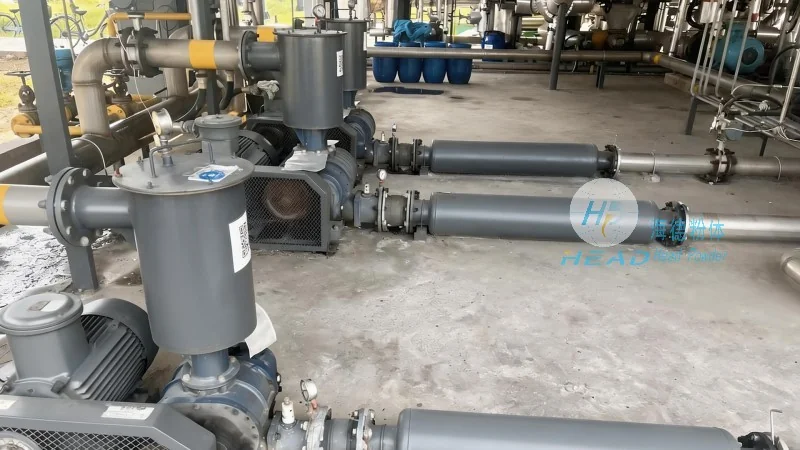
Key Design Principles for Effective Capsule Pneumatic Conveying Systems
Designing an efficient capsule pneumatic conveying system involves several critical principles that ensure optimal performance, reliability, and material handling. First, the selection of the right capsule material is crucial. Materials like polyurethane are preferred for their flexibility, durability, and resistance to abrasion, which is essential for handling abrasive powders. The capsule's dimensions, including its length and diameter, must be carefully calculated to match the volume of material being transported and the pipeline diameter. This ensures that the capsule can move smoothly without causing excessive friction or pressure losses. Second, the air pressure and flow rate are critical parameters. The system must be designed to maintain a consistent pressure, typically ranging from 0.5 to 2 bar, depending on the material's characteristics and the distance to be covered. Proper air flow management is essential to prevent material buildup or blockages in the pipeline. Third, the system layout and pipeline design play a significant role. The pipeline should be laid out to minimize bends and changes in direction, as sharp turns can cause the capsule to lose its shape or damage the material. Additionally, the use of air filters and moisture separators is important to maintain the quality of the compressed air and prevent contamination of the conveyed material. Fourth, the control system is vital for the smooth operation of the capsule conveying system. Modern systems use advanced control technology, such as PLCs (Programmable Logic Controllers), to monitor and adjust the air pressure, flow rate, and capsule movement in real-time. This ensures that the system operates efficiently and can adapt to changes in material feed or process conditions.
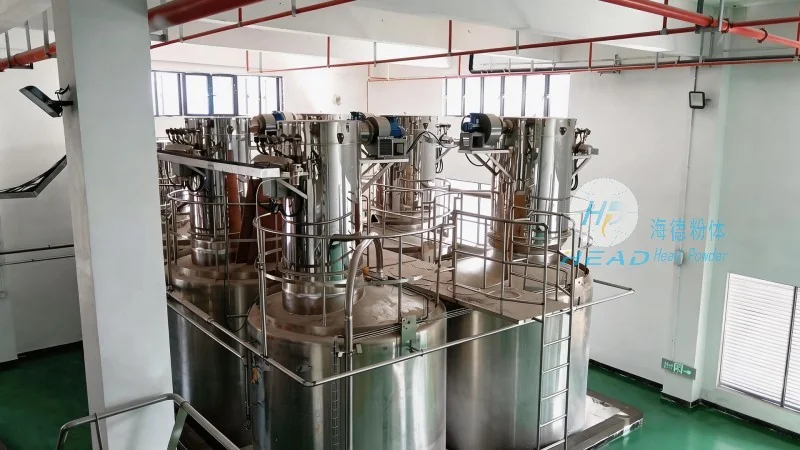
Applications and Benefits of Capsule Pneumatic Conveying
Capsule pneumatic conveying is widely used in various industries due to its unique advantages over traditional conveying methods. In the pharmaceutical industry, for example, it is used to transport sensitive powders and granules without exposing them to external contaminants or moisture. The sealed capsules ensure that the material remains sterile and free from cross-contamination, which is critical for maintaining product quality and compliance with regulatory standards. In the food processing industry, capsule conveying is used to transport ingredients like flour, sugar, and spices, ensuring that the products remain fresh and free from spoilage. The system's ability to handle hygienic materials makes it suitable for food-grade applications. In the chemical industry, capsule conveying is used to transport abrasive and corrosive powders, such as cement and chemicals, without causing wear and tear on the equipment. The flexible capsules protect the material from damage and prevent the buildup of residue on the pipeline walls. The benefits of capsule pneumatic conveying also include reduced maintenance costs, as the system has fewer moving parts compared to traditional systems. The lack of rigid pipes and moving parts reduces the risk of leaks and blockages, leading to lower downtime and maintenance expenses. Additionally, the system is more energy-efficient than other conveying methods, as it uses less compressed air and requires less power to operate. This makes it an environmentally friendly option for industries looking to reduce their carbon footprint.
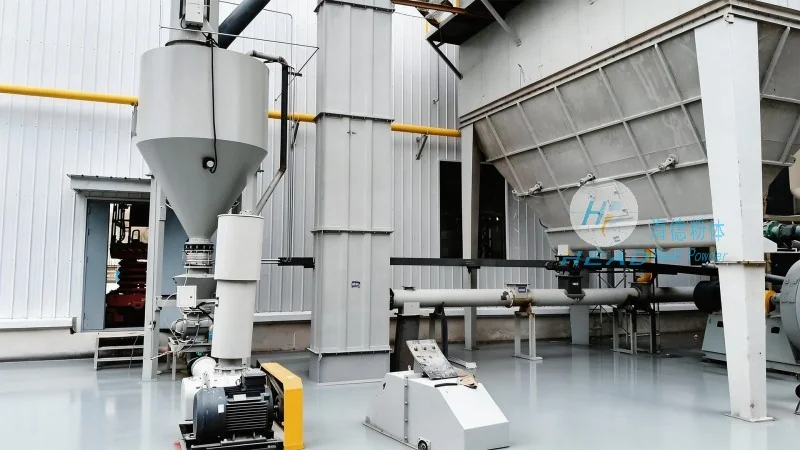
Conclusion and Company Overview
Capsule pneumatic conveying is a sophisticated and efficient method for transporting bulk materials, offering numerous benefits over traditional conveying systems. Its design principles, which focus on flexibility, durability, and precise control, ensure that it can handle a wide range of materials with minimal degradation. The technology is particularly suitable for industries that require high levels of product quality and hygiene, such as pharmaceuticals and food processing. As a leading provider of material handling solutions, Shandong HeadPowder Engineering Co., Ltd. specializes in designing and manufacturing capsule pneumatic conveying systems tailored to the specific needs of various industries. With a commitment to quality and innovation, HeadPowder offers customized solutions that enhance operational efficiency and product integrity. Based in Shandong, China, HeadPowder leverages its expertise and advanced technology to deliver reliable and efficient material handling systems for its global clients. Whether for pharmaceutical, food, or chemical applications, HeadPowder's capsule pneumatic conveying systems provide a cost-effective and sustainable solution for transporting bulk materials with precision and care.