

What is Powdered Yeast Pneumatic Conveying? What Are the Design Principles?
Powdered yeast, a crucial ingredient in the food and beverage industry, requires efficient and reliable transport systems to ensure quality and consistency. Pneumatic conveying has emerged as a preferred method for handling such fine powders due to its ability to minimize product contamination, maintain hygiene standards, and optimize operational efficiency. This article explores the fundamental aspects of powdered yeast pneumatic conveying, focusing on its design principles and the technical considerations that underpin successful implementation.
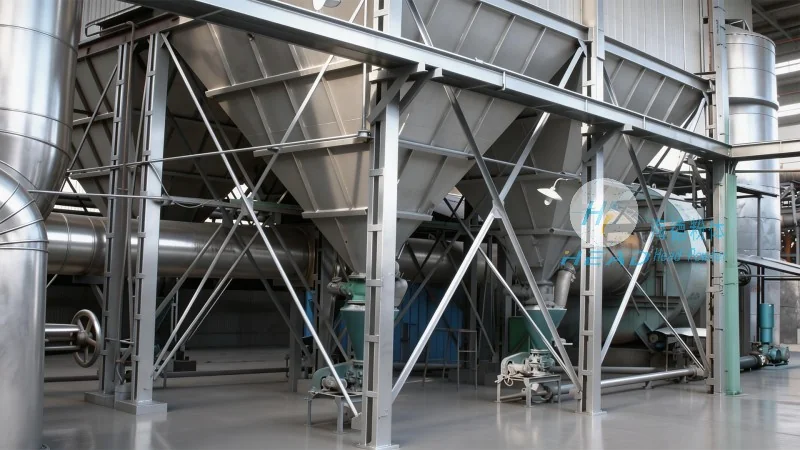
The Importance of Pneumatic Conveying for Powdered Yeast
Powdered yeast, often used in baking, brewing, and other industrial processes, is characterized by its fine particle size and high moisture sensitivity. Traditional conveying methods, such as belt conveyors or bucket elevators, may introduce excessive friction, heat, or contamination, which can compromise the yeast's quality and effectiveness. Pneumatic conveying, by contrast, uses compressed air to transport the powder in a closed system, reducing exposure to external elements and preserving the product's integrity. This method is particularly advantageous for sensitive materials like powdered yeast, where maintaining a sterile and controlled environment is critical.
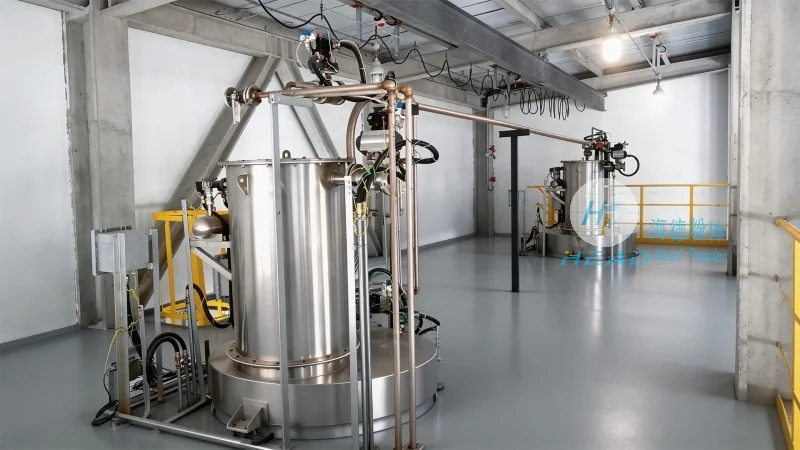
Core Design Principles of Powdered Yeast Pneumatic Conveying Systems
The design of a pneumatic conveying system for powdered yeast involves several key principles that ensure optimal performance and safety. First, the system must be designed to handle the specific physical properties of the yeast, including its particle size distribution, bulk density, and flow characteristics. This requires careful selection of components such as feeders, pipelines, and separation equipment to prevent blockages and ensure smooth material flow. Second, the system must maintain a consistent air pressure and flow rate to avoid overpressurization or underpressurization, which can lead to product degradation or system inefficiencies. Third, the design must incorporate effective dust control measures, as powdered yeast is prone to generating fine particles that can cause health hazards and equipment wear. Finally, the system must adhere to sanitary standards, with materials like stainless steel and food-grade components to prevent contamination and ensure compliance with regulatory requirements.
Components and Technologies in Powdered Yeast Pneumatic Conveying
A typical pneumatic conveying system for powdered yeast consists of several interconnected components, each playing a vital role in the overall operation. The primary components include a hopper or silo for material storage, a feeder to control the flow rate of the yeast, a pipeline system to transport the material, and a receiver or collection unit to deposit the yeast at the destination. The feeder, often a rotary valve or a screw feeder, is critical for maintaining a consistent feed rate, which prevents surges or drops in material flow that could affect downstream processes. The pipeline system, usually made of stainless steel or plastic, must be designed to handle the pressure and temperature requirements of the conveying process, with appropriate bends and fittings to minimize pressure loss and maintain flow efficiency. The receiver, equipped with a dust collection system, ensures that the yeast is deposited in a clean and controlled manner, preventing loss or contamination.
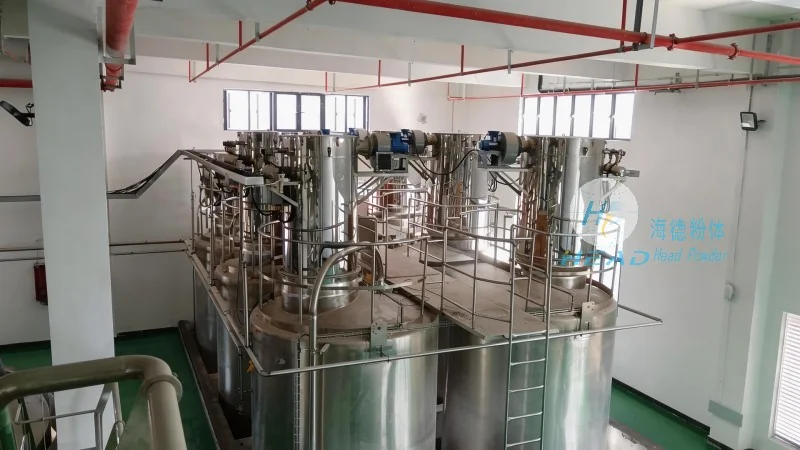
The Role of HeadPowder in Powdered Yeast Pneumatic Conveying Solutions
Shandong HeadPowder Engineering Co., Ltd., a leading provider of engineering solutions for the food and beverage industry, specializes in designing and manufacturing pneumatic conveying systems tailored to the specific needs of powdered yeast applications. With years of experience in the field, HeadPowder has developed a comprehensive range of products and services that address the unique challenges of handling fine powders. The company's expertise lies in understanding the material properties of powdered yeast and translating them into effective system designs that maximize efficiency, minimize downtime, and ensure product quality. HeadPowder's team of engineers and technicians work closely with clients to assess their specific requirements, from material handling capacity to sanitary standards, and provide customized solutions that meet their operational and regulatory needs. The company's commitment to quality and innovation has made it a trusted partner for businesses seeking reliable pneumatic conveying systems for their powdered yeast processing needs.