

What is Expanded Clay Aggregate Pneumatic Conveying? And What Are Its Design Principles?
Expanded clay aggregate pneumatic conveying is a technology used to transport materials like expanded clay aggregates through a pipeline using air as the conveying medium. This method is widely applied in various industrial sectors due to its efficiency and flexibility in material handling. Understanding the fundamental concepts and design principles behind this technology is crucial for optimizing system performance and ensuring reliable operation.
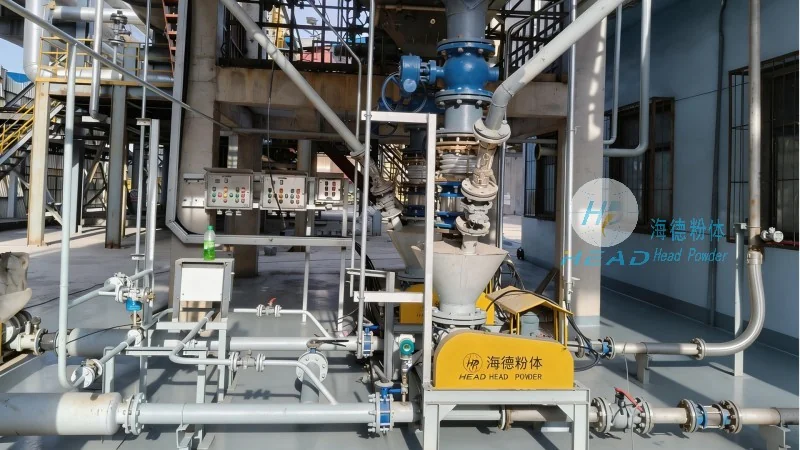
Introduction to Expanded Clay Aggregate Pneumatic Conveying
Expanded clay aggregate, also known as lightweight aggregate, is a type of granular material produced by heating clay or shale at high temperatures. It is characterized by its high porosity, low density, and excellent thermal insulation properties. In industrial applications, these aggregates are often used as raw materials or additives in construction, agriculture, and environmental remediation projects. Pneumatic conveying, which involves transporting particles through a pipeline with compressed air, offers a non-contact and continuous method for moving these materials from one location to another.
Key Design Principles of Pneumatic Conveying Systems
The design of a pneumatic conveying system for expanded clay aggregates involves several critical principles to ensure efficient and reliable operation. First, the system must be designed to handle the specific physical properties of the material, such as particle size, density, and flowability. The choice of conveying velocity and pressure is essential to prevent particle segregation, blockages, and excessive wear on system components. Additionally, the system layout, including the number and placement of feeders, bends, and receivers, must be optimized to minimize pressure drops and energy consumption.
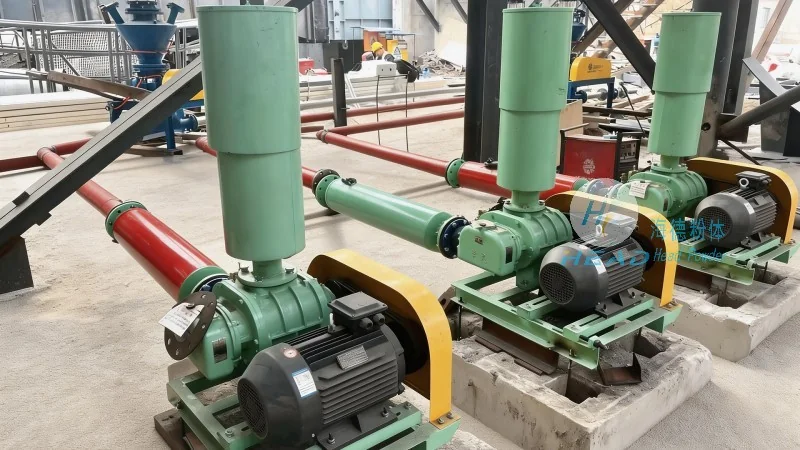
Components and Their Functions in Pneumatic Conveying
A typical pneumatic conveying system consists of several key components, each playing a vital role in the overall operation. The feed hopper is used to store and feed the expanded clay aggregates into the system. It often includes a rotary valve or a screw feeder to control the material flow rate. The conveying pipeline is the main channel through which the material and air travel. The diameter and length of the pipeline are critical factors that affect the system's performance. The air compressor provides the necessary pressure and airflow to move the material. The receiver is where the material is deposited after being conveyed. In some systems, a separator may be included to separate the material from the air before it is discharged.
Factors Influencing System Performance and Efficiency
Several factors influence the performance and efficiency of a pneumatic conveying system for expanded clay aggregates. The particle size distribution of the material is a key factor; larger particles may require higher conveying velocities to prevent settling or blockages. The air-to-material ratio (the ratio of air volume to material volume) is another critical parameter. An optimal ratio ensures that the material is fully suspended and conveyed without excessive air consumption. The system pressure and velocity must be balanced to achieve the desired throughput while minimizing energy costs. Additionally, the pipeline layout, including the number and angle of bends, affects the pressure drop and overall system efficiency.
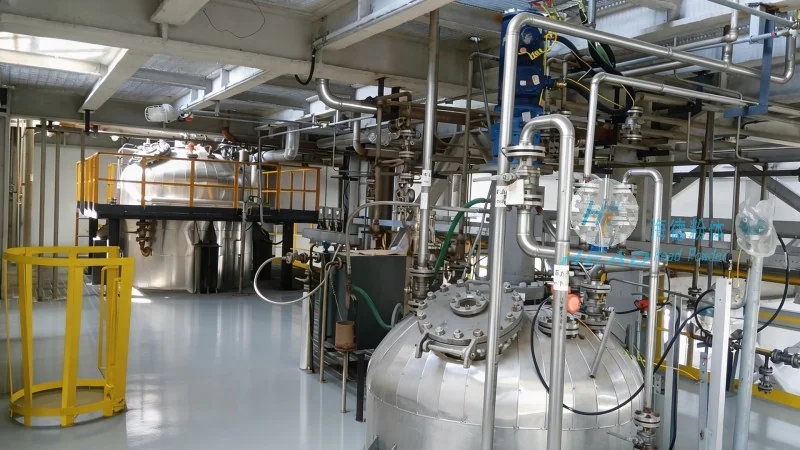
Applications and Benefits of Pneumatic Conveying in Industrial Settings
Expanded clay aggregate pneumatic conveying systems are widely used in various industrial applications. In the construction industry, these systems are used to transport aggregates for concrete production, providing a clean and efficient method of material handling. In agricultural applications, they are used to move soil amendments or fertilizers, improving the efficiency of farm operations. In environmental remediation projects, pneumatic conveying is used to transport contaminated soil or waste materials to treatment facilities. The benefits of this technology include reduced labor costs, improved safety (as there is no direct contact with the material), and increased throughput compared to traditional methods like belt conveyors or bucket elevators.
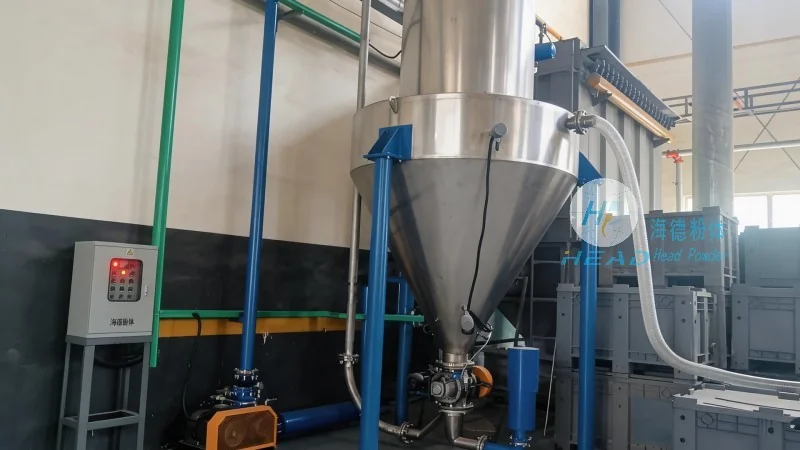
Considerations for System Design and Installation
When designing and installing a pneumatic conveying system for expanded clay aggregates, several considerations must be taken into account. The site conditions and space availability are important factors, as the system layout must fit within the existing facility. The material properties must be thoroughly evaluated to ensure that the system components are suitable for the specific application. For example, if the material is abrasive, the pipeline and components must be made of materials that can withstand wear and tear. The maintenance requirements of the system must also be considered, as regular maintenance is essential to ensure long-term reliability. Additionally, the cost-effectiveness of the system must be evaluated, including the initial investment and operating costs.
Conclusion: Optimizing Pneumatic Conveying for Expanded Clay Aggregates
Expanded clay aggregate pneumatic conveying is a versatile and efficient technology for transporting materials in industrial settings. By understanding the key design principles and components of the system, engineers and operators can optimize performance, reduce costs, and ensure reliable operation. The technology offers significant advantages over traditional material handling methods, including improved safety, reduced labor costs, and increased throughput. As the demand for efficient material handling solutions continues to grow, pneumatic conveying systems will remain a critical component in the processing and distribution of expanded clay aggregates.