

What is Stone Gas Pneumatic Conveying? What are the Design Principles?
For industrial applications involving the transport of bulk materials like stone, gas pneumatic conveying systems offer an efficient and flexible solution. This method utilizes pressurized air or other gases to move particulate materials through a pipeline network. Understanding the fundamentals of stone gas pneumatic conveying, including its design principles, is crucial for optimizing material handling processes in various industries. HeadPowder, a leading provider of engineering solutions, specializes in designing and implementing such systems to meet the diverse needs of its clients.
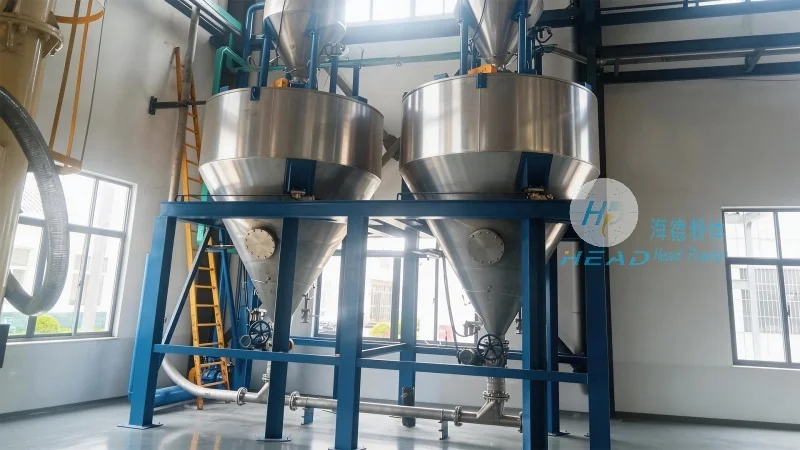
Understanding Stone Gas Pneumatic Conveying
Stone gas pneumatic conveying is a technology used to transport solid particulate materials, such as crushed stone, gravel, or other mineral powders, through a pipeline using a gas stream. Unlike mechanical conveying systems that rely on physical components like belts or buckets, pneumatic systems use air pressure to propel the material. This approach is particularly advantageous for materials that are abrasive, dusty, or require minimal contact with equipment, as it reduces wear and contamination risks.
Key Design Principles of Stone Gas Pneumatic Conveying Systems
The design of a stone gas pneumatic conveying system involves several critical principles to ensure efficient and reliable operation. These principles include the selection of appropriate gas velocities, the configuration of the pipeline network, and the incorporation of necessary components like feeders, filters, and receivers. Each component plays a vital role in maintaining the system's performance and longevity.
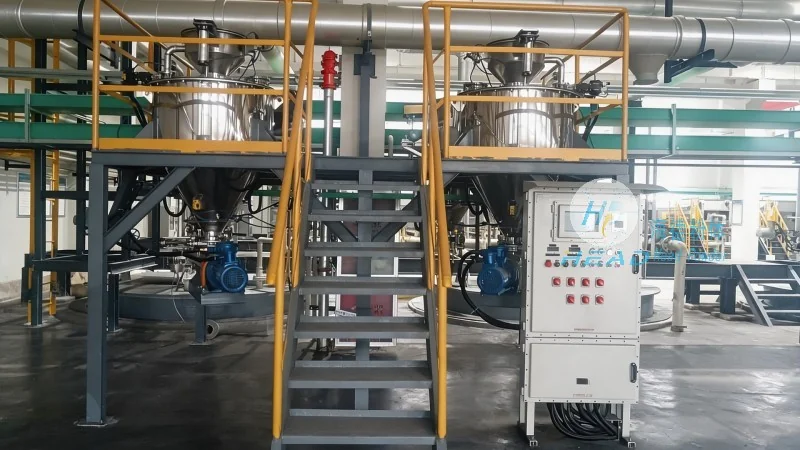
Gas Velocity and Material Flow
One of the most important design considerations is the gas velocity within the pipeline. The velocity must be sufficient to overcome the gravitational forces acting on the material particles and to maintain a stable flow. Typically, the minimum gas velocity is determined by the material's properties, such as particle size, density, and shape. For stone materials, higher gas velocities may be required to prevent clogging and ensure smooth transport. The design must also account for the pressure drop along the pipeline, which affects the overall system efficiency and energy consumption.
Pipeline Network Configuration
The layout of the pipeline network is another critical design aspect. The system may include straight sections, bends, and vertical or horizontal runs, depending on the material's destination. Properly designed bends and elbows are essential to minimize pressure losses and prevent material deposition. The use of smooth, corrosion-resistant materials for the pipeline, such as stainless steel or PVC, is recommended to ensure durability and prevent material buildup.
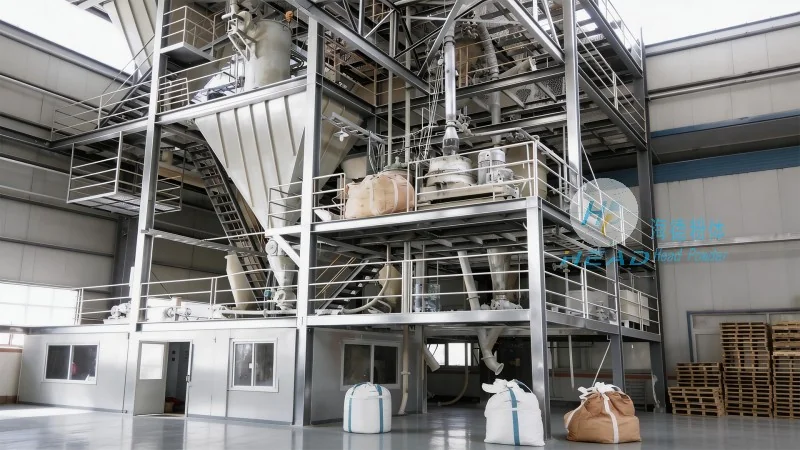
Feeder and Material Handling Components
The feeder is a key component that introduces the material into the conveying system. For stone materials, screw feeders or rotary valves are commonly used to provide a consistent flow rate. The feeder must be designed to handle the material's characteristics, such as its abrasiveness and bulk density, to avoid wear and ensure reliable operation. Additionally, the system may include a filter or dust collector to capture any airborne particles and maintain air quality.
Receiver and Discharge System
The receiver is the terminal point of the conveying system where the material is deposited. It is typically designed as a hopper or bin with a discharge valve to control the material release. The receiver must be sized appropriately to accommodate the material volume and prevent overflow. The discharge system may include a rotary valve or a gate valve to regulate the material flow to the final destination.
Energy Efficiency and System Optimization
Designing an energy-efficient stone gas pneumatic conveying system involves balancing the required gas velocity with the system's pressure drop. By optimizing the pipeline diameter and length, and selecting the appropriate gas type, the system can achieve lower energy consumption while maintaining the desired material flow rate. Regular maintenance and monitoring of the system's performance are also essential to ensure long-term efficiency and reliability.
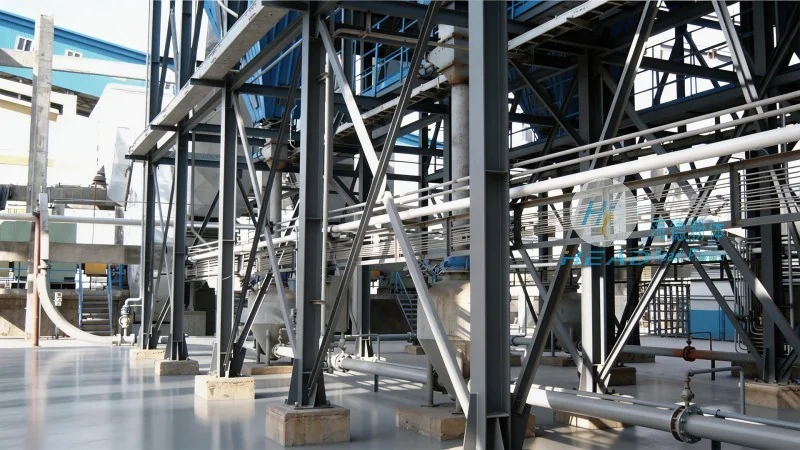
Applications and Industry Use Cases
Stone gas pneumatic conveying systems are widely used in various industries, including mining, construction, and manufacturing. In the mining industry, they are used to transport crushed stone from processing plants to storage facilities or to other processing units. In construction, they are employed to move gravel or sand for concrete production or road construction. The flexibility of pneumatic systems allows them to be adapted to different material types and application requirements, making them a versatile solution for bulk material handling.
Conclusion
Stone gas pneumatic conveying is a sophisticated technology that leverages the principles of fluid dynamics to transport bulk materials efficiently. By understanding and applying the key design principles, such as appropriate gas velocity, pipeline configuration, and component selection, industrial operations can achieve reliable and cost-effective material handling solutions. HeadPowder, with its expertise in engineering and material handling, continues to provide innovative solutions for bulk material transport, ensuring optimal performance and longevity for its clients.